



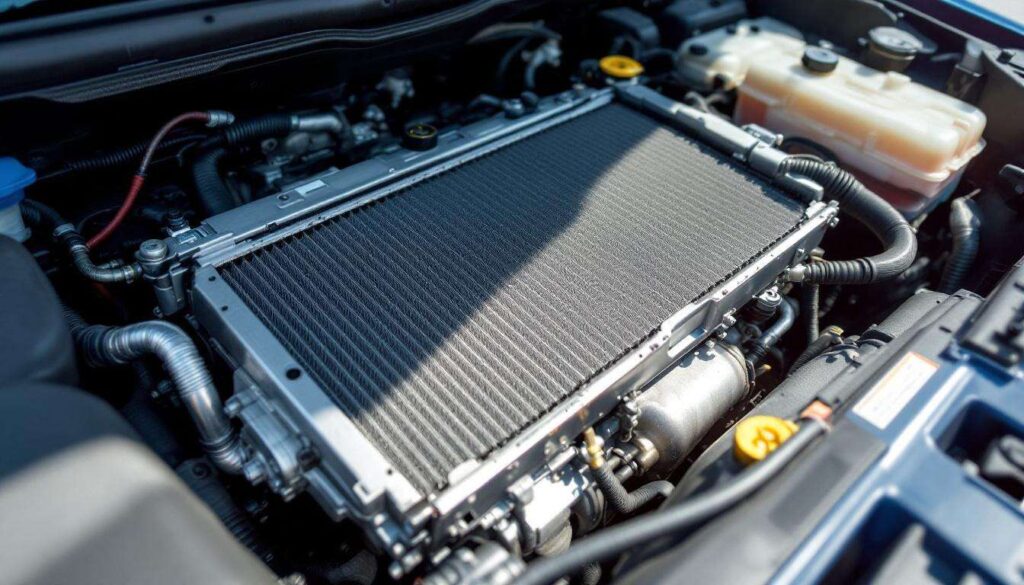
Every car owner dreads the moment when their engine starts to overheat, and more often than not, the culprit lies hidden within the radiator. Sludge accumulation represents one of the most insidious threats to your vehicle’s cooling system, silently building up over time until it restricts coolant flow and compromises engine performance. Understanding how this contamination develops and implementing preventative measures can save you from costly repairs and potential engine failure. The cooling system works tirelessly to regulate engine temperature, but without proper maintenance, it becomes vulnerable to deposits that transform vital fluids into thick, destructive paste.
What is sludge in the radiator ?
Composition and formation of radiator sludge
Radiator sludge is a thick, gel-like substance that forms when coolant degrades and combines with various contaminants circulating through the cooling system. This unwanted material typically appears as a brownish or rust-coloured paste that clings to internal surfaces of the radiator, hoses, and engine passages. The substance consists of several components:
- Oxidised coolant particles that have broken down due to heat exposure
- Rust and corrosion from metal components within the system
- Scale deposits from minerals in tap water used to top up coolant
- Oil contamination from head gasket leaks or transmission fluid cross-contamination
- Combustion by-products that enter through compromised seals
How sludge differs from normal coolant
Fresh coolant maintains a bright, translucent appearance with vibrant colour—typically green, orange, or pink depending on the formulation. It flows freely and contains specific additives designed to prevent corrosion, lubricate water pump seals, and maintain stable freezing and boiling points. Sludge, by contrast, exhibits a murky, opaque consistency that restricts flow through narrow passages. When you examine contaminated coolant, you’ll notice it has lost its original colour and may contain visible particles or sediment. The transformation from protective fluid to damaging sludge occurs gradually as thermal cycles, chemical reactions, and contamination take their toll.
Understanding these fundamental characteristics helps you recognise when your cooling system requires attention, which naturally leads to examining what actually causes this problematic buildup.
The causes of radiator clogging
Neglected coolant replacement schedules
The primary cause of sludge formation stems from failing to replace coolant at appropriate intervals. Even products marketed as “long life” or “extended life” coolant eventually degrade when subjected to repeated heating and cooling cycles. The protective additives within the fluid become depleted over time, leaving the system vulnerable to corrosion and deposit formation. Older vehicles typically require coolant changes every 60,000 miles or two years, whilst newer models may extend this interval to 100,000 miles or five years. However, these are general guidelines—your specific vehicle may have different requirements.
Contamination from external sources
Various contaminants can infiltrate the cooling system and accelerate sludge development. Engine oil represents one of the most common culprits, entering through deteriorated head gaskets or cracked cylinder heads. Transmission fluid can also cross-contaminate the coolant if the radiator contains an integrated transmission cooler with internal leaks. Additionally, using ordinary tap water instead of distilled water or pre-mixed coolant introduces minerals that precipitate out and contribute to scale formation.
Corrosion and chemical breakdown
Metal components within the cooling system naturally corrode over time, especially when coolant additives lose their protective properties. Aluminium radiators and engine blocks are particularly susceptible to oxidation, producing particles that combine with degraded coolant to form sludge. The chemical reactions intensify when different coolant types are mixed, creating incompatible compounds that separate from solution and settle as deposits.
| Cause | Impact Level | Prevention Difficulty |
|---|---|---|
| Overdue coolant changes | High | Easy |
| Oil contamination | Severe | Moderate |
| Tap water usage | Moderate | Easy |
| Mixed coolant types | Moderate | Easy |
Recognising these causes helps prevent sludge formation, but equally important is detecting when accumulation has already begun affecting your system.
The signs of a clogged radiator
Engine temperature irregularities
The most obvious indicator of radiator clogging manifests as abnormal engine temperature readings. Your temperature gauge may climb higher than normal during routine driving, particularly in traffic or when climbing hills. Some drivers notice the engine runs hotter than usual even during cold weather when overheating would seem unlikely. Conversely, you might experience difficulty reaching normal operating temperature, as restricted coolant flow prevents efficient heat transfer throughout the system.
Visual coolant contamination
Inspecting the coolant reservoir provides valuable diagnostic information. Healthy coolant should appear clear and maintain its original colour intensity. If you observe murky, discoloured fluid with visible particles floating within it, sludge formation has likely begun. Remove the radiator cap when the engine is completely cold and examine the coolant directly—brownish residue clinging to the cap or visible sediment in the radiator opening confirms contamination.
Heating system performance issues
Your vehicle’s cabin heater relies on hot coolant circulating through a small radiator behind the dashboard. When sludge restricts coolant flow, the heater produces less warmth than expected or delivers inconsistent temperatures. You might notice the heater works adequately at motorway speeds but struggles during city driving, indicating flow restrictions that only high engine speeds can partially overcome.
Physical symptoms of restricted flow
- Coolant leaks appearing at hose connections due to increased system pressure
- Unusual gurgling or bubbling sounds from the radiator or overflow tank
- Sweet smell indicating coolant burning on hot engine components
- Steam emerging from under the bonnet during or after driving
- Illuminated temperature warning light on the dashboard
These warning signs demand immediate attention, and addressing them effectively requires understanding the critical role that proper coolant selection plays in prevention.
The importance of using the right coolant
Coolant chemistry and compatibility
Modern vehicles require specific coolant formulations engineered for their particular engine materials and design characteristics. Traditional green coolants use inorganic additive technology suitable for older vehicles with cast iron components. Organic acid technology coolants, typically orange or pink, provide extended protection for aluminium engines and offer longer service intervals. Hybrid formulations combine both technologies, whilst some manufacturers specify proprietary blends designed exclusively for their vehicles.
Consequences of incorrect coolant selection
Using the wrong coolant type accelerates sludge formation through chemical incompatibility. When different coolant technologies mix, their additives can react negatively, forming precipitates that settle as deposits. Silicate-based coolants mixed with organic formulations often produce gel-like substances that clog narrow passages. Additionally, incorrect coolant may fail to provide adequate corrosion protection for specific metals in your engine, leading to accelerated component degradation and contamination.
Concentration ratios and dilution
Coolant concentration significantly affects both protection and performance. A proper 50/50 mixture of coolant and distilled water provides optimal freezing protection to approximately -37°C whilst maintaining effective heat transfer properties. Excessive concentration actually reduces cooling efficiency and can promote deposit formation, whilst insufficient coolant allows corrosion and offers inadequate freeze protection. Pre-mixed coolants eliminate dilution guesswork but cost more per litre than concentrated formulations.
| Coolant Type | Typical Colour | Service Life | Best Application |
|---|---|---|---|
| Inorganic Additive (IAT) | Green | 2-3 years | Older vehicles |
| Organic Acid (OAT) | Orange/Pink | 5 years | Modern aluminium engines |
| Hybrid (HOAT) | Yellow/Green | 5 years | European vehicles |
Selecting appropriate coolant prevents sludge formation, but when contamination has already occurred, thorough cleaning becomes necessary to restore system function.
How to clean a clogged radiator
Assessment and preparation
Before attempting radiator cleaning, evaluate the contamination severity. Minor discolouration may respond to simple flushing, whilst heavy sludge accumulation requires more aggressive treatment. Ensure the engine is completely cold before beginning work to avoid burns from pressurised coolant. Gather necessary supplies including a drain pan, fresh coolant, distilled water, and potentially a chemical flushing agent designed for cooling systems.
Basic flushing procedure
The fundamental cleaning process involves draining contaminated coolant, introducing fresh water or flushing solution, circulating it through the system, then draining again. Locate the radiator drain plug at the bottom of the radiator and position your drain pan beneath it. Remove the radiator cap to allow air entry, then open the drain and allow complete drainage. For thorough cleaning, also drain the engine block if accessible drain plugs exist. Close all drains, fill the system with distilled water or flushing solution, run the engine until it reaches operating temperature, then drain again. Repeat this process until discharged water runs clear.
Chemical flushing agents
Purpose-formulated radiator flush products contain detergents and mild acids that dissolve stubborn deposits more effectively than water alone. Follow product instructions carefully regarding dilution ratios and circulation time. Some formulations require only 10-15 minutes of engine operation, whilst others work best when left in the system for several hours or overnight. After using chemical cleaners, perform additional water flushes to remove all residue before introducing fresh coolant.
Professional intervention requirements
- Severe blockages unresponsive to chemical flushing
- Radiator cores with collapsed or damaged internal passages
- Systems requiring reverse-flow flushing equipment
- Situations where component removal provides better access
- Cases involving head gasket failure requiring concurrent repairs
Whilst cleaning addresses existing contamination, establishing proper maintenance routines ensures sludge doesn’t return to plague your cooling system.
Maintaining your radiator to prevent clogs
Scheduled coolant replacement
Adhering to manufacturer-recommended coolant change intervals represents the most effective prevention strategy. Consult your owner’s manual for specific guidance, as requirements vary considerably between makes and models. Record coolant changes in your maintenance log to track service history accurately. When replacement time arrives, drain the system completely rather than simply topping up, as this removes accumulated contaminants that dilution cannot address.
Regular visual inspections
Monthly coolant checks take mere minutes but provide early warning of developing problems. Examine the overflow reservoir when the engine is cold, verifying the level falls within marked ranges and the fluid maintains proper colour and clarity. Look for oily films on the coolant surface indicating head gasket issues, or rust-coloured sediment suggesting corrosion. Inspect hoses for soft spots, cracks, or swelling that might introduce air or allow leaks.
System pressure testing
Annual pressure tests identify leaks before they cause overheating or allow air entry that promotes corrosion. Professional technicians use specialised equipment to pressurise the cooling system whilst monitoring for pressure drops indicating leaks. This diagnostic procedure also tests the radiator cap’s ability to maintain proper pressure, as faulty caps allow coolant to boil at lower temperatures and potentially introduce air.
Preventative best practices
- Use only distilled or deionised water when diluting concentrated coolant
- Never mix different coolant types or colours without verifying compatibility
- Address minor leaks promptly before they introduce air or lose excessive coolant
- Keep the radiator exterior clean to maintain efficient heat dissipation
- Monitor temperature gauge readings to detect abnormalities early
- Consider coolant analysis services that identify contamination before visible symptoms appear
Implementing these maintenance practices creates a comprehensive approach to cooling system care that prevents sludge formation and extends component life.
Protecting your radiator from sludge accumulation requires understanding what causes contamination, recognising warning signs, and maintaining disciplined service schedules. The combination of appropriate coolant selection, timely replacement, and regular inspections creates a defence against the deposits that threaten engine health. Whilst cleaning procedures can restore function to contaminated systems, prevention through proper maintenance proves far more economical and less disruptive than addressing failures after they occur. Your cooling system works continuously under demanding conditions, and providing it with quality fluids and attentive care ensures reliable performance for years to come.