



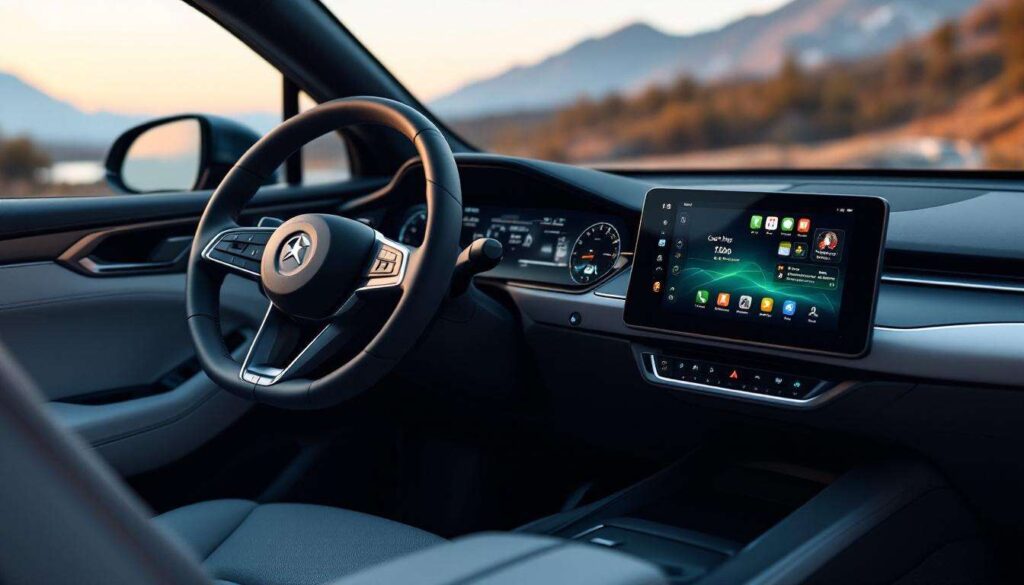
Apple CarPlay has transformed how drivers interact with their vehicles, seamlessly integrating smartphones into the dashboard experience. Yet recent announcements from several major automotive manufacturers suggest a surprising shift away from this widely adopted technology. General Motors, for instance, has publicly stated its intention to phase out CarPlay support in future electric vehicle models, whilst other manufacturers are exploring proprietary alternatives. This unexpected reversal raises questions about the future of in-car connectivity and what it means for drivers who have grown accustomed to the convenience of Apple’s platform.
Introduction to Apple CarPlay: a revolution in progress
The emergence of smartphone integration in vehicles
Apple CarPlay launched in 2014 as a groundbreaking solution to the persistent problem of outdated and clunky in-car infotainment systems. The platform allowed iPhone users to project a simplified version of their device’s interface onto the vehicle’s display, providing access to navigation, music, messaging, and phone calls through a familiar and intuitive interface. This innovation addressed a critical pain point: drivers no longer needed to navigate confusing manufacturer-specific systems or struggle with outdated software that rarely received updates.
Widespread adoption across the automotive industry
The technology quickly gained traction, with manufacturers recognising the value of offering customers what they genuinely wanted. By 2023, CarPlay was available in over 800 vehicle models from dozens of manufacturers worldwide. The appeal was straightforward:
- Consistent user experience across different vehicle brands
- Regular software updates through iOS releases
- Access to the entire Apple ecosystem of apps and services
- Voice control through Siri integration
- Seamless connectivity without complex setup procedures
This universal acceptance seemed to cement CarPlay’s position as an essential feature in modern vehicles, making the recent pullback all the more surprising.
Understanding why manufacturers are reconsidering this popular feature requires examining the complex business and technical factors at play.
The reasons behind the decline in CarPlay integration
Control over the customer experience and data
Automotive manufacturers have become increasingly aware that surrendering the dashboard interface to Apple means relinquishing control over valuable customer data and interaction points. When drivers use CarPlay, manufacturers lose visibility into how customers use their vehicles, what destinations they visit, and what services they prefer. This information represents significant commercial value for developing future products, targeting services, and understanding customer behaviour patterns.
Revenue opportunities from proprietary systems
The financial implications extend beyond data collection. Manufacturers see potential revenue streams through:
- Subscription services for advanced navigation features
- In-car app stores with revenue-sharing arrangements
- Advertising opportunities within proprietary interfaces
- Premium connectivity packages
- Integration with brand-specific services and ecosystems
General Motors has been particularly vocal about this strategy, arguing that their Ultifi platform will enable new business models and recurring revenue opportunities that simply aren’t possible when Apple controls the interface.
Technical integration challenges with next-generation vehicles
Modern electric vehicles represent a fundamental reimagining of automotive architecture. These vehicles feature deeply integrated software systems that control everything from battery management to autonomous driving features. Manufacturers argue that CarPlay’s limited integration capabilities prevent them from creating truly cohesive experiences that leverage the full potential of their hardware. The upcoming generation of vehicles requires software that can communicate with every vehicle system, something third-party platforms weren’t originally designed to accommodate.
These motivations reveal a complex calculation that balances customer satisfaction against long-term strategic interests.
Advantages and disadvantages for automotive manufacturers
Strategic benefits of proprietary systems
Developing in-house infotainment platforms offers manufacturers several compelling advantages beyond immediate revenue opportunities. Brand differentiation becomes possible when each manufacturer can create a unique digital experience that reflects their values and design philosophy. Tesla has demonstrated this approach successfully, building a devoted customer base partly through its distinctive interface that eschews both CarPlay and Android Auto.
| Advantage | Impact |
|---|---|
| Data ownership | Complete visibility into customer behaviour and preferences |
| Revenue generation | Subscription services and app store commissions |
| Deep integration | Seamless connection with vehicle systems and features |
| Brand identity | Distinctive user experience aligned with company values |
Significant risks and challenges
However, abandoning CarPlay carries substantial risks that could undermine these potential benefits. Consumer research consistently shows that CarPlay availability influences purchasing decisions, with some surveys indicating that up to 79% of American car buyers consider smartphone integration essential. Manufacturers who remove this feature risk alienating a significant portion of their potential customer base, particularly amongst younger, tech-savvy buyers who have grown accustomed to seamless connectivity.
Additionally, developing and maintaining a competitive infotainment system requires ongoing investment in software development, a discipline that traditional automotive companies have historically struggled with. The automotive industry’s track record with proprietary systems has been mixed at best, with many previous attempts resulting in frustrating user experiences, infrequent updates, and limited app ecosystems.
These competing pressures create a challenging environment where manufacturers must carefully weigh immediate customer satisfaction against long-term strategic positioning.
Consequences for consumers and their habits
Changes to the daily driving experience
For drivers accustomed to CarPlay’s convenience, losing this functionality represents a significant disruption to established routines. The seamless transition from using a phone outside the vehicle to continuing the same experience inside has become second nature for millions of users. Navigation apps like Google Maps or Waze, music services such as Spotify, and messaging platforms all work identically across devices, eliminating the learning curve associated with new systems.
Adaptation challenges and learning curves
Proprietary systems typically require users to:
- Learn entirely new interface conventions and navigation patterns
- Adapt to different voice command systems with varying capabilities
- Accept limited app availability compared to smartphone ecosystems
- Manage separate accounts and subscriptions for vehicle services
- Tolerate slower update cycles for bug fixes and new features
This friction in the user experience may prove particularly problematic for households with multiple vehicles from different manufacturers, forcing drivers to constantly switch between different systems and interfaces.
Impact on resale value and long-term satisfaction
The absence of CarPlay could potentially affect vehicle resale values, as used car buyers increasingly prioritise connectivity features. Furthermore, as smartphone operating systems evolve, vehicles without CarPlay may feel outdated more quickly, even if their mechanical components remain perfectly functional. This technological obsolescence represents a genuine concern for consumers making significant financial investments in new vehicles.
These consumer-facing challenges highlight the delicate balance manufacturers must strike between innovation and meeting established expectations.
Alternatives and future trends in the automotive industry
Emerging proprietary platforms
Several manufacturers are investing heavily in next-generation infotainment systems designed to compete with CarPlay’s functionality whilst offering deeper vehicle integration. General Motors’ Ultifi platform, Mercedes-Benz’s MBUX system, and Volkswagen’s ID software represent ambitious attempts to create compelling alternatives. These systems promise features that CarPlay cannot currently offer, such as integration with vehicle settings, battery management displays, and advanced driver assistance system controls.
Android Automotive as a middle ground
Google’s Android Automotive OS (distinct from Android Auto) presents an interesting alternative approach that several manufacturers have embraced. Unlike CarPlay, which projects content from a phone, Android Automotive is a complete operating system built into the vehicle. This allows for:
- Deep integration with vehicle hardware and systems
- Access to Google’s app ecosystem and services
- Over-the-air updates managed by the manufacturer
- Customisation opportunities whilst maintaining familiar interfaces
- Reduced dependence on smartphone connectivity
Volvo, Polestar, and General Motors have adopted this approach, suggesting it may represent a viable compromise between proprietary control and consumer expectations.
The potential for hybrid solutions
Some manufacturers are exploring hybrid approaches that maintain CarPlay compatibility whilst developing their own enhanced systems. BMW, for instance, continues supporting CarPlay whilst investing in its own Operating System 8 platform. This strategy allows customers to choose their preferred interface whilst giving the manufacturer opportunities to demonstrate the value of their proprietary features. Such flexibility may prove most appealing to consumers who value choice and aren’t forced into a single ecosystem.
These varied approaches suggest the automotive industry is still experimenting with the optimal balance between openness and control.
Impact on the connected digital ecosystem
Fragmentation of the digital experience
The movement away from CarPlay contributes to broader fragmentation in the connected device ecosystem that consumers have come to expect. Modern digital life relies on seamless transitions between devices—starting a task on a smartphone, continuing on a tablet, and finishing on a computer. Vehicles equipped with CarPlay fit naturally into this ecosystem, but proprietary systems create isolated islands that don’t communicate effectively with other devices and services.
Implications for app developers and service providers
Application developers face increased complexity when automotive manufacturers pursue divergent strategies. Rather than developing for two primary platforms (CarPlay and Android Auto), developers must now consider multiple proprietary systems, each with different technical requirements, approval processes, and market reach. This fragmentation may discourage smaller developers from creating automotive-specific applications, potentially limiting innovation and consumer choice.
Long-term ecosystem evolution
The tension between open platforms and proprietary systems will likely shape the future of connected vehicles for years to come. As vehicles become increasingly software-defined, the question of who controls the digital experience becomes more critical. Whether the industry converges on common standards or continues fragmenting into competing ecosystems will significantly impact how consumers interact with their vehicles and integrate them into their broader digital lives.
The automotive industry faces a pivotal moment where decisions about connectivity and integration will have lasting consequences. Manufacturers removing CarPlay are betting that proprietary systems can deliver superior experiences whilst generating new revenue streams. However, this strategy carries risks, particularly if consumers resist abandoning the familiar convenience of smartphone integration. The coming years will reveal whether this shift represents forward-thinking innovation or a miscalculation of consumer priorities. What remains certain is that the relationship between vehicles and smartphones continues evolving, with significant implications for how we experience transportation in an increasingly connected world.