


Driving technology has evolved considerably over the decades, offering motorists a range of transmission options to suit different preferences and driving styles. Among these innovations, the semi-automatic transmission represents a compelling middle ground between traditional manual gearboxes and fully automatic systems. This technology combines driver engagement with modern convenience, delivering a unique experience that appeals to those seeking greater control without the constant need for clutch operation. Understanding how this system operates reveals the sophisticated engineering behind what many consider the best of both worlds in automotive transmission design.
Understanding the principle of semi-automatic transmission
The fundamental concept behind semi-automatic systems
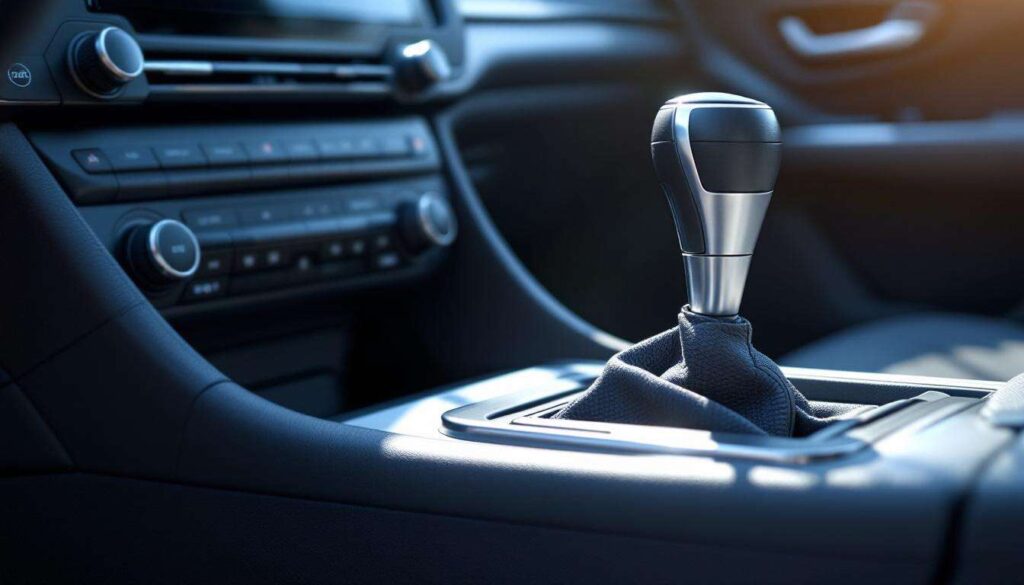
A semi-automatic transmission operates on the principle of automated clutch engagement whilst retaining manual gear selection. Unlike conventional manual transmissions where drivers must coordinate clutch pedal depression with gear lever movement, semi-automatic systems eliminate the clutch pedal entirely. The driver selects gears using either paddle shifters, a sequential lever, or buttons, whilst electronic actuators and hydraulic systems manage clutch operation automatically. This hybrid approach preserves the driver’s ability to choose appropriate gears for different driving conditions whilst removing the mechanical complexity of clutch control.
Electronic control units and their role
The heart of any semi-automatic transmission lies in its electronic control unit (ECU), which monitors various parameters to execute seamless gear changes. This sophisticated computer processes information from multiple sensors that track:
- engine speed and load
- vehicle velocity
- throttle position
- driver input signals
- transmission fluid temperature
By analysing these data points in real-time, the ECU determines the optimal moment to engage or disengage the clutch, ensuring smooth transitions between gears. The system’s intelligence adapts to driving patterns, making adjustments that balance performance with mechanical preservation.
Actuator mechanisms in semi-automatic transmissions
The physical execution of gear changes depends on electro-hydraulic or electromechanical actuators that replace human clutch operation. These components receive commands from the ECU and perform the precise movements required to disengage the clutch, shift gears, and re-engage the clutch. Modern systems achieve shift times measured in milliseconds, far exceeding human capability whilst maintaining consistency across thousands of gear changes. This mechanical precision contributes significantly to both performance and transmission longevity.
Having established the foundational principles, it becomes essential to examine how semi-automatic transmissions compare to their fully manual and automatic counterparts.
The differences between automatic, manual, and semi-automatic transmission
Manual transmission characteristics
Traditional manual transmissions require complete driver involvement in both gear selection and clutch operation. The driver physically moves a gear lever through an H-pattern or sequential gate whilst simultaneously depressing a clutch pedal to disconnect the engine from the transmission. This system offers maximum control over vehicle behaviour but demands constant attention and coordination, particularly in congested traffic conditions. Manual gearboxes typically feature simpler mechanical construction with fewer electronic components, often resulting in lower maintenance costs and enhanced reliability.
Automatic transmission operation
In contrast, fully automatic transmissions handle all aspects of gear selection and clutch engagement without driver input. These systems utilise torque converters or dual-clutch arrangements combined with planetary gear sets to provide seamless acceleration across the entire speed range. The driver simply selects drive mode and controls vehicle speed through accelerator and brake pedals. Modern automatics incorporate sophisticated programming that adapts to driving conditions, though they traditionally sacrifice some driver engagement and may exhibit slight delays in response to throttle inputs.
Comparative analysis of transmission types
| Feature | Manual | Semi-Automatic | Automatic |
|---|---|---|---|
| Clutch pedal | Required | Absent | Absent |
| Gear selection | Driver controlled | Driver controlled | System controlled |
| Driver engagement | High | Moderate to high | Low |
| Complexity | Low | Moderate | High |
| Shift speed | Variable | Very fast | Fast |
The semi-automatic transmission occupies a distinctive position, offering driver-controlled gear selection without clutch pedal operation, thereby bridging the gap between manual engagement and automatic convenience.
These distinguishing characteristics translate into tangible benefits that make semi-automatic transmissions attractive for specific applications and driver preferences.
The advantages of a semi-automatic transmission
Enhanced driving experience and control
Semi-automatic transmissions provide superior driver engagement compared to traditional automatics whilst eliminating the physical demands of manual clutch operation. Drivers retain the ability to select optimal gears for overtaking, engine braking, or spirited driving, enhancing the connection between driver and machine. This control proves particularly valuable when navigating challenging terrain, towing heavy loads, or executing performance driving techniques. The immediate response to gear change requests creates a more dynamic and rewarding driving experience.
Improved efficiency and performance
By eliminating torque converter losses common in traditional automatics, semi-automatic systems often deliver better fuel economy and more direct power delivery. The rapid shift times achievable through electronic actuation minimise interruptions in power flow, resulting in faster acceleration and improved performance metrics. Additionally, the system’s ability to hold gears longer than a typical automatic allows drivers to maximise engine potential when desired, whilst intelligent programming ensures efficient operation during normal driving.
Reduced driver fatigue in urban environments
The absence of a clutch pedal significantly reduces physical strain during stop-and-go traffic situations. Drivers who regularly navigate congested urban areas particularly appreciate this benefit, as it eliminates the repetitive leg movements required by manual transmissions. This convenience factor makes semi-automatic transmissions especially appealing for those who desire manual control without the associated physical demands, particularly during lengthy commutes or extended driving periods.
Accessibility for diverse drivers
Semi-automatic transmissions expand driving opportunities for individuals who may struggle with traditional manual coordination requirements. Those with certain physical limitations, older drivers experiencing reduced mobility, or learners developing driving skills can all benefit from the simplified operation whilst maintaining greater involvement than fully automatic systems provide. This accessibility advantage broadens the appeal of performance-oriented vehicles equipped with such transmissions.
Understanding these advantages provides context for examining the intricate mechanical and electronic processes that enable semi-automatic transmission functionality.
Detailed functioning of a semi-automatic transmission
The gear change initiation process
When a driver requests a gear change through paddle shifters or a sequential lever, the input signal travels immediately to the transmission control module. This electronic brain evaluates current operating conditions, including engine revolutions, vehicle speed, and throttle position, to determine whether the requested change is appropriate and safe. If conditions permit, the module initiates a precisely choreographed sequence of events designed to execute the gear change with minimal disruption to power delivery or vehicle stability.
Clutch disengagement and gear selection
The first mechanical action involves clutch disengagement through hydraulic or electromechanical actuators. These components apply precise pressure to the clutch mechanism, separating the engine from the gearbox. Simultaneously, the system may adjust engine speed through momentary throttle intervention to match rotational velocities between gear sets, a process known as rev-matching. Once the clutch fully disengages, additional actuators manipulate selector mechanisms within the gearbox to move synchroniser sleeves and engage the target gear. The entire process occurs within fractions of a second.
Clutch re-engagement and power restoration
After the new gear engages, the system carefully re-engages the clutch through controlled actuator movement. The rate of engagement varies based on driving conditions and selected mode, with aggressive settings prioritising speed whilst comfort modes emphasise smoothness. Advanced systems modulate clutch pressure progressively, preventing harsh engagement that could cause drivetrain shock or wheel slip. Throughout this process, the ECU continuously monitors sensor feedback to make real-time adjustments, ensuring optimal performance regardless of variables such as gradient, load, or road surface conditions.
Adaptive learning capabilities
Modern semi-automatic transmissions incorporate adaptive algorithms that learn driver behaviour patterns over time. The system recognises whether the operator prefers sporty or economical driving styles and adjusts shift parameters accordingly. This intelligent adaptation extends to recognising specific driving scenarios, such as mountain descents or motorway cruising, and optimising gear selection strategies for each situation. Some advanced implementations even account for clutch wear, automatically adjusting engagement parameters to maintain consistent performance throughout the transmission’s service life.
Whilst the technology delivers impressive performance, proper maintenance remains crucial for ensuring long-term reliability and optimal function.
Maintenance and durability of a semi-automatic transmission
Regular service requirements
Semi-automatic transmissions require periodic maintenance to sustain performance and longevity. Transmission fluid changes typically occur at intervals ranging from 30,000 to 60,000 miles, depending on manufacturer specifications and driving conditions. This fluid serves multiple critical functions, including lubrication, hydraulic actuation, and heat dissipation. Neglecting fluid changes can result in degraded shift quality, increased wear on mechanical components, and eventual system failure. Additionally, clutch assemblies experience gradual wear and may require replacement between 60,000 and 100,000 miles, though driving style significantly influences this lifespan.
Common wear points and potential issues
Several components within semi-automatic systems are subject to progressive deterioration through normal operation:
- clutch friction materials that gradually thin with each engagement cycle
- hydraulic actuators that may develop seal leaks over time
- electronic sensors that can fail or provide inaccurate readings
- synchroniser rings within the gearbox that wear during gear changes
- transmission control module software that may require updates
Recognising early warning signs such as delayed gear engagement, unusual noises during shifts, or warning lights can prevent minor issues from escalating into expensive repairs. Many systems incorporate diagnostic capabilities that store fault codes, enabling technicians to identify problems quickly and accurately.
Durability compared to other transmission types
When properly maintained, semi-automatic transmissions demonstrate comparable longevity to conventional manual gearboxes, often exceeding 150,000 miles before requiring major overhaul. However, the additional electronic and hydraulic components introduce potential failure points absent in simpler manual designs. Conversely, the automated nature of clutch operation typically results in more consistent engagement than human operators achieve, potentially extending clutch life when compared to poorly operated manual transmissions. The overall reliability depends heavily on manufacturing quality, with premium implementations generally outperforming budget alternatives.
These maintenance considerations inform decisions about where semi-automatic transmissions prove most beneficial in practical applications.
Common applications of semi-automatic transmission
Performance and sports vehicles
Semi-automatic transmissions have become increasingly prevalent in high-performance automobiles where rapid gear changes directly impact acceleration times and lap performance. Manufacturers such as Ferrari, Lamborghini, and Porsche have extensively deployed these systems in their sports car ranges, with shift times often under 100 milliseconds. The technology allows drivers to maintain focus on steering and braking whilst executing perfectly timed gear changes, particularly valuable during competitive driving or track sessions. This application capitalises on the system’s ability to deliver maximum performance without the potential for missed shifts or clutch abuse.
Commercial and utility vehicles
Many commercial vehicle manufacturers have adopted semi-automatic technology to reduce driver fatigue and improve operational efficiency. Heavy goods vehicles, buses, and delivery vans benefit from automated clutch operation during frequent stops whilst retaining manual control for challenging situations such as steep gradients or slippery surfaces. Fleet operators report reduced maintenance costs compared to fully automatic transmissions and appreciate the fuel efficiency advantages over torque converter-equipped alternatives. The technology proves particularly valuable in urban delivery applications where constant gear changes would otherwise cause significant driver strain.
Motorcycles and two-wheeled vehicles
The motorcycle industry has embraced semi-automatic transmissions as a solution for riders seeking simplified operation without sacrificing control. Systems such as Honda’s DCT (Dual Clutch Transmission) and various quickshifter implementations allow riders to change gears without clutch lever operation, enhancing safety by keeping both hands on the handlebars. This application appeals to touring riders, commuters, and those with physical limitations that make traditional clutch operation challenging. The seamless shifting also benefits performance-oriented riders who can maintain full throttle during upshifts.
Adaptive mobility solutions
Semi-automatic transmissions serve an important role in adaptive vehicle conversions for drivers with disabilities. The elimination of clutch pedal operation, combined with retained gear selection control, provides an accessible driving solution that maintains greater engagement than fully automatic alternatives. This application demonstrates the technology’s versatility in addressing diverse mobility requirements whilst preserving driving independence and satisfaction.
Semi-automatic transmissions represent a sophisticated synthesis of manual control and automated convenience, offering tangible benefits across diverse applications. The technology eliminates clutch pedal operation whilst preserving driver-initiated gear selection, creating a unique driving experience that appeals to enthusiasts and practical users alike. Through electronic control systems and precision actuators, these transmissions deliver rapid, consistent gear changes that enhance both performance and efficiency. Proper maintenance ensures longevity comparable to traditional manual gearboxes, whilst the system’s adaptability makes it suitable for everything from high-performance sports cars to commercial vehicles and adaptive mobility solutions. As automotive technology continues evolving, semi-automatic transmissions occupy an enduring niche for those seeking the optimal balance between engagement and ease of operation.