

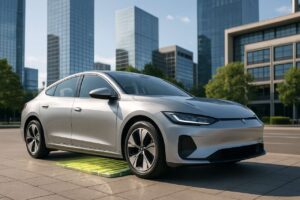

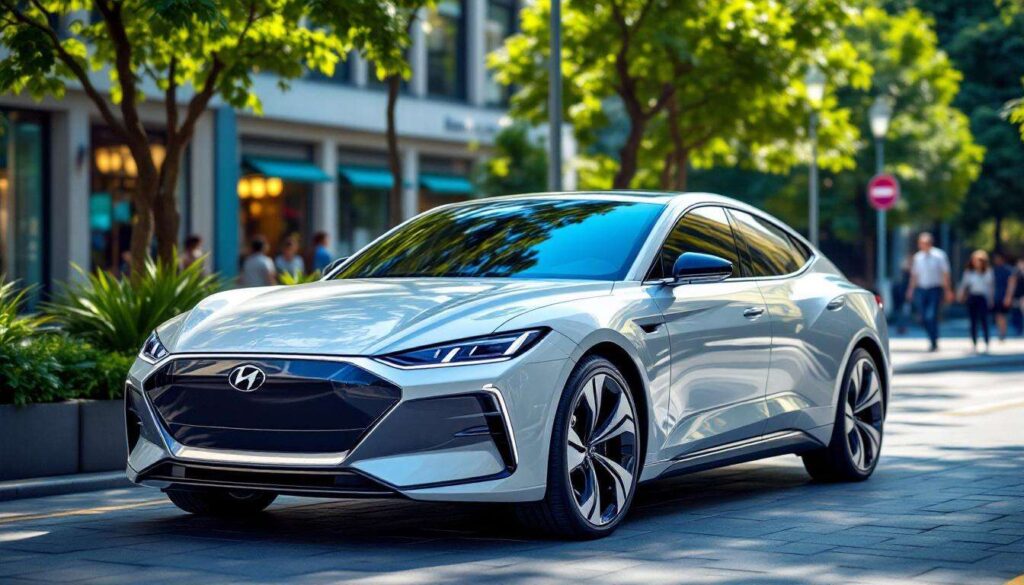
The automotive market has undergone a significant transformation with the emergence of hybrid vehicles, positioning themselves as a bridge between traditional combustion engines and fully electric models. As drivers increasingly seek alternatives to conventional petrol and diesel cars, hybrids have captured considerable attention, promising reduced emissions and improved fuel efficiency. However, the question remains whether these vehicles truly represent a smart compromise or merely a transitional solution with hidden drawbacks. Understanding the practical implications of hybrid ownership requires examining multiple factors, from environmental impact to long-term financial considerations.
Why choose a hybrid car ?
The dual-power advantage
Hybrid vehicles combine an internal combustion engine with an electric motor, offering flexibility that neither traditional nor fully electric vehicles can match. This dual-power system allows drivers to benefit from electric propulsion during low-speed urban driving whilst relying on the petrol engine for longer journeys. The seamless transition between power sources eliminates range anxiety, a common concern with fully electric vehicles, whilst still providing environmental benefits.
Practical considerations for modern drivers
Several compelling reasons make hybrids attractive to contemporary motorists:
- No need for extensive charging infrastructure or home charging installation
- Reduced dependence on petrol stations compared to conventional vehicles
- Regenerative braking systems that recover energy during deceleration
- Lower emissions in congested urban environments
- Exemptions or reductions in certain congestion charges and road taxes
The plug-in hybrid variant offers even greater flexibility, allowing owners to charge the battery externally for extended electric-only range, typically between 30 and 50 miles. This capability makes them particularly suitable for daily commutes whilst maintaining the security of a combustion engine for longer trips.
These practical advantages have positioned hybrids as an accessible entry point for drivers considering a move away from traditional combustion engines, though the financial and environmental credentials require closer examination.
The environmental benefits of hybrids
Emissions reduction in real-world conditions
Hybrid vehicles deliver measurable reductions in carbon dioxide emissions compared to their conventional counterparts. In urban driving conditions, where the electric motor handles much of the workload, hybrids can reduce CO2 emissions by 30 to 40 per cent. This improvement stems from the electric motor’s ability to power the vehicle during stop-start traffic, eliminating the inefficiency of idling combustion engines.
| Vehicle Type | Average CO2 Emissions (g/km) | Urban Emissions Reduction |
|---|---|---|
| Conventional Petrol | 140-160 | Baseline |
| Hybrid | 90-110 | 30-40% |
| Plug-in Hybrid | 30-50 | Up to 70% |
Limitations and contextual factors
Whilst hybrids offer environmental advantages, their ecological credentials depend heavily on usage patterns. Motorway driving at sustained high speeds diminishes the benefits, as the combustion engine bears most of the load. Furthermore, the manufacturing process for hybrid batteries carries an environmental cost, requiring rare earth minerals and energy-intensive production methods.
Plug-in hybrids face particular scrutiny, as studies suggest many owners rarely charge them, effectively driving petrol cars with additional weight from unused batteries. The environmental benefit materialises only when owners actively utilise the electric capability through regular charging.
Understanding these environmental nuances provides essential context for evaluating the financial implications of hybrid ownership.
Cost comparison: hybrid vs combustion
Initial purchase price considerations
Hybrid vehicles typically command a premium of £3,000 to £8,000 over equivalent conventional models. This initial cost difference represents a significant barrier for many buyers, requiring careful calculation of potential savings to justify the investment. The premium varies considerably depending on the manufacturer, model, and whether the hybrid system is a mild hybrid, full hybrid, or plug-in variant.
Running costs and potential savings
The financial equation becomes more favourable when examining ongoing expenses:
- Fuel consumption reductions of 20-40% in mixed driving conditions
- Lower road tax bands due to reduced emissions
- Reduced brake wear thanks to regenerative braking systems
- Potential exemptions from congestion charges in certain cities
- Higher resale values compared to conventional vehicles
A typical hybrid owner covering 12,000 miles annually might save £400 to £600 on fuel costs alone, depending on driving patterns and fuel prices. However, recouping the initial premium typically requires five to seven years of ownership, making hybrids more suitable for long-term owners rather than those who change vehicles frequently.
| Cost Factor | Conventional | Hybrid | Annual Difference |
|---|---|---|---|
| Fuel (12,000 miles) | £1,500 | £1,000 | -£500 |
| Road Tax | £180 | £140 | -£40 |
| Insurance | £650 | £680 | +£30 |
Beyond the financial calculations, the practical impact on daily fuel consumption deserves detailed attention.
Impact of hybrids on fuel economy
Real-world efficiency gains
Hybrid vehicles achieve their most impressive fuel economy figures in urban environments, where frequent acceleration and deceleration allow the electric motor to operate at its most efficient. Drivers regularly report achieving 55 to 65 miles per gallon in city driving, compared to 35 to 45 mpg from conventional equivalents. This represents a substantial improvement that translates directly into reduced fuel costs and fewer visits to petrol stations.
Driving conditions that maximise efficiency
Several factors influence the fuel economy benefits of hybrid ownership:
- Short journeys with frequent stops favour hybrid efficiency
- Moderate speeds between 30 and 50 mph optimise electric motor usage
- Gentle acceleration maximises regenerative braking benefits
- Motorway cruising at 70 mph reduces hybrid advantages significantly
- Cold weather impacts battery performance and overall efficiency
Plug-in hybrids offer the potential for zero fuel consumption on short journeys when operating in electric-only mode, provided owners maintain regular charging habits. A daily commute of 25 miles could theoretically require no petrol at all, though this depends entirely on charging discipline and battery capacity.
Whilst fuel economy represents an operational consideration, the long-term reliability and maintenance requirements present equally important factors for prospective buyers.
The maintenance and durability of a hybrid car
Service requirements and costs
Hybrid vehicles require similar routine maintenance to conventional cars, including oil changes, filter replacements, and brake inspections. However, the regenerative braking system significantly reduces brake wear, often extending brake pad life by two to three times compared to traditional vehicles. This reduction in wear components can offset some of the initial purchase premium over the vehicle’s lifetime.
The dual-power system introduces additional components that require specialist knowledge:
- High-voltage battery systems requiring trained technicians
- Electric motor maintenance and diagnostics
- Power control units and inverters
- Cooling systems for both engine and battery
- Software updates for hybrid system management
Battery longevity concerns
The hybrid battery represents the most significant durability concern for potential buyers. Manufacturers typically offer warranties of eight years or 100,000 miles on hybrid battery systems, reflecting confidence in their longevity. Real-world evidence suggests that properly maintained hybrid batteries often exceed these warranties, with many vehicles surpassing 150,000 miles without battery replacement.
Battery degradation occurs gradually, typically resulting in a 10-20% capacity reduction over ten years rather than sudden failure. Replacement costs, whilst substantial at £1,000 to £3,000, have decreased as the technology matures and the second-hand market for refurbished batteries develops.
Armed with knowledge about maintenance and durability, prospective buyers can apply specific criteria to make informed purchasing decisions.
Criteria for an informed hybrid car purchase
Assessing personal driving patterns
The suitability of a hybrid vehicle depends fundamentally on individual usage patterns. Drivers who predominantly travel short urban distances will maximise the benefits, whilst those regularly covering long motorway journeys may find the advantages diminish. Honest evaluation of typical daily mileage, journey types, and access to charging infrastructure for plug-in variants provides the foundation for a sound decision.
Key factors for consideration
Prospective hybrid buyers should evaluate multiple aspects before committing:
- Annual mileage and typical journey lengths
- Availability of home charging for plug-in variants
- Local incentives, including congestion charge exemptions
- Intended ownership duration to recoup initial premium
- Availability of manufacturer-trained service centres locally
- Resale values and market demand for used hybrids
- Boot space compromises due to battery placement
Choosing between hybrid variants
The market offers three distinct hybrid types, each suited to different requirements. Mild hybrids provide modest fuel savings with minimal additional cost, whilst full hybrids offer substantial efficiency gains without charging requirements. Plug-in hybrids deliver the greatest potential savings but demand charging discipline and typically command the highest purchase premium.
| Hybrid Type | Electric Range | Purchase Premium | Best For |
|---|---|---|---|
| Mild Hybrid | None | £500-£1,500 | Entry-level efficiency |
| Full Hybrid | 1-2 miles | £3,000-£5,000 | Urban driving |
| Plug-in Hybrid | 30-50 miles | £5,000-£8,000 | Daily charging available |
Hybrid vehicles represent a pragmatic solution for drivers seeking reduced environmental impact without the range limitations of fully electric vehicles. The financial case depends heavily on individual circumstances, with urban drivers covering moderate annual mileage most likely to benefit. Environmental advantages are genuine but contextual, requiring appropriate usage patterns to materialise fully. For buyers willing to commit to long-term ownership and whose driving patterns align with hybrid strengths, these vehicles offer a sensible compromise. However, those covering predominantly motorway miles or unable to recoup the initial premium may find conventional efficient petrol engines or fully electric vehicles more suitable. The key lies in honest assessment of personal requirements rather than following automotive trends.