

The electrification of transport represents one of the most significant shifts in modern mobility, yet the question of how to power millions of electric vehicles remains contentious. As charging infrastructure expands and battery technology improves, attention increasingly turns to the energy sources that will feed this growing demand. Nuclear power, long a divisive topic in energy policy, has re-emerged as a potential solution for providing the consistent, low-carbon electricity required to charge electric cars at scale. This proposition raises important questions about feasibility, sustainability and public acceptance.
Introduction to nuclear power for electric cars
Nuclear energy operates through controlled atomic fission, splitting uranium atoms to generate heat that produces steam, which then drives turbines to create electricity. This process occurs within heavily shielded reactors designed with multiple safety systems. Unlike fossil fuel plants, nuclear facilities produce no direct carbon emissions during operation, making them attractive for climate-conscious energy strategies.
How nuclear electricity reaches electric vehicles
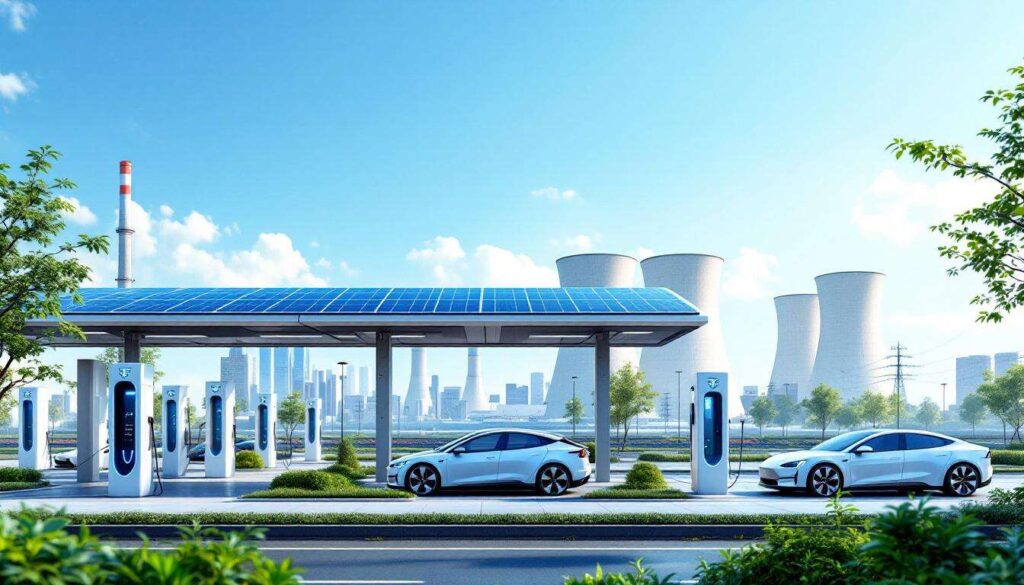
The connection between nuclear plants and electric cars functions through the national grid infrastructure. Nuclear stations feed baseload power into this network, which then distributes electricity to charging points across the country. This relationship involves several key components:
- Nuclear reactors generate continuous electricity output
- Transmission networks carry power to distribution systems
- Charging stations draw from the grid to replenish vehicle batteries
- Smart grid technology optimises energy flow during peak and off-peak periods
The baseload capacity of nuclear power proves particularly valuable for electric vehicle charging, as reactors maintain steady output regardless of weather conditions or time of day. This reliability contrasts with intermittent renewable sources that fluctuate based on environmental factors.
Current nuclear capacity supporting transport electrification
Several nations already rely significantly on nuclear power within their electricity mix. France generates approximately 70% of its electricity from nuclear sources, whilst the United Kingdom maintains around 15% nuclear contribution to the grid. As electric vehicle adoption accelerates, this existing nuclear infrastructure provides immediate capacity to support increased charging demand without constructing new fossil fuel plants.
Understanding this foundation sets the stage for examining why policymakers and energy planners view nuclear power as a strategic asset in the broader energy transition.
Advantages of nuclear power in the energy transition
Nuclear energy offers several compelling benefits when considering the massive electricity requirements of widespread electric vehicle adoption. These advantages extend beyond simple power generation to encompass grid stability and carbon reduction targets.
Carbon-free baseload generation
The primary advantage lies in nuclear power’s ability to provide consistent, carbon-free electricity. Whilst renewable sources like wind and solar contribute valuable clean energy, their intermittent nature creates challenges for grid operators. Nuclear plants deliver:
- Continuous power output 24 hours daily
- Minimal lifecycle carbon emissions compared to fossil fuels
- Independence from weather-related generation fluctuations
- Long operational lifespans exceeding 40 years per facility
This reliability factor becomes crucial as electric vehicle numbers increase. Charging infrastructure requires dependable power sources, particularly for rapid charging stations along motorways that cannot tolerate supply interruptions.
Energy density and land efficiency
| Energy source | Land use per gigawatt | Capacity factor |
|---|---|---|
| Nuclear | 1-4 square kilometres | 90-95% |
| Solar farms | 40-50 square kilometres | 15-25% |
| Wind farms | 30-140 square kilometres | 25-40% |
Nuclear facilities occupy significantly less land whilst producing more consistent output than equivalent renewable installations. This efficiency matters particularly in densely populated regions where available land faces competing demands from housing, agriculture and conservation.
Economic considerations for grid expansion
Expanding nuclear capacity potentially offers cost advantages over building extensive renewable infrastructure with necessary battery storage systems. Modern reactor designs promise lower construction costs and enhanced safety features, though initial capital investment remains substantial. The long operational lifespan of nuclear plants distributes these costs across decades of service.
These advantages position nuclear power as a pragmatic component of the energy mix, yet this technology faces significant opposition and legitimate concerns that warrant careful examination.
Challenges and controversies surrounding nuclear energy
Despite its technical merits, nuclear power encounters substantial resistance from environmental groups, local communities and political movements. These objections stem from historical incidents, waste management concerns and fundamental questions about risk assessment.
Public perception and safety concerns
Major nuclear accidents at Chernobyl, Three Mile Island and Fukushima have profoundly shaped public attitudes towards atomic energy. These incidents, though rare, demonstrated catastrophic potential when safety systems fail. Fear of radiation exposure remains deeply embedded in public consciousness, often overshadowing statistical evidence about nuclear safety records.
Modern reactor designs incorporate passive safety features that function without human intervention or electrical power, yet public trust proves difficult to restore once compromised. This psychological barrier affects planning applications for new facilities and extensions to existing plants.
Radioactive waste management dilemmas
The question of what to do with spent nuclear fuel represents perhaps the most intractable challenge facing the industry. High-level radioactive waste remains hazardous for thousands of years, requiring secure storage solutions that outlast any existing governmental or corporate institution. Current approaches include:
- Temporary on-site storage in cooling pools and dry casks
- Geological repositories deep underground in stable rock formations
- Reprocessing programmes to extract remaining usable fuel
- Research into advanced reactors that consume existing waste
No country has yet implemented a permanent disposal solution that satisfies all stakeholders, leaving this burden for future generations to manage.
Construction costs and project delays
Recent nuclear projects have suffered from significant cost overruns and extended construction timelines. The Hinkley Point C project in Somerset exemplifies these challenges, with projected costs rising substantially since approval. Such financial uncertainties make nuclear investment less attractive compared to rapidly falling costs for renewable technologies.
These legitimate concerns demand acknowledgement, yet a complete assessment requires comparing nuclear power against alternative energy sources proposed for powering electric transport.
Comparison with other green energy sources
Evaluating nuclear power for electric vehicle charging necessitates examining how it measures against other low-carbon alternatives. Each energy source presents distinct advantages and limitations that affect its suitability for supporting transport electrification.
Wind and solar power characteristics
Renewable sources have experienced remarkable growth and cost reductions over the past decade. Wind and solar installations now represent the cheapest forms of new electricity generation in many markets. However, their intermittent nature creates challenges:
- Generation depends on weather conditions and daylight availability
- Peak production often misaligns with peak demand periods
- Large-scale battery storage remains expensive and resource-intensive
- Grid infrastructure requires significant upgrades to manage variable supply
For electric vehicle charging, this intermittency means that backup capacity becomes essential. Without adequate storage or complementary baseload generation, renewable-heavy grids risk supply shortfalls during periods of high charging demand combined with low wind or solar output.
Hydroelectric and geothermal options
Hydroelectric power provides excellent baseload capacity and storage capabilities through pumped hydro facilities. However, suitable sites remain geographically limited, and environmental concerns about river ecosystems constrain expansion. Geothermal energy offers consistent output but proves viable only in specific geological locations.
These geographic constraints prevent hydroelectric and geothermal from serving as universal solutions, though they contribute valuably where conditions permit.
Hybrid approaches and grid integration
| Energy mix scenario | Reliability | Carbon intensity | Infrastructure cost |
|---|---|---|---|
| Nuclear baseload with renewable peaks | High | Very low | High initial, low operational |
| Renewables with battery storage | Moderate | Very low | Moderate but rising |
| Natural gas with renewables | High | Moderate | Moderate |
Most energy experts advocate for diversified portfolios rather than singular solutions. Nuclear power potentially serves as stable foundation alongside variable renewables, with each compensating for the other’s weaknesses. This complementary relationship might offer the most pragmatic path forward.
Beyond generation capacity, the environmental implications of different energy sources merit thorough consideration, particularly regarding nuclear facilities’ broader ecological footprint.
Environmental impact and safety of nuclear plants
Assessing nuclear power’s environmental credentials requires examining impacts beyond carbon emissions, including water usage, thermal pollution, mining operations and accident risks. A comprehensive evaluation reveals both advantages and concerns.
Lifecycle environmental assessment
Nuclear facilities produce minimal greenhouse gas emissions during operation, yet the complete lifecycle involves environmental costs. Uranium mining disturbs landscapes and can contaminate water sources if not properly managed. Plant construction requires substantial concrete and steel, both energy-intensive materials. Decommissioning aged reactors generates significant waste and demands careful environmental remediation.
Despite these factors, lifecycle analyses generally show nuclear power producing fewer total emissions than fossil fuels and comparable or lower emissions than some renewable technologies when accounting for manufacturing and disposal.
Water consumption and thermal effects
Nuclear plants require substantial water for cooling systems, typically drawing from rivers, lakes or coastal areas. This consumption raises concerns during drought conditions when water availability becomes critical. Additionally, thermal discharge from cooling systems can affect aquatic ecosystems by raising water temperatures, potentially harming fish populations and altering local biodiversity.
Modern designs incorporate closed-loop cooling systems that reduce water consumption and thermal pollution, though these modifications increase construction costs.
Safety protocols and risk mitigation
Contemporary nuclear facilities implement multiple redundant safety systems designed to prevent accidents and contain radiation if incidents occur. These measures include:
- Reinforced containment structures capable of withstanding aircraft impacts
- Passive cooling systems functioning without external power
- Automated shutdown mechanisms triggered by abnormal conditions
- Regular safety inspections and stress tests by independent regulators
Statistical analysis indicates that nuclear power causes fewer deaths per unit of energy generated than coal, oil or even some renewable sources when accounting for manufacturing accidents and air pollution health impacts. However, the potential severity of worst-case scenarios continues to fuel public anxiety.
With both benefits and drawbacks examined, attention naturally turns to how nuclear power might evolve to better serve future transportation needs.
Future outlook for electric mobility and nuclear power
The trajectory of electric vehicle adoption and nuclear energy development will likely shape energy policy for decades. Emerging technologies and shifting political priorities suggest several possible scenarios for their intersection.
Advanced reactor technologies
Next-generation nuclear designs promise improvements addressing current limitations. Small modular reactors offer reduced construction costs, enhanced safety features and flexible deployment options. These compact units could be manufactured in factories and transported to sites, potentially accelerating deployment timelines.
Additionally, molten salt reactors and other advanced concepts aim to consume existing nuclear waste whilst generating power, potentially resolving the waste storage dilemma. Though these technologies remain largely developmental, successful implementation could transform nuclear power’s viability.
Integration with smart charging infrastructure
Future electric vehicle charging systems will likely incorporate sophisticated demand management, using artificial intelligence to optimise when vehicles charge based on grid capacity and electricity prices. Nuclear power’s consistent output complements this approach by providing reliable overnight charging capacity when many vehicles sit idle and renewable generation typically decreases.
Vehicle-to-grid technology may eventually allow electric cars to serve as distributed battery storage, helping balance supply and demand fluctuations. This bidirectional capability could enhance grid stability regardless of generation sources.
Policy directions and investment trends
Government policies increasingly recognise nuclear power’s potential role in decarbonisation strategies. Several nations have reversed previous phase-out decisions, whilst others invest in new reactor construction. However, renewable energy continues attracting greater private investment due to lower costs and faster deployment.
The ultimate energy mix will likely reflect regional factors including existing infrastructure, natural resources, public opinion and political priorities. Nuclear power seems positioned to contribute significantly in some markets whilst playing minimal roles elsewhere.
The question of powering electric vehicles with nuclear energy involves complex trade-offs between reliability, environmental impact, safety and economics. Nuclear power offers carbon-free baseload generation that complements intermittent renewables, providing grid stability as transport electrifies. However, concerns about waste management, accident risks and construction costs remain valid. Most credible scenarios suggest diversified energy portfolios rather than single solutions, with nuclear potentially serving as one component alongside expanding renewable capacity. The success of this approach depends on technological advances, regulatory frameworks and public acceptance evolving to address legitimate concerns whilst meeting growing electricity demands from transport and other sectors.