



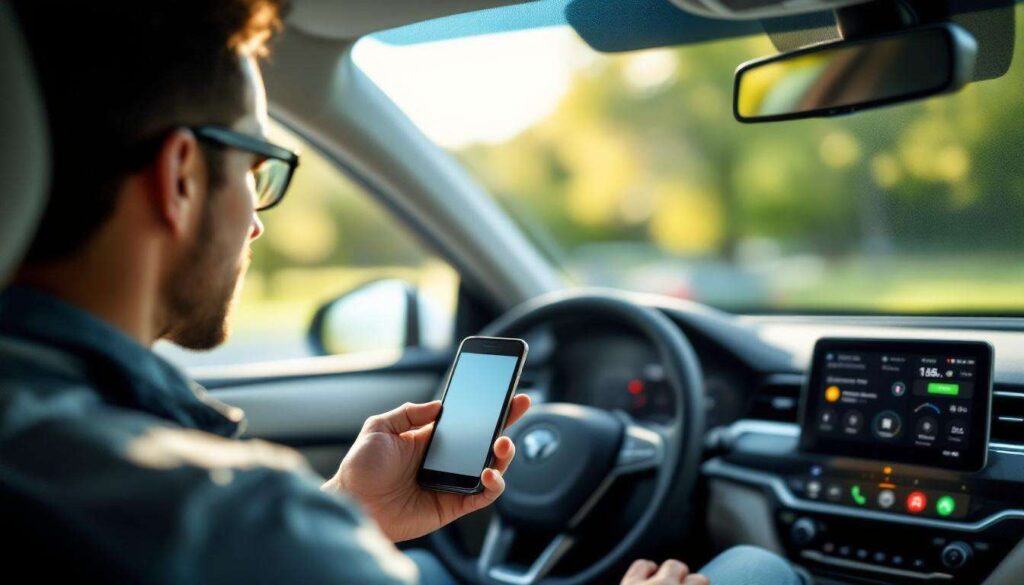
The allure of cutting the cable and embracing wireless technology in our vehicles seemed like the natural progression for Android Auto users. Yet, after extensive real-world testing, the reality has proven far less appealing than the marketing promises suggested. What initially appeared as a convenient upgrade has revealed itself to be a step backwards in reliability, performance, and overall user satisfaction. The decision to abandon wireless Android Auto stems from concrete, daily frustrations that outweigh any perceived benefits of a cable-free experience.
Frequent connectivity issues
Unpredictable connection drops
The most glaring problem with wireless Android Auto remains its inconsistent connection stability. Unlike the dependable plug-and-play nature of wired connections, the wireless variant suffers from regular disconnections that occur without warning or apparent cause. These interruptions happen at the most inconvenient moments, such as during navigation through unfamiliar areas or when following turn-by-turn directions on motorways.
The connection process itself proves frustratingly unreliable. Users frequently encounter scenarios where their device refuses to connect despite being within range and having Bluetooth enabled. The system often requires multiple connection attempts, forcing drivers to pull over safely to troubleshoot rather than focusing on the road ahead.
Environmental interference factors
Wireless connections are particularly susceptible to interference from various sources that don’t affect wired alternatives. The following factors commonly disrupt wireless Android Auto connectivity:
- Electromagnetic interference from other wireless devices in the vehicle
- Physical obstructions between the phone and the head unit
- Competing Bluetooth connections from passengers’ devices
- Signal degradation in areas with dense wireless traffic
- Compatibility conflicts following system updates
These environmental challenges create an unreliable experience that transforms what should be a straightforward connection into a technical obstacle course. The cumulative effect of these interruptions significantly diminishes the driving experience and raises legitimate safety concerns.
Beyond mere inconvenience, these connectivity problems highlight fundamental limitations in the current wireless implementation, setting the stage for additional performance concerns.
Excessive power consumption
Rapid battery depletion
Wireless Android Auto places an extraordinary drain on smartphone batteries that wired connections simply don’t impose. The constant maintenance of both Bluetooth and Wi-Fi connections simultaneously creates a power consumption scenario that can deplete a fully charged device within hours. This becomes particularly problematic during longer journeys where battery preservation is essential.
The following table illustrates the stark difference in battery consumption between wireless and wired connections:
| Connection type | Battery drain per hour | Charging capability |
|---|---|---|
| Wireless Android Auto | 15-25% | None |
| Wired Android Auto | Net positive charge | Simultaneous charging |
The charging paradox
The irony of wireless Android Auto becomes apparent when considering battery management. Whilst the technology eliminates one cable, it necessitates another for charging purposes. Users find themselves needing to connect a charging cable anyway to prevent their device from dying mid-journey, completely negating the wireless convenience factor.
This power consumption issue proves particularly detrimental for those who rely on their smartphones for navigation, communication, and emergency situations after reaching their destination. Arriving with a depleted battery creates unnecessary anxiety and practical limitations.
The battery concerns naturally lead to another physical consequence of wireless connectivity’s demanding nature.
Device overheating
Thermal management challenges
The combination of intensive wireless communication and power consumption generates significant heat within smartphones. Devices running wireless Android Auto frequently become uncomfortably hot to touch, with temperatures rising well beyond normal operating ranges. This thermal stress not only affects immediate performance but also poses long-term risks to device longevity.
Overheating triggers protective mechanisms within smartphones that throttle performance, creating a vicious cycle where the device struggles to maintain the wireless connection whilst simultaneously trying to cool down. This results in degraded functionality precisely when users need reliable performance.
Long-term hardware implications
Repeated exposure to elevated temperatures has documented effects on smartphone components:
- Accelerated battery degradation and reduced capacity
- Potential damage to internal circuitry and processors
- Shortened overall device lifespan
- Increased risk of component failure
- Voided warranties in extreme cases
The cumulative damage from regular overheating episodes represents a hidden cost of wireless Android Auto that extends far beyond immediate inconvenience. Users essentially sacrifice their device’s health for the marginal convenience of avoiding a cable connection.
Whilst thermal issues affect the hardware, performance problems manifest in the software experience as well.
Reduced but still present latency
Noticeable input delays
Despite improvements in wireless technology, latency remains a persistent issue with wireless Android Auto. The delay between touching the screen and receiving a response, whilst measured in milliseconds, proves perceptible and frustrating during regular use. Navigation applications suffer particularly from this lag, with map movements appearing jerky and unresponsive compared to wired connections.
Voice commands experience similar delays, creating awkward pauses between spoken instructions and system responses. This latency undermines the hands-free safety benefits that Android Auto aims to provide, as users often resort to multiple attempts or manual intervention.
Audio synchronisation problems
The wireless connection introduces audio quality compromises that audiophiles and casual listeners alike notice. Music streaming through wireless Android Auto exhibits compression artefacts and occasional stuttering that don’t occur with wired alternatives. Phone calls suffer from echo effects and slight delays that make conversations feel unnatural.
These performance limitations, whilst individually minor, accumulate into a noticeably inferior experience that fails to justify the wireless convenience trade-off.
Technical limitations extend beyond performance issues to fundamental compatibility problems.
Incompatibility with certain vehicles
Hardware requirements and limitations
Wireless Android Auto demands specific hardware capabilities that many vehicles simply don’t possess. Even relatively recent car models may lack the necessary wireless protocols or processing power to support the feature reliably. This creates a frustrating situation where the technology theoretically exists but practically fails to function.
Aftermarket head units present additional complications, with varying levels of wireless support and implementation quality. Users frequently discover that their vehicle’s system supports wireless connectivity in name only, with actual performance falling far short of expectations.
Manufacturer implementation variations
Different vehicle manufacturers implement wireless Android Auto with wildly inconsistent results. Some systems work reasonably well whilst others prove virtually unusable. This inconsistency means users cannot reliably predict whether wireless functionality will work satisfactorily in their specific vehicle, making it an unreliable feature to depend upon.
These compatibility challenges underscore the advantages of returning to proven technology.
More reliable wired alternative
Consistent performance benefits
Wired Android Auto delivers predictable, reliable connectivity that wireless variants cannot match. The physical connection eliminates interference concerns, provides stable data transfer, and simultaneously charges the device. This combination of benefits creates a superior user experience that prioritises functionality over convenience.
The advantages of wired connections include:
- Instant, automatic connection upon plugging in
- Zero latency in commands and responses
- Superior audio quality without compression
- Continuous device charging during use
- Universal compatibility across Android Auto-enabled vehicles
- No battery drain or overheating concerns
Practical simplicity
The supposed inconvenience of connecting a cable pales in comparison to the frustrations of troubleshooting wireless connections. A single cable provides power, data, and reliability without the technical complications that plague wireless implementations. For users who prioritise dependable functionality, sound quality, and device longevity, the wired option represents the sensible choice.
After months of wrestling with wireless Android Auto’s limitations, returning to a wired connection feels like rediscovering what the technology should have been all along. The promise of wireless convenience cannot compensate for frequent disconnections, excessive battery drain, device overheating, persistent latency, and compatibility uncertainties. Whilst wireless technology may improve in future iterations, the current implementation fails to deliver a compelling reason to abandon the reliable, straightforward performance of wired Android Auto. The cable stays, and the frustrations disappear.