



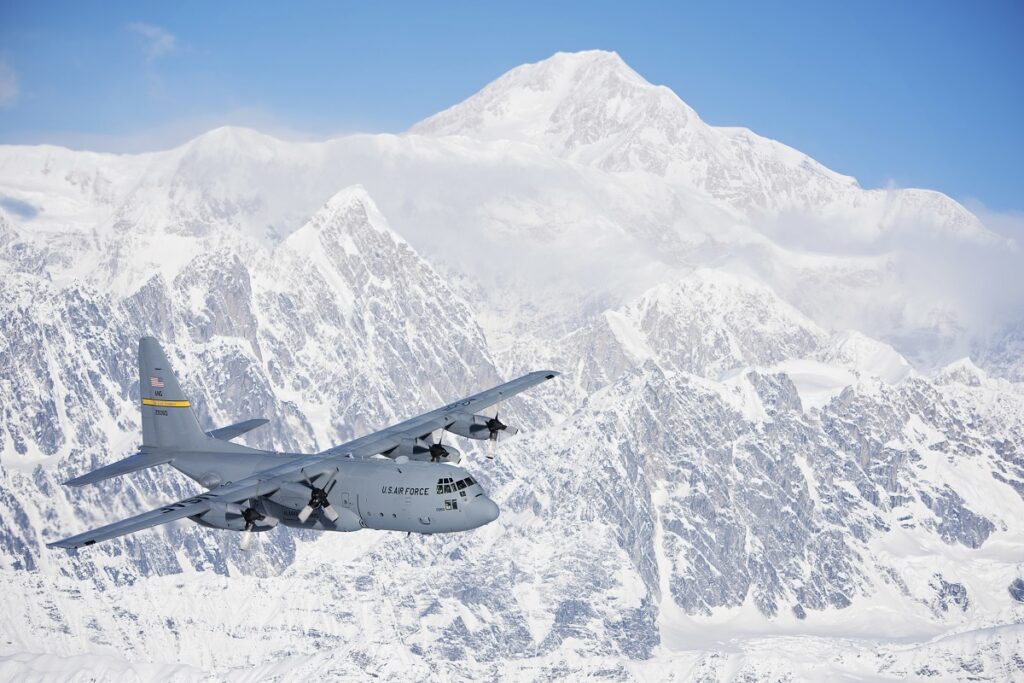
When examining global flight paths, a striking pattern emerges: commercial aircraft routinely traverse the Arctic region, yet the Antarctic remains conspicuously absent from standard routing maps. This geographical disparity reflects a complex interplay of economic, logistical, and safety considerations that shape modern aviation. The decision to favour northern polar routes whilst avoiding southern ones stems from fundamental differences in demand, infrastructure, climate, and regulatory frameworks that govern international air travel.
Understanding polar routes
The science behind great circle navigation
Aircraft follow great circle routes, which represent the shortest distance between two points on a spherical surface. These paths appear curved when projected onto flat maps, particularly near polar regions. For flights connecting North America with Asia or Europe with the Far East, Arctic routes offer significant time and fuel savings compared to lower-latitude alternatives.
Economic drivers of polar aviation
The primary factor determining route selection remains commercial viability. The Arctic sits strategically between major population centres and economic hubs:
- North American cities connecting to Asian destinations
- European capitals linking to Pacific Rim markets
- Transatlantic routes requiring optimal fuel efficiency
- Cargo operations demanding rapid delivery times
In contrast, the Antarctic serves no commercial destinations, with no permanent civilian population requiring regular air services. This fundamental absence of demand eliminates any economic justification for establishing southern polar routes.
These geographical and commercial realities create vastly different operational environments for northern and southern polar aviation.
Logistics of flying in the Arctic
Available infrastructure and emergency facilities
The Arctic region benefits from established infrastructure that supports commercial aviation. Several airports across Alaska, Canada, Russia, Greenland, and Scandinavia provide essential services:
| Location | Function | Capability |
|---|---|---|
| Anchorage, Alaska | Major cargo hub | Full emergency services |
| Reykjavik, Iceland | Passenger diversion | International standards |
| Svalbard, Norway | Emergency landing | Basic facilities |
These facilities provide critical emergency landing options, meeting regulatory requirements for extended-range operations. Airlines can plan routes with confidence, knowing suitable diversion airports exist within required distances.
Operational support systems
Arctic aviation benefits from comprehensive support infrastructure including weather monitoring stations, navigation aids, and communication networks. Satellite coverage ensures constant contact with air traffic control, whilst meteorological services provide accurate forecasting essential for safe operations.
However, the southern polar region presents an entirely different set of operational challenges that make routine commercial flights impractical.
Challenges of flying over the Antarctic
Extreme temperature considerations
The Antarctic holds the record for Earth’s lowest recorded temperature at -89.2°C, creating severe operational hazards. Aviation fuel can thicken or gel at extreme temperatures, potentially compromising engine performance. Aircraft systems, including hydraulics and electronics, face reliability challenges in such conditions, requiring specialised equipment and procedures rarely justified for commercial operations.
Meteorological hazards
Antarctic weather patterns pose unique dangers to aviation:
- Katabatic winds exceeding 320 km/h create turbulence and unpredictable conditions
- Sudden whiteout conditions eliminate visual references
- Limited weather forecasting due to sparse monitoring stations
- Magnetic anomalies near the South Pole affecting navigation instruments
Infrastructure deficit
Unlike the Arctic, Antarctica possesses virtually no infrastructure suitable for commercial aviation emergencies. Research stations operate small airstrips designed for specialist aircraft, not commercial jets. These facilities lack the equipment, personnel, and resources necessary to handle emergency landings of large passenger aircraft.
Beyond these operational difficulties, regulatory frameworks further restrict Antarctic aviation.
Regulations and safety rules
ETOPS certification requirements
Extended-range Twin-engine Operational Performance Standards (ETOPS) govern flights over remote areas. These regulations mandate that aircraft must remain within a specified flying time of suitable diversion airports. The Antarctic’s lack of adequate facilities makes ETOPS compliance impossible for commercial operations, effectively prohibiting routine flights over the continent.
International aviation standards
The International Civil Aviation Organisation establishes safety protocols requiring:
- Accessible emergency landing sites within prescribed distances
- Adequate search and rescue capabilities
- Reliable communication systems throughout the route
- Comprehensive weather monitoring and forecasting
The Antarctic fails to meet these fundamental requirements, making commercial operations legally and practically unfeasible.
Antarctic Treaty considerations
The Antarctic Treaty System, whilst not explicitly prohibiting commercial aviation, establishes environmental protection protocols that complicate operations. Any commercial activity requires careful environmental assessment, adding regulatory complexity that further discourages routine flights.
Environmental factors also play a significant role in route planning decisions.
Environmental impact on route choice
Fuel efficiency and emissions
Arctic routes deliver substantial fuel savings on long-haul flights between major markets. Shorter distances translate directly to reduced carbon emissions, aligning with aviation industry sustainability goals. The great circle routes over the Arctic can save hundreds of kilometres compared to lower-latitude alternatives, reducing both operational costs and environmental impact.
Ecological sensitivity
The Antarctic environment remains largely pristine, protected by international agreements. Increased aviation activity would introduce:
- Noise pollution affecting wildlife
- Risk of fuel spills in a fragile ecosystem
- Carbon emissions over sensitive regions
- Potential disruption to scientific research
These environmental considerations, combined with the absence of commercial justification, reinforce the aviation industry’s avoidance of Antarctic routes.
The current situation reflects decades of aviation development and exploration in polar regions.
The history of polar aviation
Early Arctic exploration flights
Polar aviation commenced in the early twentieth century with pioneering explorers testing aircraft capabilities in extreme conditions. Commercial Arctic routes developed gradually as aircraft technology improved, with reliable jet engines and advanced navigation systems making routine operations feasible by the 1950s.
Antarctic aviation milestones
Antarctic flights have remained primarily limited to:
- Scientific research missions supporting international stations
- Occasional tourist flights offering sightseeing experiences
- Military and governmental operations
- Emergency medical evacuations
These specialised operations utilise aircraft specifically equipped for Antarctic conditions, operating under unique protocols unavailable to commercial carriers.
Technological evolution
Modern aviation technology has enhanced Arctic operations through improved engine reliability, satellite navigation, and weather forecasting. However, these same advances have not translated into viable Antarctic commercial routes due to the fundamental absence of demand and infrastructure.
The contrast between Arctic and Antarctic aviation reflects rational responses to geographical, economic, and operational realities. Arctic routes serve essential commercial needs with adequate infrastructure and safety provisions, whilst the Antarctic’s isolation, extreme conditions, and lack of destinations render commercial operations impractical. This disparity will likely persist as long as fundamental differences in demand, infrastructure, and regulatory environments continue to distinguish these polar regions.