



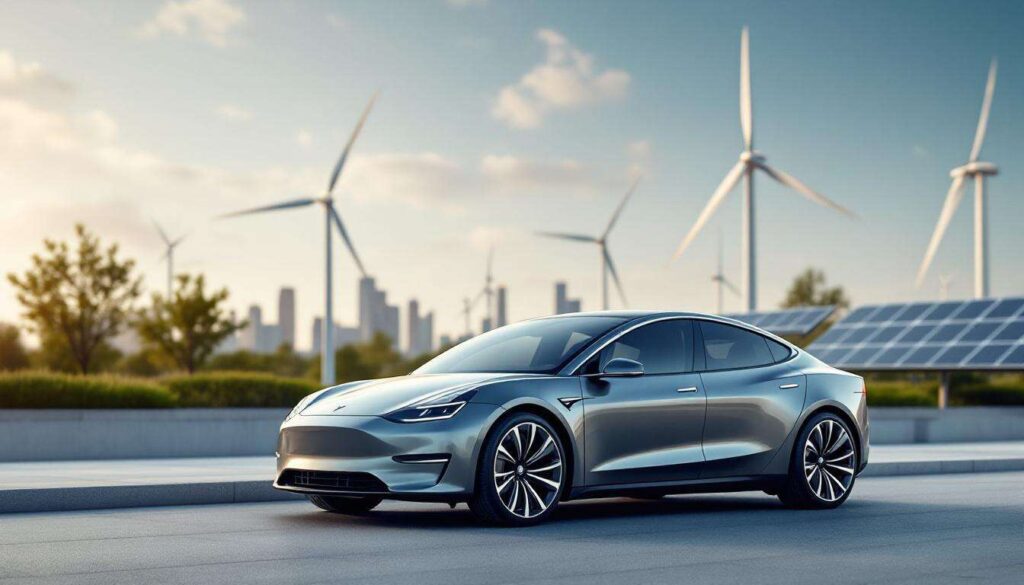
Electric vehicles have rapidly gained traction as governments and manufacturers push towards decarbonising transport. Yet beneath the surface of zero-emission motoring lies a complex environmental equation. The production phase, particularly battery manufacturing, generates substantial greenhouse gas emissions that challenge the perception of electric cars as unequivocally green solutions. Understanding the full lifecycle impact requires examining not only what happens on the road, but also what occurs in factories, mines, and power stations across the globe.
The environmental impact of battery production for electric cars
Manufacturing emissions from battery cells
Battery production represents the most carbon-intensive phase of electric vehicle manufacturing. The process of extracting, refining, and assembling lithium-ion batteries generates significantly more emissions than producing a conventional petrol engine. Manufacturing a single electric vehicle battery can produce between 2.5 to 16 tonnes of CO2 equivalent, depending on production methods and energy sources used in factories.
Raw material extraction challenges
The environmental burden extends beyond factory emissions to the extraction of critical minerals:
- Lithium mining consumes vast quantities of water, particularly in arid regions of South America
- Cobalt extraction in certain regions raises concerns about ecosystem disruption
- Nickel production generates substantial emissions and environmental degradation
- Graphite processing requires energy-intensive purification methods
These mining operations can threaten biodiverse ecosystems and create localised environmental damage that extends well beyond carbon emissions alone. The geographical concentration of these resources also creates supply chain vulnerabilities that manufacturers must navigate whilst attempting to reduce environmental impact.
Regional variations in production emissions
Battery manufacturing emissions vary dramatically based on location. Factories powered by coal-heavy electricity grids produce batteries with substantially higher carbon footprints than those using renewable energy. This geographical factor creates significant disparities in the overall environmental credentials of electric vehicles depending on where their batteries originate.
Understanding production impacts naturally leads to examining how electric vehicles compare with their combustion counterparts across their entire operational lifespan.
Comparison of emissions from electric and combustion vehicles
Lifecycle emission analysis
Recent research demonstrates that electric cars sold in Europe emit approximately 73% fewer greenhouse gases over their complete lifecycle compared to petrol vehicles. This represents a substantial improvement from earlier estimates, reflecting advances in battery technology and manufacturing efficiency. The comparison must account for all phases:
| Vehicle type | Production emissions | Operational emissions | Total lifecycle emissions |
|---|---|---|---|
| Petrol car | Lower | High | High |
| Electric car | Higher | Lower to zero | Significantly lower |
The break-even point
Despite higher production emissions, electric vehicles typically offset this initial carbon debt after several thousand kilometres of driving. The exact break-even distance varies based on electricity grid composition, but generally ranges from 15,000 to 50,000 kilometres. Beyond this threshold, electric vehicles deliver cumulative emission savings that grow with each kilometre travelled.
Air quality benefits
Electric vehicles produce zero tailpipe emissions, delivering immediate air quality improvements in urban areas. This benefit extends beyond climate considerations to public health outcomes, particularly in densely populated cities where combustion vehicle emissions contribute to respiratory illnesses and premature deaths.
The emission advantages of electric vehicles depend critically on how the electricity powering them is generated, which brings the energy source question into sharp focus.
Electric energy sources and life cycle emissions
The renewable energy factor
The environmental performance of electric vehicles improves dramatically when charged from renewable electricity sources. Wind, solar, and hydroelectric power eliminate operational emissions entirely, maximising the climate benefits of electric motoring. Regions with high renewable energy penetration see electric vehicles delivering their greatest environmental advantages.
Grid composition variations
Electricity grid composition varies substantially across regions:
- Countries with coal-heavy grids reduce but do not eliminate electric vehicle emission advantages
- Nuclear-powered grids provide low-carbon electricity with minimal operational emissions
- Natural gas generation offers intermediate emission levels
- Renewable-dominated grids maximise environmental benefits
Even in regions heavily reliant on fossil fuel generation, electric vehicles typically produce fewer lifecycle emissions than combustion alternatives, though the margin narrows considerably.
Grid decarbonisation trends
European electricity grids continue rapidly transitioning towards renewable sources, progressively improving the environmental credentials of electric vehicles already on the road. This dynamic means electric vehicles become cleaner over time without any modifications, unlike combustion vehicles whose emissions remain constant throughout their lifespan.
Despite these advantages, electric vehicles face ongoing sustainability challenges that require urgent attention and innovative solutions.
Sustainability challenges for electric cars
Battery recycling infrastructure
Current battery recycling capabilities remain inadequate for projected volumes of end-of-life batteries. Developing efficient, economically viable recycling processes represents a critical challenge for the industry. Without robust recycling infrastructure, the environmental benefits of electric vehicles risk being undermined by waste management problems and continued demand for virgin materials.
Resource availability concerns
Scaling electric vehicle production to meet climate targets requires vast quantities of battery materials. Questions persist about whether mineral supplies can sustainably meet projected demand without causing severe environmental damage or geopolitical tensions. Alternative battery chemistries using more abundant materials offer potential solutions but require further development.
Manufacturing footprint reduction
Manufacturers face pressure to reduce production emissions through:
- Transitioning battery factories to renewable energy
- Improving manufacturing efficiency to reduce material waste
- Developing lower-impact extraction and processing methods
- Localising supply chains to reduce transportation emissions
Addressing these challenges requires coordinated action across the automotive industry, supported by appropriate policy frameworks and technological innovation.
Making electric cars greener
Technological improvements
Battery technology continues advancing rapidly, with newer chemistries promising reduced environmental impact. Solid-state batteries, sodium-ion alternatives, and improved lithium-ion formulations could substantially decrease production emissions whilst enhancing performance and longevity.
Circular economy approaches
Implementing circular economy principles can dramatically improve sustainability:
- Designing batteries for easier disassembly and recycling
- Establishing second-life applications for degraded batteries in stationary storage
- Recovering and reusing critical materials from end-of-life batteries
- Minimising virgin material requirements through improved recycling efficiency
Policy and industry commitments
Major manufacturers have announced ambitious electrification targets, with some committing to exclusively electric lineups by 2030 or 2035. These commitments drive investment in cleaner production methods and sustainable supply chains. Regulatory frameworks increasingly mandate transparency around lifecycle emissions and responsible sourcing of battery materials.
These improvements reinforce the fundamental advantages electric vehicles already possess over conventional alternatives.
The advantage of electric vehicles over petrol and diesel
Cumulative emission reductions
Over typical vehicle lifespans, electric cars deliver substantial cumulative emission savings compared to petrol and diesel alternatives. As electricity grids decarbonise, these savings continue growing, creating an expanding environmental advantage that combustion vehicles cannot match.
Urban air quality transformation
The absence of tailpipe emissions fundamentally transforms urban air quality. Cities adopting electric vehicle fleets experience measurable improvements in pollutant concentrations, delivering immediate public health benefits alongside longer-term climate advantages.
Future-proof technology
Electric vehicles represent a future-compatible technology platform that improves as energy systems decarbonise. Combustion vehicles offer no such pathway, remaining locked into fossil fuel dependence regardless of technological advances elsewhere in the energy system.
Electric vehicles clearly demonstrate environmental advantages over combustion alternatives when production and battery emissions are fully considered. Whilst battery manufacturing creates an initial carbon burden, this is comprehensively offset during operational life, particularly in regions with cleaner electricity grids. The 73% lifecycle emission reduction compared to petrol vehicles represents a significant climate benefit that continues improving as renewable energy deployment accelerates. Challenges around battery production, material extraction, and end-of-life recycling require ongoing attention, but do not fundamentally undermine the environmental case for electrification. As manufacturing processes become cleaner and recycling infrastructure matures, electric vehicles will deliver increasingly compelling sustainability advantages essential for decarbonising transport.