



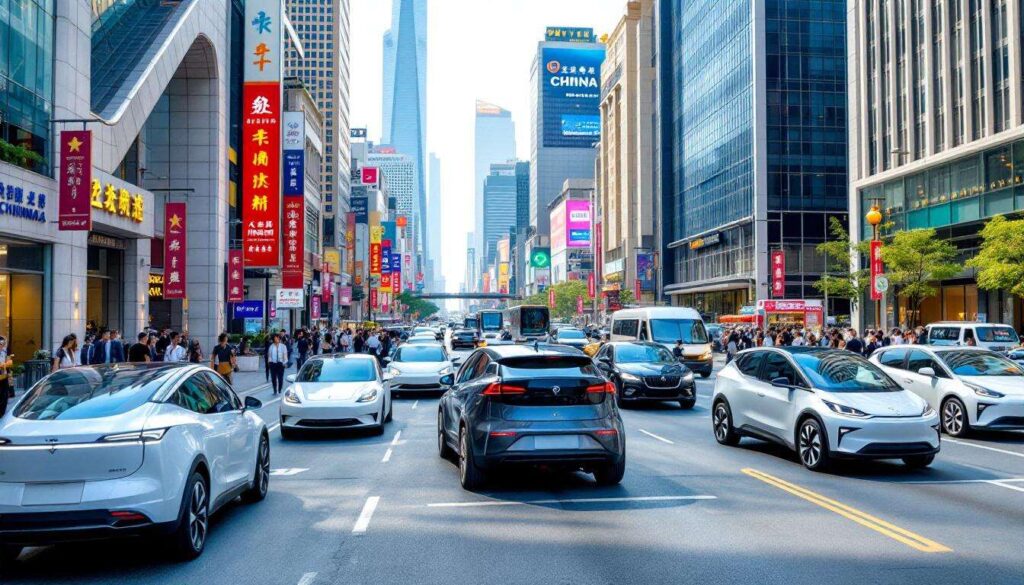
The electric vehicle sector in China has experienced unprecedented growth over the past few years, transforming the nation into the world’s largest market for battery-powered automobiles. This explosive expansion, however, brought with it significant challenges including safety concerns, quality inconsistencies, and fierce competition among hundreds of manufacturers. Recognising the need for order in what had become an increasingly chaotic landscape, Chinese authorities have introduced comprehensive regulations designed to bring structure and sustainability to an industry that had been operating with minimal oversight. These measures represent a fundamental shift in how the sector is governed, with far-reaching implications for manufacturers, consumers, and the global automotive industry.
Background of China’s electric car market
The rise to global dominance
China’s journey to becoming the world’s leading electric vehicle market began with strategic government initiatives aimed at reducing urban pollution and decreasing dependence on imported fossil fuels. By the early 2020s, the country had established itself as the dominant force in the global EV landscape, with domestic production and sales far surpassing those of any other nation. The sector attracted substantial investment from both state-owned enterprises and private companies, creating a vibrant ecosystem of innovation and competition.
The market’s expansion was nothing short of remarkable. By 2023, electric vehicles accounted for approximately 25% of all new car sales in China, a figure that continued to climb as consumer acceptance grew and charging infrastructure expanded. This growth was supported by generous government subsidies, favourable policies, and an increasingly environmentally conscious middle class willing to embrace new technologies.
Key market characteristics
Several factors distinguished China’s electric vehicle market from those in other regions:
- Massive scale of production with hundreds of manufacturers competing for market share
- Government incentives including purchase subsidies and tax exemptions
- Rapid development of charging infrastructure in urban centres
- Strong domestic battery manufacturing capabilities
- Integration of advanced technologies including autonomous driving features
China’s dominance extended beyond vehicle production to encompass the entire supply chain. The country controlled approximately 60% of the global market for electric vehicle batteries by 2025, cementing its position as an indispensable player in the worldwide transition to electric mobility. This vertical integration gave Chinese manufacturers significant competitive advantages in terms of cost and technological development.
The sector’s rapid evolution, whilst impressive, created conditions that would eventually necessitate government intervention to ensure sustainable growth.
The challenges the sector faced before the Chinese state’s intervention
Safety and quality concerns
The breakneck pace of expansion in China’s electric vehicle industry created significant safety and quality challenges that threatened consumer confidence and public safety. Incidents involving battery fires, sudden acceleration, and brake failures became increasingly common as manufacturers rushed products to market without adequate testing. These problems were particularly acute among smaller start-ups lacking the resources and expertise to implement rigorous quality control measures.
Battery safety emerged as a critical concern, with several high-profile incidents involving thermal runaway and spontaneous combustion. The lack of standardised testing protocols meant that battery packs varied widely in quality and reliability, creating unpredictable risks for consumers. Many manufacturers prioritised rapid market entry over thorough product development, resulting in vehicles that failed to meet basic safety standards.
Market fragmentation and overcapacity
The electric vehicle sector had become extraordinarily fragmented, with estimates suggesting that more than 300 manufacturers were operating in China at the peak of the expansion. This proliferation of companies created several problems:
- Massive overcapacity with production capabilities far exceeding demand
- Wasteful duplication of research and development efforts
- Price wars that undermined profitability and sustainability
- Inconsistent product quality across manufacturers
- Confusion among consumers faced with overwhelming choice
Environmental and ethical issues
Despite the environmental benefits of electric vehicles, the industry’s practices raised serious sustainability concerns. Battery production involved environmentally damaging mining practices, particularly for lithium and cobalt. Many manufacturers failed to implement adequate recycling programmes for end-of-life batteries, creating potential environmental hazards. Additionally, questions arose regarding labour practices in the supply chain, particularly in raw material extraction.
These mounting challenges made it clear that regulatory intervention was necessary to transform the sector from a chaotic free-for-all into a sustainable, well-ordered industry.
The new regulations tackling the chaotic expansion
Comprehensive regulatory framework
In 2024, Chinese authorities introduced stringent new regulations designed to address the sector’s most pressing challenges. These measures represented the most comprehensive overhaul of the industry since its inception, covering everything from manufacturing standards to business ethics. The regulations aimed to consolidate the market, improve product quality, and ensure that the industry’s growth aligned with China’s broader environmental objectives.
The new framework established mandatory safety standards for all electric vehicles sold in China, with particular emphasis on battery technology. Manufacturers were required to demonstrate compliance through rigorous testing protocols before receiving approval to sell vehicles. The regulations also introduced stricter requirements for after-sales service and warranty provisions, ensuring that consumers had adequate protection.
Key regulatory measures
| Regulatory area | Key requirements | Implementation timeline |
|---|---|---|
| Battery safety | Mandatory thermal runaway testing and fire prevention systems | Immediate compliance required |
| Manufacturing standards | ISO certification and quality management systems | 12-month transition period |
| Environmental compliance | Battery recycling programmes and supply chain transparency | Phased implementation over 24 months |
| Business practices | Financial stability requirements and ethical sourcing standards | 6-month compliance period |
Market consolidation measures
The regulations deliberately encouraged market consolidation by setting high barriers to entry that smaller, less-capitalised manufacturers struggled to meet. Companies were required to demonstrate financial stability, technical capabilities, and long-term viability before receiving production licences. This approach aimed to reduce the number of manufacturers to a more manageable level whilst ensuring that surviving companies had the resources to compete internationally.
Authorities also introduced measures to prevent predatory pricing and unfair competition, establishing minimum standards for profitability and sustainability. These provisions aimed to create a healthier competitive environment that rewarded innovation and quality rather than simply undercutting rivals on price.
The regulatory framework’s implementation marked the beginning of a new era for the industry, one that would profoundly affect both manufacturers and consumers.
The impact of reforms on manufacturers and consumers
Consequences for manufacturers
The new regulations triggered significant consolidation within the industry, with numerous smaller manufacturers unable to meet the stringent new requirements. Dozens of start-ups ceased operations, whilst others merged with larger competitors to achieve the scale necessary for compliance. This consolidation, whilst painful for some companies, created a more sustainable industry structure with stronger, more capable manufacturers.
Established manufacturers faced substantial costs adapting to the new regulatory environment:
- Investment in upgraded testing facilities and quality control systems
- Development of improved battery safety technologies
- Implementation of comprehensive recycling programmes
- Enhanced after-sales service networks
- Supply chain auditing and ethical sourcing verification
Despite these costs, many manufacturers welcomed the regulations as a means of establishing a level playing field and eliminating competitors who had been cutting corners. The reforms also spurred innovation, with companies investing heavily in solid-state battery technology and other advanced solutions that promised to improve safety and performance.
Benefits for consumers
Consumer response to the regulations proved overwhelmingly positive, with surveys indicating increased confidence in electric vehicle safety and quality. The reduction in the number of manufacturers simplified purchasing decisions, whilst improved standards provided greater assurance of product reliability. Government incentives continued to support adoption, with subsidies increasingly directed towards vehicles meeting the highest safety and environmental standards.
The reforms also brought tangible improvements in vehicle quality and after-sales service. Consumers benefited from longer warranties, better service networks, and improved battery performance. The emphasis on sustainability resonated with environmentally conscious buyers, who appreciated efforts to address the industry’s environmental footprint.
These domestic changes inevitably attracted international attention and prompted responses from governments and manufacturers worldwide.
International reactions to China’s measures
Global regulatory alignment
China’s regulatory reforms catalysed increased international cooperation on electric vehicle standards. The United States and European Union engaged with Chinese authorities to develop compatible regulatory frameworks, recognising that global standards would facilitate trade and investment in green technologies. This cooperation represented a significant shift from earlier periods of regulatory fragmentation and competition.
International manufacturers operating in China generally supported the reforms, viewing them as necessary to create a sustainable market. Many companies had advocated for stronger regulations, arguing that the previous lack of oversight disadvantaged responsible manufacturers. The new framework provided greater certainty for long-term investment decisions and helped protect intellectual property.
Competitive implications
The regulations strengthened the position of Chinese manufacturers in global markets by forcing them to meet higher standards. Companies that successfully adapted to the new requirements found themselves better positioned to compete internationally, with products that met or exceeded standards in other major markets. This competitive advantage reinforced China’s dominance in the global electric vehicle industry.
Some international observers expressed concerns about potential protectionist elements within the regulations, questioning whether they might disadvantage foreign manufacturers. However, authorities maintained that the measures applied equally to all companies operating in China, regardless of ownership. The emphasis on establishing global standards through international cooperation helped address these concerns.
Looking ahead, the industry faces both opportunities and challenges as it adapts to this new regulatory landscape.
Future vision: towards a more stable and regulated market
Strategic alignment with climate goals
The regulatory reforms directly support China’s ambitious climate objectives, including peaking carbon dioxide emissions by 2030 and achieving carbon neutrality by 2060. The electric vehicle sector represents a crucial component of this strategy, with transportation electrification essential for meeting emissions targets. The new regulations ensure that the industry’s growth contributes meaningfully to these environmental goals rather than simply replacing one set of problems with another.
Authorities continue to refine policies to accelerate the transition whilst maintaining quality and safety standards. Future measures are expected to focus on:
- Expanding charging infrastructure in rural and less-developed regions
- Promoting vehicle-to-grid technology for energy system integration
- Encouraging development of hydrogen fuel cell vehicles for commercial applications
- Strengthening battery recycling and circular economy initiatives
- Supporting exports of Chinese electric vehicles and components
Technological innovation and market maturation
The industry’s evolution from chaotic expansion to regulated maturity creates opportunities for sustained innovation. Chinese companies are investing heavily in next-generation technologies, particularly solid-state batteries that promise significant improvements in safety, energy density, and charging speed. These investments position China to maintain its technological leadership as the global market continues to grow.
Market maturation also enables manufacturers to focus on profitability and long-term sustainability rather than simply pursuing market share at any cost. This shift creates a healthier industry structure capable of supporting continued innovation and international expansion.
China’s transformation of its electric vehicle sector from a regulatory “Wild West” into a structured, sustainable industry demonstrates the potential for government intervention to channel market forces towards socially beneficial outcomes. The reforms address critical safety and environmental concerns whilst preserving the dynamism and innovation that characterised the sector’s early growth. As the industry continues to evolve, the regulatory framework established in 2024 will likely serve as a model for other nations seeking to manage their own transitions to electric mobility. The success of these measures in creating a more stable market whilst maintaining China’s competitive advantages suggests that appropriate regulation can enhance rather than hinder industrial development, providing valuable lessons for policymakers worldwide as they navigate the complex challenges of the green transition.