



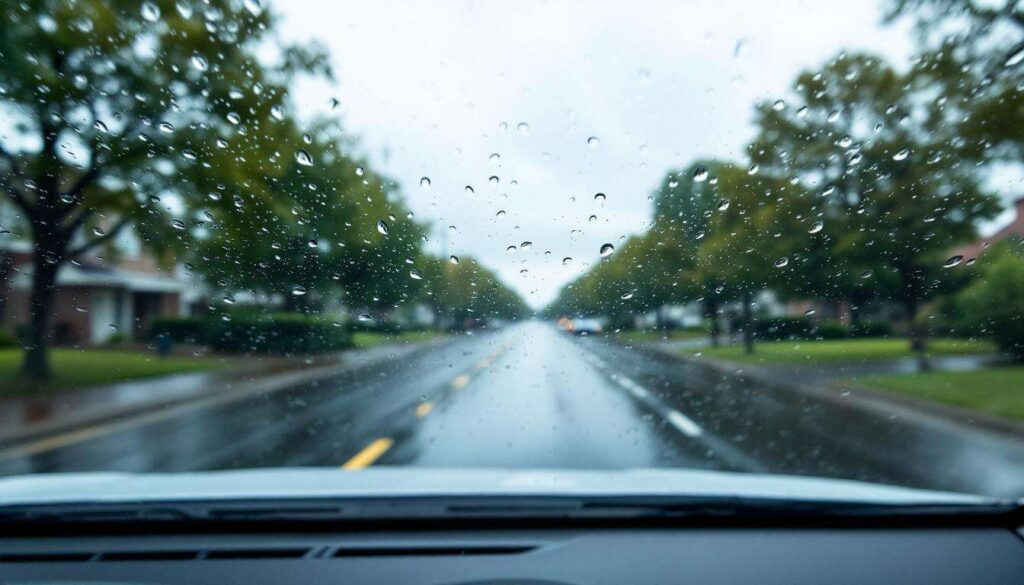
Motorists across the country are discovering that an ordinary household ingredient can transform their driving experience. Vinegar, a staple in most kitchens, offers remarkable benefits for windscreen maintenance that rival expensive commercial products. This natural solution not only cleans effectively but also provides protective qualities that enhance visibility and safety on the road. Understanding how to harness vinegar’s cleaning power properly can save money whilst delivering professional results.
Understanding the benefits of vinegar on your windscreen
Superior cleaning properties without harsh chemicals
Vinegar contains acetic acid, which breaks down dirt, grime, and mineral deposits with remarkable efficiency. Unlike commercial cleaners laden with chemicals, this natural acid dissolves stubborn residues without leaving toxic fumes or harmful streaks. The acidic nature of vinegar makes it particularly effective against hard water stains and road film that accumulate on windscreens over time.
The cleaning power of vinegar extends beyond simple dirt removal. It tackles:
- Tree sap and bird droppings that bond to glass surfaces
- Insect remains that become increasingly difficult to remove
- Road salt deposits during winter months
- Wiper blade residue that creates annoying streaks
- Smoky film from interior surfaces
Cost-effective alternative to commercial products
The financial advantage of using vinegar cannot be overstated. A single bottle of white vinegar costs significantly less than branded windscreen cleaners, yet provides equivalent or superior results. This economical solution allows motorists to maintain their vehicles without straining their budgets, particularly beneficial for those who clean their windscreens frequently or maintain multiple vehicles.
| Product Type | Average Cost per Litre | Cleaning Effectiveness |
|---|---|---|
| White Vinegar | £0.50-£1.00 | Excellent |
| Commercial Windscreen Cleaner | £3.00-£6.00 | Good to Excellent |
| Premium Automotive Glass Cleaner | £8.00-£15.00 | Excellent |
Environmental advantages of natural cleaning
Choosing vinegar represents an environmentally responsible decision that reduces chemical runoff into waterways. Traditional cleaners contain phosphates, ammonia, and synthetic fragrances that harm aquatic ecosystems when they drain away. Vinegar biodegrades naturally without leaving harmful residues, making it a sustainable choice for conscientious motorists who value ecological preservation alongside vehicle maintenance.
Beyond the immediate cleaning benefits, vinegar’s protective qualities and versatility make it an indispensable tool for comprehensive vehicle care.
How vinegar cleans and protects effectively
The science behind vinegar’s cleaning action
The molecular structure of acetic acid allows it to penetrate and dissolve various contaminants through a process called chelation. This chemical reaction breaks the bonds between dirt particles and the glass surface, lifting away residues without abrasive scrubbing. The pH level of vinegar, typically around 2.5, creates an inhospitable environment for bacteria and mould whilst remaining safe for automotive glass and surrounding materials.
Protective coating formation
When properly applied and dried, vinegar leaves behind a microscopic protective layer that repels water and reduces future buildup. This hydrophobic effect causes rainwater to bead and roll off the windscreen more readily, improving visibility during wet weather conditions. The protective qualities extend the time between necessary cleanings, reducing maintenance frequency and effort.
Prevention of wiper blade deterioration
Regular vinegar cleaning removes the mineral deposits and residues that cause wiper blades to deteriorate prematurely. By maintaining a cleaner glass surface, wipers glide smoothly without encountering abrasive particles that wear down the rubber. This preservation effect extends wiper blade lifespan and maintains optimal clearing performance throughout their service life.
Understanding these mechanisms provides the foundation for implementing proper application techniques that maximise results.
Steps to properly apply vinegar to your windscreen
Preparing the vinegar solution
Creating an effective cleaning solution requires the correct proportions. Mix equal parts white vinegar and distilled water in a clean spray bottle. For particularly stubborn stains or heavily soiled windscreens, increase the vinegar concentration to a 2:1 ratio. Distilled water prevents mineral deposits from the solution itself, ensuring streak-free results.
Application technique for best results
Follow these systematic steps for professional-quality cleaning:
- Park the vehicle in a shaded area to prevent rapid evaporation
- Remove loose debris with a soft brush or rinse with plain water
- Spray the vinegar solution generously across the entire windscreen
- Allow the solution to sit for 30-60 seconds to penetrate grime
- Wipe in circular motions using a microfibre cloth
- Follow with vertical strokes from top to bottom
- Finish with horizontal passes for complete coverage
- Buff dry with a clean, dry microfibre cloth
Addressing stubborn spots and stains
For persistent contaminants that resist initial cleaning, apply undiluted vinegar directly to the affected area. Allow it to soak for several minutes before gently agitating with a soft cloth. Avoid using abrasive materials that might scratch the glass. For extremely stubborn deposits, create a paste using vinegar and baking soda, applying it carefully and rinsing thoroughly afterwards.
Interior windscreen cleaning considerations
The interior surface requires special attention due to dashboard proximity and different contamination types. Use a slightly diluted solution to prevent overspray damage to electronics and upholstery. Work from passenger side to driver side, ensuring complete coverage whilst protecting sensitive components. The vinegar effectively removes the oily film that accumulates from dashboard off-gassing and reduces glare significantly.
Proper technique ensures maximum effectiveness, but additional considerations can further enhance results and prevent potential issues.
Tips and precautions for optimal use
Selecting the appropriate vinegar type
White distilled vinegar provides the best results for automotive applications. Avoid apple cider vinegar, balsamic vinegar, or other varieties that contain sugars or additional compounds that may leave residues. The clear, colourless nature of white vinegar ensures no staining or discolouration occurs on glass or surrounding trim.
Weather and timing considerations
Temperature and environmental conditions significantly impact cleaning effectiveness. Optimal results occur when:
- Ambient temperature ranges between 10°C and 25°C
- Direct sunlight does not strike the windscreen
- Humidity levels allow proper drying without rapid evaporation
- Wind conditions remain calm to prevent dust contamination
Material compatibility and safety measures
Whilst vinegar proves safe for glass, exercise caution around certain materials. Avoid contact with rubber seals for extended periods, as prolonged exposure may cause deterioration. Prevent solution from dripping onto paintwork, particularly if using concentrated vinegar. Wear gloves if you have sensitive skin, and ensure adequate ventilation when cleaning interior surfaces to disperse the distinctive vinegar odour quickly.
Frequency recommendations
Regular maintenance yields better results than infrequent intensive cleaning. For most driving conditions, clean the windscreen with vinegar solution fortnightly. Increase frequency during winter months or in areas with high pollution levels. This preventative approach stops buildup before it becomes problematic, reducing the effort required for each cleaning session.
The versatility of vinegar extends well beyond windscreen maintenance, offering solutions for numerous automotive cleaning challenges.
Other uses of vinegar for car maintenance
Cleaning exterior mirrors and windows
The same solution that cleans windscreens works equally well on side mirrors and passenger windows. Apply using identical techniques to maintain consistent visibility throughout the vehicle. The streak-free finish enhances safety by eliminating blind spots caused by dirty mirrors and improving overall situational awareness.
Removing odours from vehicle interiors
Vinegar’s deodorising properties make it invaluable for eliminating persistent smells. Place shallow dishes of white vinegar inside the vehicle overnight to absorb odours from upholstery and carpeting. For targeted treatment, lightly mist fabric surfaces with diluted vinegar solution, allowing them to air dry completely. This natural approach neutralises odours without masking them with artificial fragrances.
Cleaning headlight lenses
Oxidised and cloudy headlight lenses respond well to vinegar treatment. Mix vinegar with baking soda to create a gentle abrasive paste that removes surface oxidation without damaging the plastic lens. Apply in circular motions, rinse thoroughly, and follow with a protective sealant for lasting clarity and improved nighttime visibility.
Maintaining chrome and metal trim
Diluted vinegar solution removes water spots and light corrosion from chrome bumpers, trim pieces, and metal accents. Apply with a soft cloth, allowing brief contact before wiping clean and buffing dry. This gentle cleaning method preserves the protective coating on chrome whilst restoring its reflective shine.
Despite its numerous benefits, certain situations require alternative cleaning approaches to prevent damage or ineffective results.
When to avoid using vinegar on your windscreen
Tinted windscreen considerations
Aftermarket tinting requires special care, as vinegar may compromise the adhesive bonding the film to the glass. Factory-tinted glass generally tolerates vinegar well, but aftermarket films, particularly older installations, risk delamination from acidic exposure. Consult tinting manufacturer guidelines before applying vinegar solutions to tinted surfaces.
Damaged or cracked glass
Existing chips or cracks in the windscreen create vulnerabilities where vinegar solution may penetrate and cause expansion. The acidic nature can weaken already compromised glass structure, potentially worsening damage. Address glass repairs before implementing vinegar cleaning routines to maintain structural integrity and prevent costly replacements.
Recently treated windscreens
Newly applied rain-repellent coatings or ceramic treatments require curing time before exposure to acidic cleaners. Vinegar may interfere with bonding processes or prematurely degrade protective layers. Wait at least 48 hours after professional treatments before using vinegar solutions, or follow specific manufacturer recommendations for compatible cleaning products.
Extreme temperature conditions
Avoid applying vinegar solutions when the windscreen temperature exceeds 40°C or falls below freezing. Extreme heat causes rapid evaporation that leaves concentrated residues, whilst freezing temperatures prevent proper cleaning action and may cause solution to freeze on the glass surface. These conditions reduce effectiveness and potentially create additional cleaning challenges.
Vinegar offers motorists an affordable, effective, and environmentally friendly solution for maintaining pristine windscreens. Its natural cleaning properties dissolve stubborn contaminants whilst providing protective benefits that enhance visibility and safety. Proper application techniques maximise results, and understanding when to avoid vinegar prevents potential damage. Beyond windscreen care, this versatile household product addresses numerous automotive maintenance needs, making it an essential addition to any vehicle care routine. By incorporating vinegar into regular maintenance schedules, drivers can achieve professional-quality results whilst reducing reliance on expensive commercial products and minimising environmental impact.