



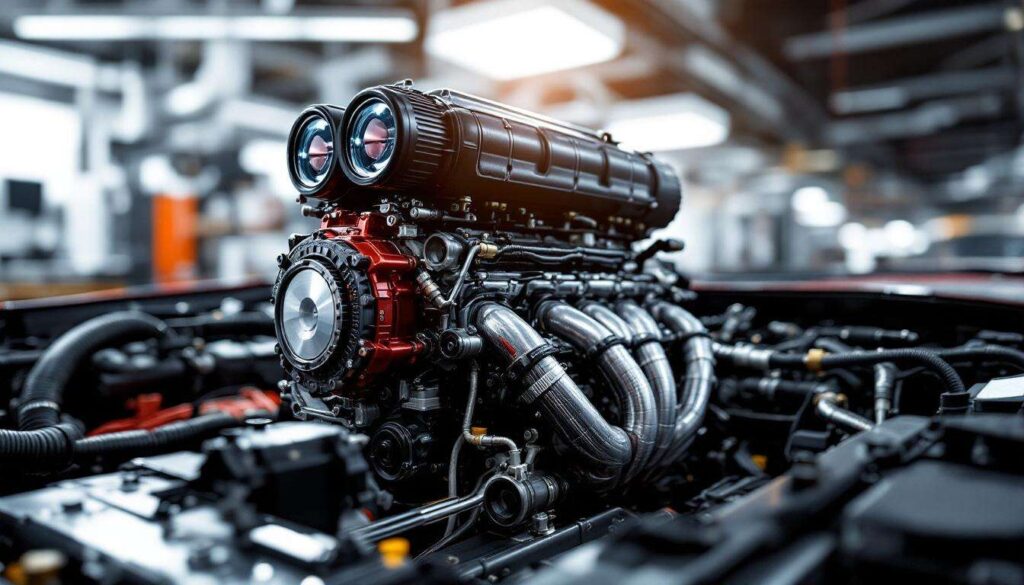
Modern automotive engineering continues to evolve, with manufacturers constantly seeking ways to balance performance, efficiency, and environmental responsibility. The three-cylinder engine has emerged as a compelling alternative to traditional four-cylinder powerplants, particularly in smaller vehicles and urban-focused models. Once dismissed as underpowered and unrefined, today’s three-cylinder engines benefit from advanced technologies that address many historical shortcomings. This configuration has gained significant traction across Europe, appearing in everything from city cars to premium hatchbacks. Understanding the advantages and limitations of these compact powerplants helps potential buyers make informed decisions about whether this engine type suits their driving needs and expectations.
Understanding the 3 Cylinder Engine
Basic configuration and operation
A three-cylinder engine operates with one fewer cylinder than conventional four-cylinder designs, featuring three pistons working in sequence to generate power. This configuration typically measures between 1.0 and 1.5 litres in displacement, though variations exist. The firing order differs from four-cylinder engines, creating a distinctive operational character that influences both performance and refinement.
The fundamental design principles include:
- Three pistons arranged in a single bank configuration
- Reduced overall engine length compared to four-cylinder units
- Typically turbocharged to compensate for smaller displacement
- Fewer moving components requiring lubrication and maintenance
- Asymmetrical firing intervals creating characteristic vibration patterns
Evolution and modern applications
Three-cylinder engines have undergone substantial technological advancement over the past decade. Early versions suffered from excessive vibration and limited power output, relegating them to budget vehicles. Contemporary examples incorporate balance shafts, sophisticated engine management systems, and forced induction to deliver performance comparable to larger engines whilst maintaining efficiency advantages. Major manufacturers including Ford, BMW, Volkswagen, and PSA Group have invested heavily in three-cylinder technology, fitting these engines across diverse model ranges from superminis to family hatchbacks.
This widespread adoption reflects growing confidence in the configuration’s capabilities and market acceptance. The technology now represents a mature solution rather than a compromise, setting the stage for examining specific benefits.
Advantages in Fuel Efficiency
Reduced fuel consumption
The primary appeal of three-cylinder engines lies in exceptional fuel economy figures achieved through reduced internal friction and lower weight. With approximately 25% fewer moving parts than four-cylinder equivalents, these engines require less energy to operate, translating directly into improved miles per gallon. Real-world testing consistently demonstrates fuel savings of 10-15% compared to similarly powered four-cylinder units.
| Engine Type | Average Urban MPG | Average Motorway MPG | Combined MPG |
|---|---|---|---|
| 1.0L 3-Cylinder Turbo | 48-52 | 58-65 | 52-58 |
| 1.4L 4-Cylinder | 42-46 | 52-58 | 46-52 |
Weight reduction benefits
Engine weight significantly influences overall vehicle efficiency, and three-cylinder units typically weigh 15-20 kilograms less than comparable four-cylinder engines. This reduction improves power-to-weight ratios and decreases the energy required for acceleration and braking. The lighter front-end also enhances handling characteristics, particularly in smaller vehicles where weight distribution critically affects agility and responsiveness.
These efficiency gains extend beyond simple fuel consumption, influencing the broader performance envelope and environmental credentials of vehicles equipped with three-cylinder powerplants.
Performance and Power: strengths and Limits
Turbocharged power delivery
Modern three-cylinder engines almost universally employ turbocharging to generate power outputs previously requiring larger displacement. This forced induction allows 1.0-litre units to produce 90-130 bhp, matching or exceeding naturally aspirated 1.6-litre engines. The turbocharger compensates for reduced cylinder count, delivering strong mid-range torque that suits everyday driving conditions. However, power delivery characteristics differ from larger engines, with noticeable turbo lag in some applications and a narrower power band requiring more frequent gearchanges during spirited driving.
Vibration and refinement challenges
The inherent imbalance of three-cylinder configurations creates vibration issues that manufacturers must address through engineering solutions. Unlike four-cylinder engines with naturally balanced forces, three-cylinder units produce primary and secondary imbalances requiring counterweights, balance shafts, or sophisticated engine mounts. Despite these measures, some vibration typically remains perceptible, particularly at idle and low speeds. Premium manufacturers achieve better refinement through additional investment in noise, vibration, and harshness reduction, whilst budget applications may exhibit more noticeable roughness.
Performance capabilities prove adequate for most drivers, though enthusiasts may find limitations compared to larger engines, particularly regarding top-end power and refinement. These considerations naturally lead to examining environmental implications.
Environmental Impact: a Clear Advantage
Reduced CO2 emissions
Three-cylinder engines deliver measurably lower carbon dioxide emissions than larger alternatives, making them attractive in markets with emissions-based taxation. Typical CO2 outputs range from 95-115 g/km, comfortably below many four-cylinder equivalents. This reduction stems from improved combustion efficiency, reduced friction losses, and lower fuel consumption. As emissions regulations tighten globally, three-cylinder engines help manufacturers meet corporate average fuel economy standards whilst offering customers lower tax liabilities and reduced running costs.
Manufacturing and lifecycle considerations
The environmental benefits extend to production, where fewer components require less raw material and energy to manufacture. Simplified construction reduces the carbon footprint associated with casting, machining, and assembly processes. The lighter weight also decreases tyre wear and brake dust generation throughout the vehicle’s operational life. However, turbocharged engines may require more frequent component replacement, potentially offsetting some lifecycle advantages depending on usage patterns and maintenance practices.
These environmental credentials represent genuine advantages, though practical ownership considerations also warrant examination.
Cost and Maintenance: what to Know ?
Initial purchase price
Vehicles equipped with three-cylinder engines typically cost £500-£1,500 less than equivalent four-cylinder models, reflecting reduced manufacturing complexity and component counts. This price advantage makes newer vehicles more accessible whilst providing identical or superior equipment levels. The savings prove particularly significant in budget and mainstream segments where price sensitivity influences purchasing decisions. However, premium manufacturers may not pass these savings to consumers, instead maintaining price parity with four-cylinder variants whilst improving profit margins.
Maintenance requirements and longevity
Fewer cylinders mean fewer spark plugs, injectors, and valves requiring periodic replacement, potentially reducing long-term maintenance costs. Standard service intervals remain similar to four-cylinder engines, though turbocharged variants require quality oil and timely changes to ensure turbocharger longevity. Some concerns exist regarding long-term durability, as higher specific outputs place greater stress on components. Early examples have generally proven reliable, though insufficient time has elapsed to assess 200,000-mile durability comprehensively.
Key maintenance considerations include:
- Turbocharger servicing and potential replacement costs
- Engine mount wear due to increased vibration
- Timing belt or chain replacement intervals
- Oil consumption monitoring in high-mileage examples
Understanding these cost factors helps determine whether three-cylinder engines suit particular ownership profiles and usage patterns.
The 3 Cylinder Engine, who is it for ?
Ideal usage scenarios
Three-cylinder engines excel in urban and suburban driving environments where fuel efficiency and manoeuvrability matter most. Commuters covering moderate annual mileages benefit from reduced running costs without sacrificing adequate performance. City dwellers appreciate the lighter steering and improved agility resulting from reduced front-end weight. The configuration suits drivers prioritising economy over outright performance, those comfortable with characteristic engine character, and environmentally conscious buyers seeking reduced emissions without transitioning to electrified powertrains.
When to consider alternatives
Certain driving profiles favour larger engines despite efficiency penalties. Frequent motorway driving at sustained high speeds may prove less suited to three-cylinder engines, which can feel strained during extended high-load operation. Drivers regularly carrying heavy loads or towing trailers should consider four-cylinder alternatives offering greater low-end torque and thermal capacity. Enthusiasts prioritising refinement and performance may find the vibration characteristics and power delivery unsatisfying compared to smoother, more powerful alternatives.
Three-cylinder engines represent a thoughtful compromise between efficiency and capability, offering genuine advantages for appropriate applications whilst presenting limitations that matter more to some drivers than others. The configuration continues evolving, with manufacturers refining technology to address historical weaknesses whilst maximising inherent benefits. Prospective buyers should evaluate personal driving patterns, performance expectations, and budget constraints against the specific characteristics of three-cylinder powerplants. For many motorists, particularly those prioritising running costs and environmental responsibility over ultimate performance, these compact engines deliver an appealing balance of attributes that justify their growing market presence across diverse vehicle segments.