
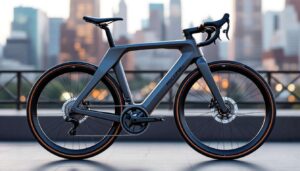



When scientists measure energy efficiency across the animal kingdom, the results reveal a surprising truth. Birds soar through the skies, fish glide through water with minimal effort, and land mammals traverse vast distances, yet none match the remarkable efficiency of a human being riding a bicycle. This simple machine, invented in the nineteenth century, transforms our bodies into the most energy-efficient travellers on Earth, combining natural human physiology with elegant mechanical engineering to create a mode of transport that surpasses millions of years of evolutionary refinement.
Why is the bicycle the most efficient option for travel ?
The bicycle’s extraordinary efficiency stems from its ability to amplify human muscle power whilst minimising energy loss. Research demonstrates that cycling requires approximately one-fifth of the calories needed for walking the same distance, making it the most economical form of personal transportation ever devised.
Comparing energy expenditure across transport modes
Understanding the bicycle’s superiority requires examining how different organisms and vehicles consume energy relative to distance travelled. Scientists measure this using a metric called calories per gramme per kilometre, which reveals the true cost of movement.
| Mode of Travel | Energy Efficiency (calories/gramme/km) |
|---|---|
| Human on bicycle | 0.15 |
| Walking human | 0.75 |
| Salmon swimming | 0.50 |
| Jet aircraft | 1.20 |
| Automobile | 0.90 |
The mechanics behind cycling efficiency
Several factors contribute to the bicycle’s remarkable performance. The rolling resistance of pneumatic tyres creates minimal friction against road surfaces, whilst the chain drive system transfers approximately 98% of pedalling power directly to forward motion. Additionally, the seated position reduces the energy required to support body weight, allowing muscles to focus entirely on propulsion.
- Ball bearings reduce friction in wheels and pedals to negligible levels
- The chain drive mechanism wastes less than 2% of input energy
- Pneumatic tyres deform and recover efficiently, storing and releasing energy
- The rider’s aerodynamic position minimises wind resistance at moderate speeds
Beyond mechanical advantages, bicycles operate within the optimal range of human cardiovascular capacity, allowing sustained effort without excessive fatigue. This perfect marriage of machine and physiology explains why no other transport method can match its efficiency.
The natural balance of the cyclist: a miracle of physics
The act of riding a bicycle appears deceptively simple, yet it represents a sophisticated interplay between human neurology and mechanical stability. This dynamic equilibrium occurs almost unconsciously, making cycling one of the most intuitive forms of human-machine interaction.
Understanding gyroscopic stability
When bicycle wheels spin, they generate gyroscopic forces that resist changes in orientation. This phenomenon, combined with the bicycle’s geometry, creates inherent stability that increases with speed. The front wheel’s ability to steer into a fall automatically corrects imbalance, allowing riders to maintain upright motion with minimal conscious effort.
The human body’s role in maintaining equilibrium
Cyclists unconsciously make hundreds of micro-adjustments each minute, using their vestibular system and proprioception to detect and correct deviations from vertical alignment. This neurological feedback loop operates faster than conscious thought, demonstrating the remarkable adaptability of human motor control.
- Inner ear sensors detect angular acceleration and tilt
- Visual input provides reference points for orientation
- Muscle sensors relay information about body position
- The brain integrates these signals to produce corrective steering inputs
This natural balancing ability becomes so ingrained that most people never forget how to ride, even after years without practice. The phrase “it’s like riding a bike” exists precisely because this skill embeds itself deeply within procedural memory.
The environmental benefits of cycling
Beyond personal efficiency, bicycles represent one of the most environmentally benign forms of transport humanity has ever created. Their minimal resource requirements and zero emissions make them essential tools in addressing climate change and urban pollution.
Carbon footprint comparison
Manufacturing a bicycle requires approximately 5% of the materials and energy needed to produce a car. Over its lifetime, a bicycle generates virtually no emissions during use, whilst even electric vehicles rely on power grids that often burn fossil fuels.
| Transport Mode | CO₂ Emissions (grammes per kilometre) |
|---|---|
| Bicycle | 0 |
| Electric bicycle | 2-5 |
| Bus | 68 |
| Petrol car | 171 |
| Diesel car | 147 |
Urban space efficiency
Cities allocate vast areas to accommodate motor vehicles, creating parking deserts and wide roads that fragment communities. Bicycles require a fraction of this space, with ten bicycles fitting comfortably in a single car parking space.
- Reduced need for parking infrastructure frees land for green spaces
- Narrower lanes allow more room for pedestrians and public amenities
- Lower traffic volumes decrease noise pollution significantly
- Absence of exhaust emissions improves air quality in residential areas
These spatial benefits extend beyond environmental concerns, directly influencing quality of life and community cohesion in urban environments.
The role of cycling in personal well-being
Regular cycling delivers profound physical and mental health benefits that extend far beyond simple transportation. This form of exercise integrates seamlessly into daily routines, making it one of the most accessible paths to improved well-being.
Physical health advantages
Cycling provides low-impact cardiovascular exercise that strengthens the heart, improves circulation, and builds muscular endurance without placing excessive stress on joints. Studies consistently show that regular cyclists experience lower rates of obesity, diabetes, and cardiovascular disease.
- Strengthens leg muscles, core stability, and cardiovascular system
- Burns approximately 400-600 calories per hour depending on intensity
- Improves joint mobility without the impact stress of running
- Enhances immune system function through moderate regular exercise
Mental health and cognitive benefits
The psychological advantages of cycling rival its physical benefits. Regular riders report reduced stress levels, improved mood, and better sleep quality. The combination of outdoor exposure, rhythmic physical activity, and practical accomplishment creates a powerful antidote to modern sedentary lifestyles.
Research indicates that commuting by bicycle significantly reduces anxiety and depression compared to driving or public transport use. The autonomy and connection with one’s environment that cycling provides foster a sense of agency and well-being that enclosed transport modes cannot replicate.
Technology and innovation: the future of bicycle travel
Contemporary bicycle design continues to evolve, incorporating advanced materials and electronic systems that enhance efficiency, safety, and accessibility. These innovations promise to expand cycling’s appeal whilst maintaining the fundamental simplicity that makes it so effective.
Electric assistance and accessibility
Electric bicycles extend the range and capability of human-powered transport, making cycling viable for longer distances, hilly terrain, and riders with physical limitations. These machines amplify human effort rather than replacing it, maintaining the health benefits and efficiency that define cycling.
Smart technology integration
Modern bicycles increasingly feature integrated navigation, fitness tracking, and safety systems that enhance the riding experience without compromising the essential character of cycling.
- GPS navigation systems provide route guidance and traffic information
- Automatic lights and indicators improve visibility and communication
- Electronic gear shifting optimises efficiency across varying terrain
- Collision detection systems alert riders to potential hazards
These technological enhancements make cycling safer and more convenient, potentially attracting riders who previously found it intimidating or impractical.
The bicycle’s enduring relevance stems from its elegant solution to the challenge of efficient human movement. By combining simple mechanical principles with human physiology, it creates a mode of transport that remains unmatched for energy efficiency, environmental sustainability, and health benefits. As cities worldwide confront challenges of congestion, pollution, and public health, the humble bicycle offers a proven solution that has existed for over a century. Its future appears brighter than ever, enhanced by technology yet fundamentally unchanged in its core principle: the most efficient traveller is indeed a human on a bicycle, naturally and perfectly balanced.