



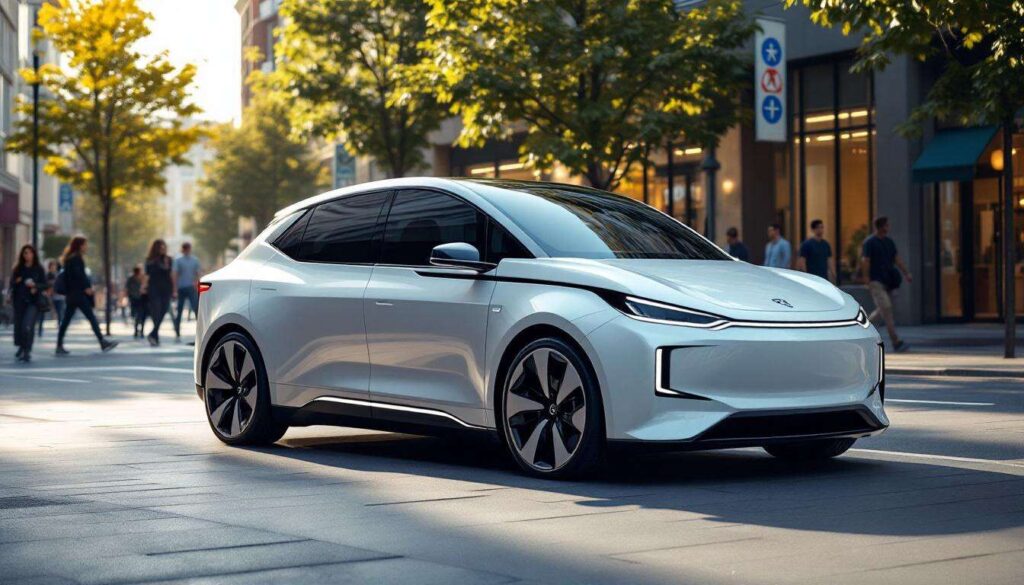
Electric vehicles have transformed personal transportation economics, offering substantial cost advantages over traditional petrol and diesel cars. The initial purchase price may appear daunting, but the operational expenses tell a different story. Drivers who switch to electric mobility quickly discover that their daily running costs drop dramatically, making these vehicles increasingly attractive from a purely financial perspective. The combination of lower energy costs, reduced maintenance requirements, and various government incentives creates a compelling case for electric vehicle ownership that extends well beyond environmental considerations.
Fuel savings
Cost per kilometre comparison
The most immediate financial benefit of electric vehicle ownership becomes apparent at the charging point. Electricity costs considerably less than petrol or diesel per kilometre travelled. Charging at home during off-peak hours can reduce costs to approximately 3 to 5 pence per mile, whilst petrol vehicles typically cost between 12 and 18 pence per mile depending on fuel prices and vehicle efficiency. This represents a saving of roughly 70 to 80 per cent on fuel expenses alone.
| Vehicle type | Cost per mile | Annual cost (10,000 miles) |
|---|---|---|
| Electric vehicle (home charging) | 3-5p | £300-£500 |
| Petrol vehicle | 12-18p | £1,200-£1,800 |
| Diesel vehicle | 10-15p | £1,000-£1,500 |
Energy efficiency advantages
Electric motors convert approximately 90 per cent of electrical energy into motion, whilst internal combustion engines manage only 20 to 30 per cent efficiency. This fundamental engineering difference means that even when electricity prices fluctuate, electric vehicles maintain their cost advantage. The regenerative braking systems in electric vehicles further enhance efficiency by recovering energy during deceleration, effectively extending range and reducing overall energy consumption.
Beyond pure fuel costs, drivers benefit from predictable charging expenses that can be optimised through smart tariffs and home charging schedules. These savings accumulate significantly over the vehicle’s lifetime, offsetting the higher initial purchase price within just a few years of ownership.
Reduction in maintenance costs
Simplified mechanical systems
Electric vehicles contain far fewer moving parts than their combustion counterparts, resulting in substantially lower maintenance requirements. There is no need for oil changes, spark plug replacements, timing belt services, or exhaust system repairs. The absence of a traditional gearbox eliminates clutch replacements and transmission servicing. These simplifications translate directly into reduced service costs and fewer visits to the garage.
Components requiring less frequent attention
Brake systems in electric vehicles last considerably longer due to regenerative braking, which handles much of the deceleration work. Many electric vehicle owners report brake pads lasting over 100,000 miles. The main maintenance items become:
- Tyre rotation and replacement
- Windscreen washer fluid top-ups
- Cabin air filter changes
- Brake fluid replacement (less frequent than conventional vehicles)
- Coolant system checks
Annual service costs for electric vehicles typically range from £100 to £200, compared to £300 to £600 for petrol or diesel vehicles. Over a decade of ownership, this difference amounts to thousands of pounds in savings. The reliability of electric drivetrains also means fewer unexpected breakdowns and associated repair costs, providing additional financial peace of mind.
These maintenance advantages become particularly pronounced as vehicles age, when traditional cars require increasingly expensive repairs to engines, transmissions, and exhaust systems.
Impact of electricity rates
Variable pricing strategies
Electricity costs vary significantly depending on when and where charging occurs. Home charging during off-peak periods offers the most economical option, with some energy suppliers providing dedicated electric vehicle tariffs featuring rates as low as 5 to 7 pence per kilowatt-hour overnight. Standard daytime rates typically range from 20 to 30 pence per kilowatt-hour, whilst public rapid charging can cost 40 to 70 pence per kilowatt-hour.
Optimising charging expenses
Strategic charging behaviour maximises cost efficiency. Smart charging systems automatically schedule charging during the cheapest rate periods, and many vehicles allow owners to set charging times through smartphone applications. Solar panel owners can further reduce costs by charging vehicles with self-generated electricity, potentially bringing fuel costs close to zero.
Even with potential electricity price increases, electric vehicles maintain their economic advantage because internal combustion fuel prices typically rise proportionally or faster. The ability to charge at home provides insulation from public charging network price fluctuations and offers greater control over energy expenses than drivers of conventional vehicles experience at petrol stations.
Subsidies and tax incentives
Government support schemes
Various financial incentives reduce the effective cost of electric vehicle ownership. The UK government offers grants for home charging point installation, covering up to 75 per cent of costs. Company car tax benefits remain particularly attractive, with electric vehicles subject to minimal benefit-in-kind rates compared to petrol and diesel alternatives. Zero vehicle excise duty for fully electric cars provides additional annual savings.
Regional and local benefits
Many local authorities provide additional incentives:
- Free or reduced-cost parking in city centres
- Exemption from congestion charges and clean air zones
- Access to bus lanes in certain areas
- Reduced parking permit costs for residents
These benefits vary by location but can add hundreds of pounds in annual savings for urban drivers. Business owners benefit from enhanced capital allowances, allowing accelerated depreciation of electric vehicle purchases against taxable profits.
The cumulative effect of these incentives substantially reduces the total cost of ownership, making electric vehicles financially competitive even before considering fuel and maintenance savings.
Sustainability and resale value
Battery longevity considerations
Modern electric vehicle batteries demonstrate impressive durability, with most manufacturers offering warranties of eight years or 100,000 miles. Real-world data shows that battery degradation typically remains below 10 per cent after five years of use. This longevity ensures that electric vehicles retain functionality and value longer than initially anticipated, alleviating concerns about expensive battery replacements.
Depreciation patterns
Electric vehicle depreciation has stabilised considerably as the technology matures and consumer confidence grows. Residual values now compare favourably with conventional vehicles, particularly for models from established manufacturers. The increasing demand for used electric vehicles, driven by buyers seeking affordable entry into electric mobility, supports stronger resale prices.
Future-proofing also plays a role in value retention, as cities implement stricter emissions regulations that may restrict or penalise internal combustion vehicles whilst favouring electric alternatives.
Comparison with internal combustion vehicles
Total cost of ownership analysis
Comprehensive financial comparison requires examining all ownership costs over a typical vehicle lifecycle. Whilst electric vehicles command higher purchase prices, the total cost of ownership often proves lower after three to five years. A typical calculation includes purchase price, fuel costs, maintenance expenses, insurance, road tax, and depreciation.
| Cost category | Electric vehicle (5 years) | Petrol vehicle (5 years) |
|---|---|---|
| Purchase price | £35,000 | £28,000 |
| Fuel costs | £2,000 | £7,500 |
| Maintenance | £750 | £2,500 |
| Road tax | £0 | £900 |
| Total expenditure | £37,750 | £38,900 |
Break-even timeline
Most electric vehicle owners reach financial break-even within four to six years, after which the cumulative savings accelerate. High-mileage drivers achieve break-even considerably faster due to greater fuel savings. Company car drivers benefit almost immediately due to favourable tax treatment.
The financial case strengthens further when considering the improving charging infrastructure, declining battery costs, and increasing efficiency of new models entering the market.
Electric vehicles deliver compelling economic advantages that extend far beyond environmental benefits. The combination of dramatically reduced fuel costs, minimal maintenance requirements, and various government incentives creates substantial savings for daily users. Whilst purchase prices remain higher than equivalent petrol or diesel vehicles, the total cost of ownership proves competitive within just a few years. Strategic charging behaviour, particularly utilising off-peak home charging, maximises these benefits. As battery technology continues improving and charging infrastructure expands, the financial case for electric vehicle ownership strengthens further. Drivers seeking to reduce their motoring expenses whilst embracing cleaner technology will find electric vehicles offer a practical and economically sound solution.