


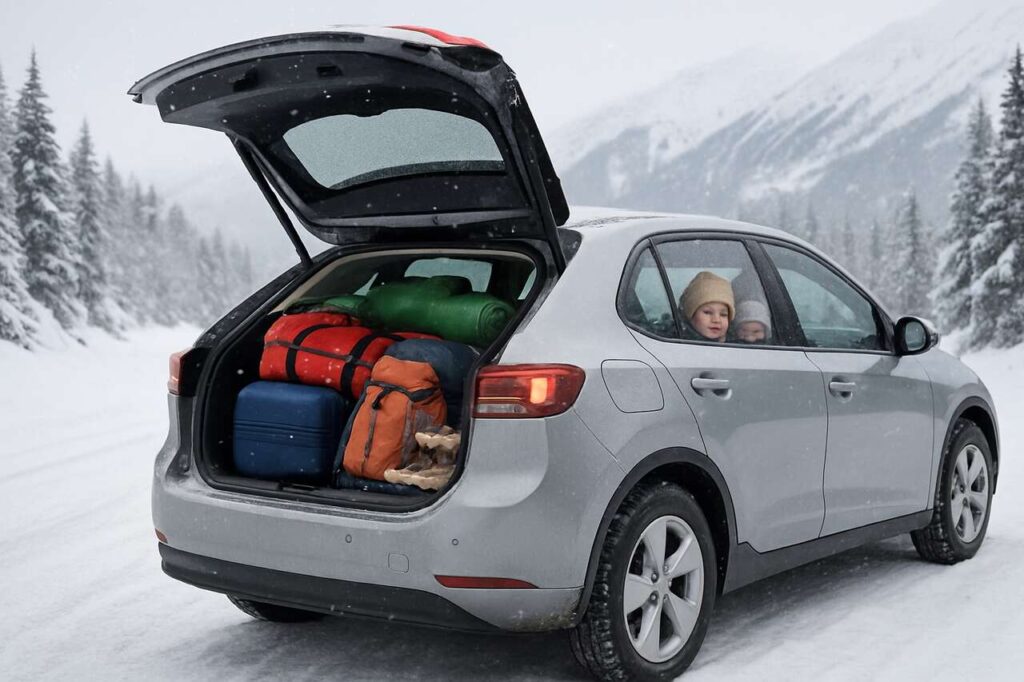
Electric vehicles have surged in popularity across British roads, yet their performance during harsh winter conditions remains a topic of considerable debate. When temperatures plummet and families pack their boots for festive getaways, questions arise about whether these modern machines can truly deliver the same reliability as their petrol-powered counterparts. The combination of freezing weather, heavy loads, and demanding heating requirements creates a perfect storm of challenges that tests the capabilities of battery-powered transport.
The impact of cold on electric car batteries
Lithium-ion batteries, the powerhouse behind electric vehicles, experience significant performance degradation when exposed to freezing temperatures. Chemical reactions within the cells slow dramatically, reducing the battery’s ability to deliver and accept charge efficiently.
How temperature affects battery chemistry
At temperatures below zero degrees Celsius, the electrolyte fluid inside battery cells becomes more viscous, impeding the movement of lithium ions between the anode and cathode. This phenomenon can reduce available capacity by anywhere from twenty to forty percent, depending on the severity of the cold. Research conducted by automotive organisations has demonstrated that a vehicle achieving three hundred miles of range in mild conditions might struggle to exceed two hundred miles when the mercury drops.
Cold-soaking and its consequences
When an electric car sits outdoors overnight in sub-zero temperatures, the battery pack undergoes what engineers call cold-soaking. This process affects not only immediate range but also charging speeds, as the battery management system restricts power flow to protect the cells from damage. Drivers may notice:
- Reduced acceleration response during initial journeys
- Extended charging times at rapid chargers
- Increased energy consumption to warm the battery to optimal operating temperature
- Temporary loss of regenerative braking efficiency
Understanding these battery behaviours becomes essential for anyone planning extended winter journeys, particularly when carrying passengers and luggage that add further demands to the system.
Cabin heating: a challenge for range
Unlike combustion engines that generate abundant waste heat, electric vehicles must draw power directly from the battery to warm the cabin, creating a substantial drain on available range.
The energy cost of staying warm
Traditional resistive heating systems can consume between three and five kilowatts of power continuously, which translates to a significant portion of the battery’s capacity on longer journeys. For a family travelling with children in the back seats, maintaining comfortable temperatures throughout the cabin becomes non-negotiable, yet this comfort comes at a measurable cost to overall range.
| Heating method | Power consumption | Impact on range |
|---|---|---|
| Resistive heating | 3-5 kW | Up to 30% reduction |
| Heat pump | 1-2 kW | 10-15% reduction |
| Seat and steering wheel heaters | 0.1-0.3 kW | Minimal impact |
Heat pump technology: a partial solution
Modern electric vehicles increasingly feature heat pump systems that operate more efficiently than traditional resistive heaters. These devices work by extracting thermal energy from the outside air, even in cold conditions, and amplifying it for cabin heating. Whilst not a complete solution to winter range anxiety, heat pumps can reduce heating-related energy consumption by approximately fifty percent compared to resistive elements.
The question of cabin comfort naturally extends to considerations about the physical space available for passengers and their belongings during extended trips.
Storage space and passenger comfort: are electric vehicles ready ?
The placement of battery packs beneath the floor has created both opportunities and challenges for interior packaging in electric vehicles.
Boot capacity and practical considerations
Many electric vehicles offer competitive boot space compared to conventional cars, with some models providing additional storage in front compartments where engines once resided. However, the reality of winter travel often involves bulky items:
- Winter sports equipment including skis and snowboards
- Heavy coats and boots for multiple passengers
- Emergency supplies such as blankets and recovery equipment
- Shopping and gifts during festive periods
Manufacturers have responded by designing versatile storage solutions, including split-folding rear seats and underfloor compartments, though the weight of additional cargo inevitably affects range calculations.
Passenger comfort during extended journeys
The flat floor created by battery placement often results in improved rear legroom and a more spacious cabin feel. However, families must balance comfort with the knowledge that each additional passenger and kilogram of luggage reduces the distance achievable on a single charge. This calculation becomes particularly critical when planning routes through areas with limited charging infrastructure.
Fortunately, the expansion of charging networks has begun to address some of these range concerns for winter travellers.
Charging infrastructure: an ally for long journeys
The strategic placement of rapid charging stations along major motorways has transformed the feasibility of long-distance electric travel, even during challenging winter months.
The current state of charging networks
Britain’s charging infrastructure has expanded considerably, with rapid chargers capable of delivering fifty kilowatts or more now common at motorway services. Ultra-rapid units offering one hundred and fifty kilowatts or higher can restore significant range in twenty to thirty minutes, though winter conditions may extend these times due to battery temperature management.
Planning winter journeys around charging stops
Successful winter road trips in electric vehicles require strategic planning that accounts for reduced range and potential charging delays. Experienced drivers recommend:
- Identifying multiple charging options along the route
- Planning stops at intervals shorter than maximum range allows
- Checking real-time charger availability through mobile applications
- Allowing extra time for charging sessions in cold weather
The psychological adjustment to planned charging stops represents a significant shift from traditional fuel stops, yet many drivers report that these breaks align well with family needs for rest and refreshment.
Beyond infrastructure, drivers have developed numerous techniques to maximise their vehicles’ winter performance.
Strategies to optimise range in winter
Practical approaches to managing energy consumption can significantly extend the usable range of electric vehicles during cold weather operations.
Pre-conditioning: the secret weapon
One of the most effective strategies involves warming the battery and cabin whilst the vehicle remains connected to mains power. This pre-conditioning process ensures that the car begins its journey with a warm battery at optimal operating temperature and a comfortable cabin, without consuming range from the main battery pack. Most modern electric vehicles offer scheduled pre-conditioning through smartphone applications.
Driving technique adjustments
Adapting driving style for winter conditions can yield substantial range improvements:
- Maintaining moderate speeds reduces aerodynamic drag and energy consumption
- Gentle acceleration preserves battery charge
- Anticipating stops maximises regenerative braking recovery
- Using eco driving modes that limit power delivery and optimise climate control
Smart use of heating systems
Rather than heating the entire cabin to high temperatures, targeted heating solutions prove more efficient. Heated seats and steering wheels consume minimal power whilst providing direct warmth to occupants. Setting the climate control to a moderate temperature and relying on seat heaters can reduce overall energy consumption substantially.
These theoretical strategies gain credibility when examined through the lens of real-world experiences from drivers who have navigated winter conditions in electric vehicles.
Driver experiences: testimonies of winter conditions
Accounts from electric vehicle owners who regularly undertake winter journeys provide valuable insights into practical realities beyond manufacturer specifications.
Family road trip experiences
Sarah Thompson, a mother of three from Manchester, shares her experience driving an electric SUV to Scotland during February half-term: “The range dropped more than expected, perhaps thirty percent, but planning charging stops around meal breaks meant the children barely noticed. Pre-heating the car before departure made a tremendous difference to our morning routine.”
Lessons from challenging conditions
Commercial drivers and taxi operators offer particularly relevant perspectives due to their extensive mileage in varied conditions. Many report that after an initial adjustment period, winter driving becomes routine with proper planning. Common observations include:
- Range estimates become more accurate after the first winter season
- Charging infrastructure reliability matters more than absolute range
- Battery performance recovers completely when temperatures rise
- Modern vehicles handle winter conditions far better than earlier models
These real-world testimonies suggest that whilst electric vehicles face genuine challenges in winter conditions, informed drivers equipped with appropriate strategies can successfully navigate cold-weather journeys with families and full boots.
Electric vehicles have demonstrated that they can serve as capable winter transport, though success requires understanding their limitations and adapting accordingly. Battery performance does decline in freezing temperatures, and cabin heating demands careful energy management, yet modern technology such as heat pumps and improved thermal management systems continue to narrow the gap with conventional vehicles. The expansion of charging infrastructure has made long journeys increasingly practical, whilst pre-conditioning and smart driving techniques allow families to optimise available range. Real-world experiences confirm that electric cars can indeed handle winter road trips, provided drivers approach these journeys with realistic expectations and proper planning.