
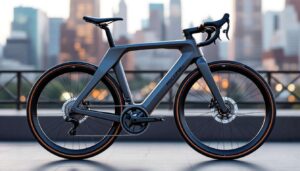


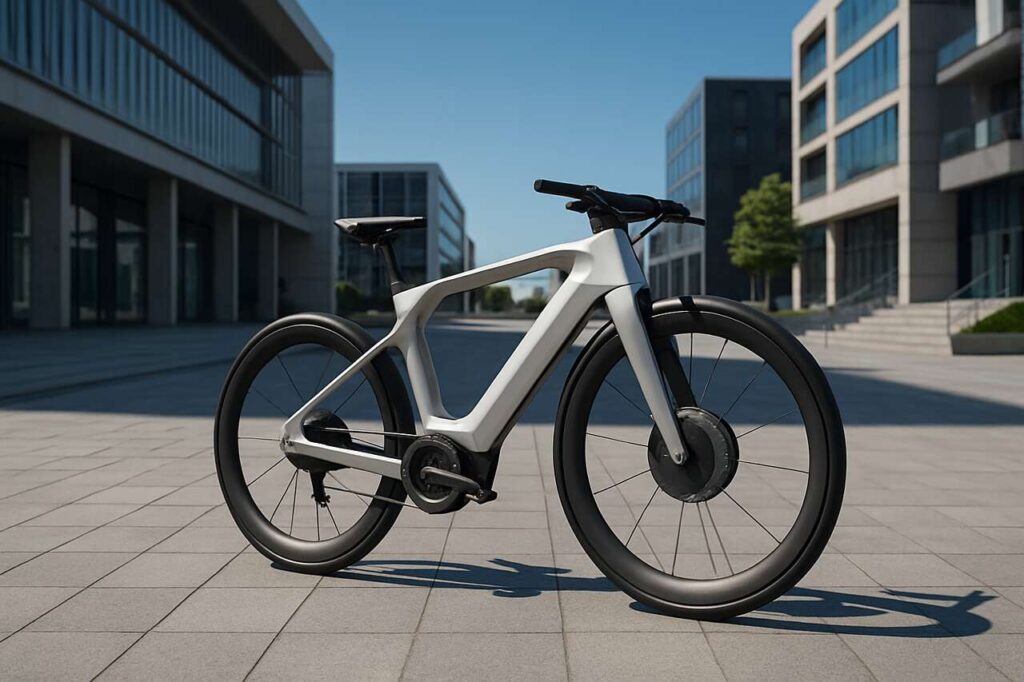
The humble bicycle has transformed dramatically since its inception, evolving from a simple mechanical device into a sophisticated mode of transport that continues to challenge conventional design principles. As cities grapple with congestion, pollution and the urgent need for sustainable transport solutions, the bicycle stands at a crossroads. Engineers, designers and urban planners are reimagining what cycling could become, pushing boundaries that extend far beyond the traditional diamond-frame design that has dominated for over a century.
The technological evolution of bicycles
From penny-farthings to smart bikes
The bicycle’s journey reflects humanity’s relentless pursuit of efficiency and innovation. The early velocipedes of the 19th century bore little resemblance to contemporary machines, yet they established fundamental principles that remain relevant. The introduction of the safety bicycle in the 1880s revolutionised personal transport, whilst pneumatic tyres and derailleur gears subsequently enhanced comfort and versatility.
Modern bicycles now incorporate technologies that would have seemed fantastical mere decades ago. Integrated sensors monitor performance metrics, GPS systems provide navigation assistance, and electronic shifting systems deliver precision gear changes. These advancements represent more than incremental improvements; they signal a fundamental shift in how we conceptualise the bicycle as a connected device within broader transport ecosystems.
Materials science reshaping bicycle design
Contemporary bicycle construction employs materials that challenge traditional manufacturing paradigms:
- Carbon fibre composites offering exceptional strength-to-weight ratios
- Titanium alloys providing durability and corrosion resistance
- Advanced aluminium formulations balancing affordability and performance
- Experimental graphene applications promising revolutionary properties
These materials enable designers to explore unconventional geometries and structures that depart from established norms, suggesting that the bicycle’s physical form remains far from finalised.
This technological foundation sets the stage for perhaps the most transformative development in recent cycling history: the integration of electric assistance systems.
The electrification of cycles: a major turning point
E-bikes redefining accessibility
Electric bicycles have dismantled barriers that previously excluded countless individuals from cycling. The democratising effect of pedal-assist technology cannot be overstated, enabling older riders, those with physical limitations, and commuters facing challenging terrain to embrace cycling as a practical transport option.
| E-bike Advantage | Impact on Adoption |
|---|---|
| Extended range capability | Commutes up to 50km become feasible |
| Hill-climbing assistance | Topography no longer limits route choice |
| Reduced physical exertion | Arrival without excessive perspiration |
| Cargo-carrying capacity | Replacement of car trips for errands |
Battery technology and integration challenges
The performance ceiling of electric bicycles depends largely on battery technology advancement. Current lithium-ion systems provide adequate range for most applications, yet research into solid-state batteries and alternative chemistries promises substantial improvements in energy density, charging speed and longevity.
Integration remains a design challenge, with manufacturers striving to incorporate electrical components without compromising aesthetics or handling characteristics. The most successful implementations render the electric assistance almost invisible, maintaining the bicycle’s essential character whilst enhancing its capabilities.
As electrification reshapes individual bicycles, broader urban transformations are simultaneously creating environments where cycling can flourish.
The role of urban mobility in the rise of cycling
Infrastructure investment driving behavioural change
Cities worldwide are recognising that dedicated cycling infrastructure represents essential investment rather than optional amenity. Protected cycle lanes, traffic-calmed neighbourhoods and bike-priority traffic signals create environments where cycling feels safe and convenient, encouraging modal shift from private vehicles.
The Netherlands and Denmark demonstrate that comprehensive cycling infrastructure generates self-reinforcing adoption cycles. As more people cycle, political will for further investment strengthens, creating virtuous circles that transform urban transport landscapes.
Micro-mobility ecosystems emerging
Bicycles increasingly function within integrated transport systems rather than as isolated solutions:
- Bike-sharing schemes providing flexible access without ownership burdens
- Secure parking facilities at transport hubs enabling multi-modal journeys
- Digital platforms coordinating various transport options seamlessly
- Policy frameworks prioritising active travel in planning decisions
This systemic approach acknowledges that cycling’s future depends not merely on bicycle design but on creating supportive ecosystems that make cycling the rational choice for countless journeys.
Within these evolving urban environments, particular bicycle formats are proving especially well-suited to contemporary needs.
Folding bikes and their impact on daily life
Solving the last-mile problem
Folding bicycles address a critical challenge in urban transport: bridging gaps between fixed public transport nodes and final destinations. Their portability transforms multi-modal journeys from logistical nightmares into seamless experiences, enabling commuters to combine train, bus and bicycle travel without restriction.
Modern folding mechanisms achieve remarkable compactness whilst maintaining structural integrity and ride quality. Premium models fold in seconds to packages small enough for under-desk storage or overhead luggage racks, eliminating concerns about theft or weather exposure.
Design innovations in compact cycles
Engineers have developed ingenious solutions to the inherent compromises of folding bicycles. Small wheels, once synonymous with uncomfortable rides, now feature sophisticated suspension systems and high-pressure tyres that deliver surprisingly capable performance. Adjustable components accommodate diverse rider physiques, whilst integrated lighting and carrying systems enhance practical utility.
The folding bicycle represents more than a niche product; it exemplifies how thoughtful design can expand cycling’s applicability to contexts where conventional bicycles prove impractical.
Beyond functional innovations, fundamental questions about bicycle construction are driving equally significant developments.
Sustainable innovation: materials and manufacturing
Environmental considerations reshaping production
The cycling industry confronts mounting pressure to align manufacturing practices with the environmental benefits that bicycles deliver in use. Carbon fibre production remains energy-intensive, prompting exploration of bio-based composites and recycled materials that reduce ecological footprints without compromising performance.
Manufacturers are investigating:
- Bamboo and wood composites offering renewable alternatives
- Recycled aluminium reducing extraction impacts
- Local manufacturing minimising transportation emissions
- Modular designs facilitating repair and component replacement
Circular economy principles in bicycle design
The concept of designed longevity challenges planned obsolescence that pervades consumer products. Bicycles constructed for decades of service, with standardised components enabling straightforward maintenance and upgrades, represent a fundamentally different approach to manufacturing.
Some manufacturers now offer take-back programmes, refurbishing and reselling used bicycles or reclaiming materials for new production. This circular approach acknowledges that true sustainability extends beyond use-phase benefits to encompass entire product lifecycles.
These material and manufacturing innovations require supportive infrastructure to realise their full potential.
The futuristic vision of cycling infrastructures
Beyond painted lanes: protected networks
Future cycling infrastructure will likely bear little resemblance to the tokenistic painted lanes that characterise many current installations. Physically separated networks, elevated cycle highways and underground routes in congested urban cores represent investments that signal genuine commitment to cycling as primary transport.
Copenhagen’s elevated cycle highway and London’s expanding Cycleways demonstrate that ambitious infrastructure projects can achieve rapid adoption when designed with user experience as paramount consideration. These facilities prioritise directness, surface quality and separation from motor traffic, creating environments where cycling feels instinctive.
Smart infrastructure and connected cycling
Technology integration extends beyond bicycles themselves to the infrastructure supporting them. Intelligent traffic signals that detect approaching cyclists and adjust timing accordingly, real-time information displays showing route conditions, and automated parking systems maximising space efficiency represent the convergence of cycling and smart city initiatives.
| Infrastructure Innovation | Benefit Delivered |
|---|---|
| Heated cycle paths | Year-round usability in cold climates |
| Solar-powered lighting | Enhanced safety without grid connection |
| Predictive maintenance systems | Proactive surface repairs preventing hazards |
| Integrated air quality monitoring | Route guidance avoiding pollution hotspots |
These infrastructure visions suggest that cycling’s future depends as much on the environments we create as on the machines we ride through them.
The bicycle’s trajectory points towards a future that transcends current paradigms. Technological sophistication, electrification, urban planning evolution, innovative formats, sustainable manufacturing and visionary infrastructure collectively suggest that cycling will continue adapting to meet emerging needs. Rather than reaching a final form, the bicycle remains a dynamic concept, responsive to societal demands and technological possibilities. The question is not whether cycling will evolve beyond today’s popular concepts, but how rapidly and radically that transformation will unfold as we navigate towards more sustainable, liveable urban futures.