

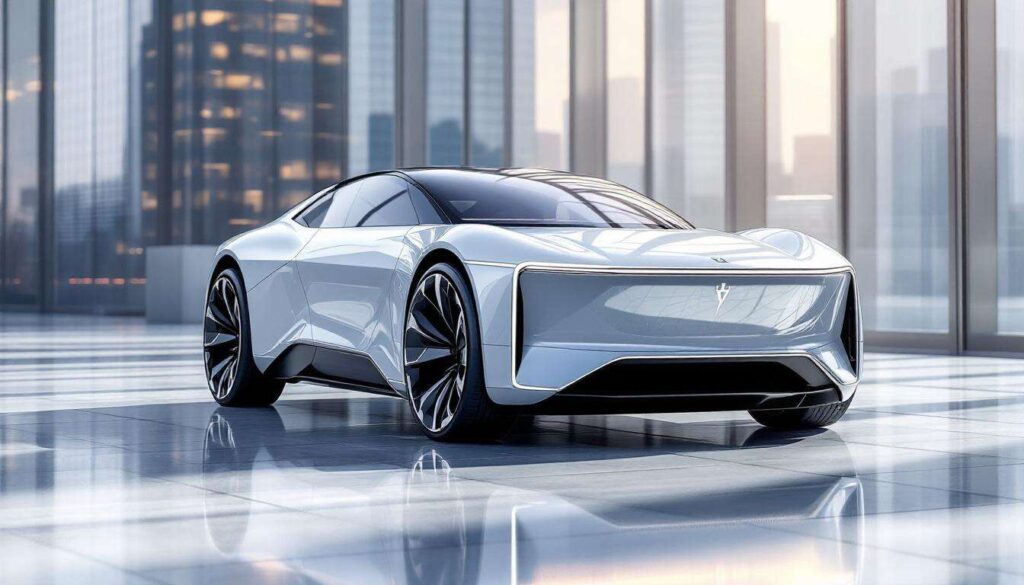
Chinese automotive manufacturers have sparked controversy across global markets with vehicles marketed as fully electric that contain hidden combustion engines. These so-called “fake” electric cars blur the boundaries between pure battery-electric vehicles and conventional hybrids, raising questions about transparency, regulatory compliance, and competitive advantage. As international scrutiny intensifies, the automotive industry faces a critical examination of what truly defines an electric vehicle and how manufacturers leverage technical classifications to penetrate lucrative markets whilst circumventing stringent regulations.
Introduction to the “fake” Chinese electric cars
Defining the phenomenon of masked vehicles
The term “fake” electric cars refers to vehicles presented primarily as battery-electric models but incorporating range-extending combustion engines that fundamentally alter their classification. Unlike conventional plug-in hybrids openly marketed with dual powertrains, these vehicles emphasise electric credentials whilst downplaying internal combustion components. Several Chinese manufacturers have adopted this approach, creating vehicles that technically qualify as extended-range electric vehicles (EREVs) but are promoted with messaging that suggests pure electric operation.
The distinction becomes particularly contentious when examining how these vehicles function in real-world conditions:
- The combustion engine activates during extended journeys or when battery charge depletes
- Marketing materials emphasise electric range whilst minimising references to petrol components
- Vehicle classification varies significantly across different regulatory jurisdictions
- Consumer perception often aligns with pure electric vehicles despite hybrid architecture
Key manufacturers employing this strategy
Several prominent Chinese automotive brands have embraced the extended-range electric vehicle configuration. Li Auto has built its entire product portfolio around this technology, with models such as the Li L9 and Li L7 achieving substantial commercial success. Nio and Xpeng have explored similar configurations, though with varying degrees of transparency in their marketing approaches. These manufacturers argue that range-extending technology addresses consumer anxiety about battery limitations whilst maintaining environmental credentials.
This strategic positioning has enabled these brands to compete effectively against both traditional automotive manufacturers and pure electric vehicle specialists, creating a distinctive market segment that challenges conventional categorisation. The ambiguity surrounding these vehicles naturally leads to examining the broader trend of hybrid models disguised within electric vehicle narratives.
The rise of masked hybrid models
Technical architecture of extended-range vehicles
Extended-range electric vehicles employ a series hybrid configuration where the combustion engine functions exclusively as a generator rather than directly powering the wheels. This technical distinction allows manufacturers to claim electric drivetrain primacy whilst maintaining fossil fuel backup capability. The battery pack typically provides between 150 and 200 kilometres of pure electric range, with the petrol engine extending total range to 800 kilometres or beyond.
| Component | Function | Capacity |
|---|---|---|
| Battery pack | Primary power source | 40-50 kWh |
| Electric motor | Sole drivetrain power | 200-300 kW |
| Petrol engine | Generator only | 1.5 litres |
| Fuel tank | Range extension | 45-55 litres |
Marketing narratives and consumer perception
The promotional strategies employed by manufacturers emphasise electric performance characteristics including instant torque, silent operation, and zero tailpipe emissions during battery operation. Combustion components receive minimal attention in advertising materials, with technical specifications often relegated to footnotes or detailed specification sheets. This selective emphasis creates consumer perception aligned with pure battery-electric vehicles despite fundamental architectural differences.
Consumer research indicates significant confusion regarding vehicle classification, with many purchasers believing they have acquired fully electric vehicles. This perception gap has prompted regulatory authorities in multiple jurisdictions to demand clearer labelling and more transparent marketing practices. Understanding these marketing approaches provides essential context for examining the economic motivations driving this strategic positioning.
Economic strategies behind fake electric cars
Subsidy exploitation and regulatory arbitrage
Chinese manufacturers have strategically positioned extended-range vehicles to qualify for new energy vehicle subsidies designed to accelerate electric vehicle adoption. By meeting technical criteria for electric classification whilst incorporating combustion backup, these vehicles capture financial incentives intended for pure battery-electric models. Government subsidies have historically provided substantial per-vehicle payments, creating powerful economic incentives for manufacturers to blur classification boundaries.
The regulatory arbitrage extends beyond direct subsidies to include:
- Exemption from urban driving restrictions applied to conventional vehicles
- Preferential licence plate allocation in cities with quota systems
- Reduced taxation compared to traditional internal combustion vehicles
- Access to dedicated electric vehicle parking and charging infrastructure
Production cost advantages
Extended-range architecture offers significant manufacturing economies compared to pure battery-electric vehicles. The smaller battery pack reduces the single most expensive component whilst the simple petrol generator adds relatively modest cost. This configuration enables competitive pricing whilst maintaining acceptable profit margins, particularly important for manufacturers seeking volume sales in price-sensitive market segments.
These economic considerations have profound implications for how these vehicles reshape competitive dynamics within the broader automotive sector.
Impact on the international car market
Market share disruption in key segments
Chinese extended-range vehicles have captured substantial market share within domestic premium segments, with Li Auto achieving monthly sales exceeding 40,000 units. This success has disrupted traditional luxury manufacturers whilst simultaneously pressuring pure electric vehicle specialists. The competitive impact extends beyond China as manufacturers explore international expansion, particularly within markets offering electric vehicle incentives without stringent classification requirements.
Regulatory responses across jurisdictions
International regulatory authorities have adopted divergent approaches to extended-range vehicle classification. European Union regulations increasingly distinguish between pure battery-electric and range-extended configurations, with corresponding differences in incentive eligibility. The United Kingdom has implemented clearer labelling requirements, whilst other jurisdictions maintain ambiguous classifications that enable continued marketing ambiguity.
These regulatory developments naturally prompt responses from established automotive manufacturers facing this unconventional competitive challenge.
Competitors’ reactions to Chinese innovations
Traditional manufacturers’ strategic responses
Established automotive brands have responded with mixed strategies, some dismissing extended-range architecture as transitional technology whilst others explore similar configurations. BMW previously offered range-extended models but discontinued them in favour of pure battery-electric development. Conversely, several manufacturers have reconsidered this decision as Chinese competitors demonstrate commercial viability of the approach.
Pure electric vehicle specialists’ positioning
Companies committed exclusively to battery-electric architecture, including Tesla and various European specialists, have emphasised the compromised nature of hybrid solutions. Their messaging highlights superior environmental credentials, simpler mechanical architecture, and alignment with long-term decarbonisation objectives. This positioning seeks to maintain clear differentiation whilst regulatory frameworks evolve to address classification ambiguities.
These competitive dynamics shape the trajectory of electric vehicle development and market positioning strategies moving forward.
Future of electric vehicles in China and beyond
Regulatory evolution and classification clarity
Regulatory authorities globally are developing more precise classification frameworks that distinguish extended-range vehicles from pure battery-electric models. Chinese government policies have begun reducing subsidies for range-extended configurations whilst maintaining support for pure electric vehicles. This policy evolution suggests official recognition that extended-range technology represents a transitional solution rather than the ultimate decarbonisation pathway.
Technology development trajectories
Battery technology advancement continues reducing the practical appeal of range-extended architecture. Improved energy density, faster charging infrastructure, and declining battery costs address the range anxiety that originally justified combustion backup systems. Most industry analysts anticipate extended-range vehicles will occupy a diminishing market niche as pure battery-electric technology matures and charging networks expand.
The strategic question facing manufacturers centres on whether extended-range architecture represents a valuable bridging technology or a distraction from necessary investment in pure electric capabilities. Market dynamics suggest consumers increasingly demand genuine electric vehicles as infrastructure concerns diminish and environmental awareness intensifies.
The controversy surrounding Chinese “fake” electric cars highlights fundamental tensions within automotive industry transformation. Extended-range vehicles exploit classification ambiguities whilst addressing legitimate consumer concerns about range limitations. Regulatory frameworks are evolving to demand greater transparency, whilst technological advancement reduces the practical justification for combustion backup systems. Chinese manufacturers have demonstrated commercial success with this approach, forcing competitors to reconsider assumptions about optimal electrification pathways. The ultimate resolution will depend on regulatory clarity, consumer preferences, and the pace of battery technology development, determining whether range-extended vehicles represent innovative pragmatism or misleading compromise within the transition towards sustainable mobility.