


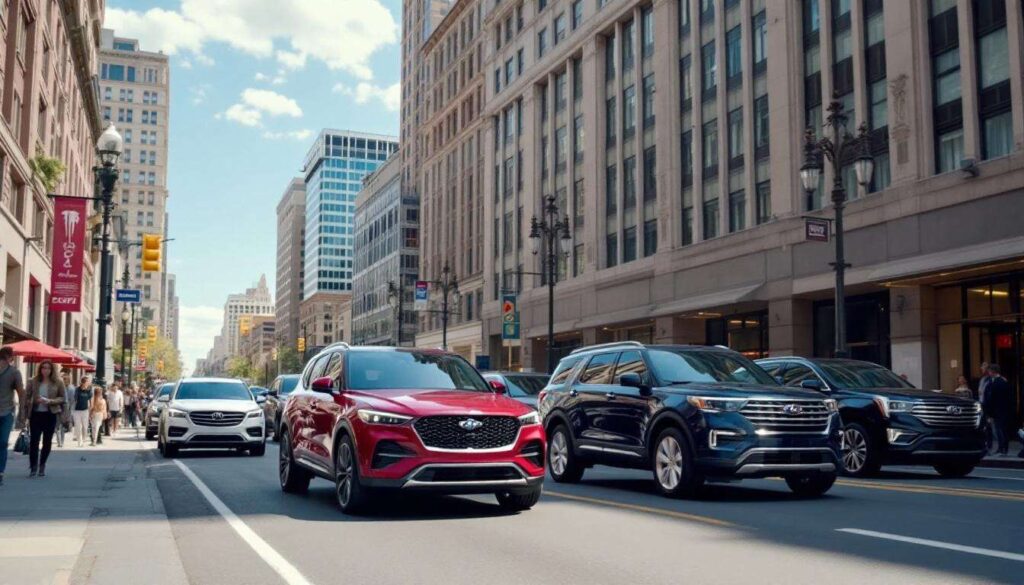
The SUV market has evolved dramatically, with manufacturers now offering vehicles that challenge traditional expectations of what an affordable family car can deliver. While premium badges once dominated the segment with eye-watering price tags, a new generation of sport utility vehicles is rewriting the rules. These models combine practicality with surprising levels of refinement, performance, and technology—all without requiring a second mortgage. From nimble compact crossovers to spacious seven-seaters, the current landscape reveals that exceptional value and impressive capabilities are no longer mutually exclusive.
The surprising SUVs on today’s market
Redefining expectations in the mainstream segment
The contemporary SUV market features several models that consistently exceed buyer expectations. The MG HS, for instance, delivers a remarkably comprehensive package at a price point that undercuts many rivals by thousands of pounds. Similarly, the Dacia Duster has transformed from a budget option into a genuinely compelling choice, offering robust build quality and genuine off-road capability that shames more expensive competitors.
What makes these vehicles particularly noteworthy is their ability to deliver features typically reserved for premium segments:
- Comprehensive safety systems including autonomous emergency braking and lane-keeping assistance
- Sophisticated infotainment platforms with smartphone integration
- Quality interior materials that rival those found in vehicles costing significantly more
- Generous warranty packages that provide peace of mind
Market disruptors changing the game
Korean manufacturers have particularly excelled in this arena. The Kia Sportage and Hyundai Tucson represent exceptional value propositions, combining striking aesthetics with extensive equipment lists and industry-leading warranties. These vehicles demonstrate that affordability need not mean compromise, offering refinement levels that genuinely rival established premium brands.
Understanding which models offer the best value requires examining not just purchase price but overall ownership costs and standard equipment levels, which naturally leads to considerations of how these vehicles perform in real-world conditions.
Unexpected performance from affordable models
Power and handling that defies price tags
Performance credentials among affordable SUVs have improved dramatically. The Cupra Formentor, whilst positioned at the upper end of the mainstream market, delivers genuinely thrilling driving dynamics with its turbocharged engines and adaptive chassis. Even more affordable options like the Ford Puma offer surprisingly engaging handling characteristics, with responsive steering and well-controlled body movements that make them genuinely enjoyable to drive.
| Model | 0-62 mph | Power Output | Starting Price |
|---|---|---|---|
| Cupra Formentor | 7.0 seconds | 245 bhp | £33,000 |
| MG HS | 9.6 seconds | 160 bhp | £24,000 |
| Ford Puma | 9.8 seconds | 153 bhp | £26,000 |
Practical performance for everyday driving
Beyond acceleration figures, these SUVs demonstrate impressive real-world capability. The Mazda CX-5 combines responsive handling with excellent ride quality, whilst the Skoda Karoq offers a refined driving experience that belies its modest pricing. These vehicles prove that engaging dynamics and comfortable cruising abilities can coexist within sensible budgets.
However, performance represents just one aspect of the ownership experience, with interior comfort and quality playing equally important roles in daily satisfaction.
Premium comfort at competitive prices
Interior quality that punches above its weight
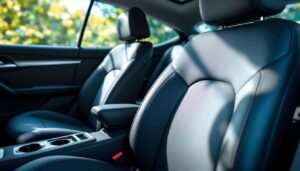
The cabins of today’s affordable SUVs frequently surprise occupants with their refinement and attention to detail. The Peugeot 3008 showcases this perfectly, featuring a distinctive i-Cockpit design with high-quality materials and an upmarket ambience that rivals German premium brands. Soft-touch surfaces, supportive seating, and intuitive layouts create environments that feel far more expensive than their price tags suggest.
Key comfort features now standard across many affordable SUVs include:
- Heated front seats with lumbar adjustment
- Dual-zone climate control for personalised temperature settings
- Panoramic sunroofs that enhance the sense of space
- Acoustic glazing for reduced wind and road noise
- Configurable ambient lighting systems
Space and versatility for family life
Practicality remains a cornerstone of SUV appeal, and affordable models deliver admirably. The SEAT Ateca and Nissan Qashqai offer generous rear legroom and boot capacities that accommodate family holidays without complaint. Flexible seating arrangements and clever storage solutions demonstrate thoughtful engineering that prioritises user needs.
This focus on occupant comfort extends naturally into the technological features that increasingly define modern motoring experiences.
Technology and innovation: a hidden advantage
Advanced systems as standard equipment
The democratisation of automotive technology represents one of the most significant shifts in the SUV segment. Features once exclusive to luxury vehicles now appear as standard equipment on models costing under £30,000. The Renault Austral, for example, includes a sophisticated hybrid powertrain and Google-based infotainment system with impressive voice recognition capabilities.
Technological highlights across affordable SUVs include:
- Adaptive cruise control with stop-and-go functionality
- 360-degree camera systems for effortless parking
- Wireless smartphone charging and connectivity
- Digital driver displays with customisable layouts
- Over-the-air software updates maintaining system currency
Safety technology that protects families
Perhaps most importantly, comprehensive safety systems now come standard across the segment. The Volkswagen T-Roc and Toyota C-HR both feature extensive active safety packages that monitor surroundings, intervene when necessary, and provide reassurance for families. These systems have contributed to significantly improved safety ratings across affordable SUVs.
Whilst technology and safety form crucial considerations, the visual impact of these vehicles also plays a significant role in their appeal.
Bold and modern design
Striking aesthetics without premium pricing
Contemporary affordable SUVs showcase confident and distinctive styling that turns heads. The Hyundai Tucson features dramatic LED lighting signatures and bold sculptural surfaces that create genuine road presence. Similarly, the Kia Sportage employs striking design elements including boomerang-shaped lighting and a distinctive grille that ensure it stands out in crowded car parks.
Design elements contributing to their visual appeal include:
- LED lighting technology creating distinctive signatures
- Contrast roof colours adding personality
- Large alloy wheels enhancing stance and presence
- Sculpted bodywork creating dynamic profiles
- Chrome and gloss black detailing adding premium touches
Personalisation options for individual expression
Manufacturers increasingly recognise that buyers desire personal expression through their vehicle choices. The Citroën C5 Aircross exemplifies this trend, offering extensive colour combinations and customisation packages that allow owners to create distinctive looks. This level of personalisation was previously reserved for premium brands but now extends throughout the mainstream segment.
Aesthetic appeal naturally connects with practical considerations, particularly regarding the costs associated with running these vehicles daily.
Energy consumption: efficiency within reach
Hybrid and electrified options democratised
The proliferation of electrified powertrains across affordable SUVs represents a significant development. The Toyota Yaris Cross and Renault Captur E-Tech deliver impressive fuel economy through sophisticated hybrid systems, whilst models like the MG ZS EV offer fully electric motoring at prices that undercut many conventional SUVs.
| Model | Powertrain | Official Economy | CO₂ Emissions |
|---|---|---|---|
| Toyota Yaris Cross | Hybrid | 62 mpg | 102 g/km |
| MG ZS EV | Electric | 273 miles range | 0 g/km |
| Ford Puma | Mild Hybrid | 53 mpg | 124 g/km |
Real-world efficiency that reduces running costs
Beyond official figures, these vehicles demonstrate genuine efficiency in daily use. Modern turbocharged petrol engines with mild-hybrid assistance, as found in the Suzuki Vitara and Mazda CX-30, deliver respectable economy whilst maintaining responsive performance. This balance ensures that running costs remain manageable without sacrificing driving enjoyment.
The combination of efficient powertrains, comprehensive equipment, and competitive pricing creates compelling ownership propositions. Insurance groups remain reasonable across the segment, whilst strong residual values protect initial investments. Maintenance costs benefit from competitive servicing rates and extended warranty coverage, further enhancing the financial case for these surprising SUVs.
The transformation of the affordable SUV segment demonstrates that exceptional vehicles need not carry premium price tags. From the engaging dynamics of the Ford Puma to the sophisticated technology in the Renault Austral, these models prove that compromise is no longer necessary. Buyers can access impressive performance, premium comfort, advanced safety systems, and striking design without stretching budgets to breaking point. The democratisation of features once reserved for luxury vehicles has created a segment where value and quality coexist harmoniously, making these surprising SUVs genuinely compelling choices for discerning families.