



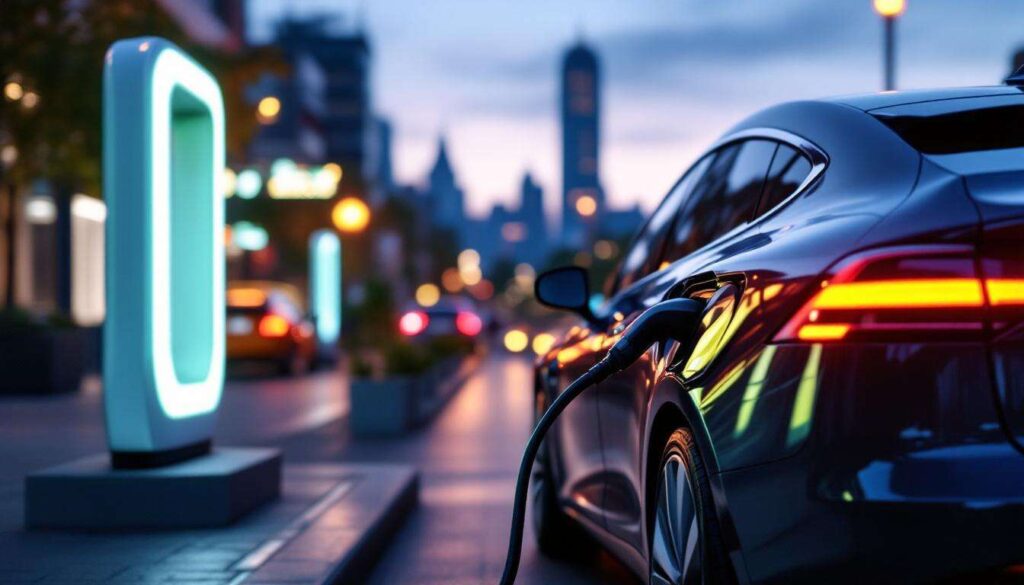
Electric vehicle owners frequently debate whether rapid charging stations harm their batteries more than standard charging methods. As electric mobility continues its global expansion, understanding the relationship between charging speed and battery health has become essential for both current and prospective EV drivers. The question extends beyond simple convenience, touching upon long-term ownership costs, vehicle resale value, and the practical viability of electric transport. Modern lithium-ion batteries power the vast majority of electric vehicles, and their performance characteristics under different charging conditions remain a subject of considerable interest amongst manufacturers, researchers, and consumers alike.
Understanding the principle of fast charging
How fast charging differs from standard charging
Fast charging systems deliver significantly higher electrical current to vehicle batteries compared to conventional charging methods. Whilst a standard home charger typically provides between 3 and 7 kilowatts of power, rapid charging stations can supply anywhere from 50 to 350 kilowatts. This dramatic increase in power delivery enables drivers to replenish their batteries from 20 to 80 per cent capacity in approximately 20 to 40 minutes, depending on the vehicle and charger specifications.
| Charging Type | Power Output | Charging Time (20-80%) |
|---|---|---|
| Standard Home Charging | 3-7 kW | 6-12 hours |
| Fast Charging | 50-150 kW | 30-60 minutes |
| Ultra-Rapid Charging | 150-350 kW | 15-30 minutes |
The chemistry behind rapid power delivery
The fundamental process involves lithium ions moving between the battery’s cathode and anode at accelerated rates. During fast charging, these ions must traverse the electrolyte solution and intercalate into the electrode materials much more rapidly than during slower charging cycles. This accelerated movement generates additional heat and places greater stress on the battery’s internal components. The chemical reactions occurring within the cells must proceed at substantially elevated rates, which can potentially affect the structural integrity of electrode materials over extended periods.
Understanding these principles helps clarify why concerns about battery degradation have emerged, leading to questions about the long-term effects of regular fast charging usage.
Impacts of fast charging on battery lifespan
Heat generation and thermal stress
The most significant challenge associated with rapid charging involves thermal management. When batteries receive high-power inputs, they generate substantial heat through internal resistance. Elevated temperatures accelerate chemical degradation processes within the cells, potentially reducing the battery’s overall capacity over time. Studies have demonstrated that batteries consistently charged at high temperatures experience more pronounced capacity fade compared to those maintained within optimal thermal ranges.
- Increased internal resistance from repeated thermal cycling
- Accelerated electrolyte decomposition at elevated temperatures
- Formation of solid-electrolyte interphase layers on electrodes
- Structural changes to cathode and anode materials
- Reduced lithium-ion mobility within the battery cells
Quantifying the degradation effect
Research conducted by various automotive manufacturers and independent laboratories has produced nuanced findings regarding battery degradation. A comprehensive study tracking thousands of electric vehicles revealed that cars predominantly using fast charging experienced approximately 2-3 per cent additional capacity loss after 100,000 miles compared to vehicles charged primarily through slower methods. However, this difference proved less dramatic than many initially anticipated, suggesting that modern battery management systems effectively mitigate potential damage.
These findings naturally prompt examination of whether commonly held beliefs about battery degradation align with empirical evidence.
Myths and realities about battery degradation
Debunking exaggerated concerns
Several misconceptions have gained traction within the electric vehicle community. The notion that any fast charging session causes immediate, substantial damage represents an oversimplification. Modern electric vehicles incorporate sophisticated thermal management systems, including liquid cooling circuits and intelligent charging algorithms that modulate power delivery based on battery temperature and state of charge. These systems work continuously to protect battery health even during rapid charging sessions.
Realistic expectations for battery longevity
Contemporary lithium-ion batteries typically retain 70-80 per cent of their original capacity after 150,000 to 200,000 miles, regardless of charging habits. The difference between exclusive slow charging and regular fast charging usage amounts to relatively modest variations within this degradation curve. Most manufacturers now warranty their batteries for eight years or 100,000 miles, reflecting confidence in their durability even under varied charging conditions.
| Charging Pattern | Capacity After 100,000 Miles | Estimated Total Lifespan |
|---|---|---|
| Primarily Slow Charging | 88-92% | 200,000+ miles |
| Mixed Charging | 86-90% | 180,000-200,000 miles |
| Frequent Fast Charging | 84-88% | 170,000-190,000 miles |
These realities suggest that whilst fast charging does exert some influence on battery longevity, practical strategies can effectively minimise any negative consequences.
Solutions to minimise the effects of fast charging
Optimal charging practices
Electric vehicle owners can adopt several straightforward strategies to preserve battery health whilst still benefiting from fast charging convenience. Limiting battery charge levels to 80 per cent during rapid charging sessions reduces stress on the cells, as the final 20 per cent requires progressively higher voltages that generate additional heat. Similarly, avoiding fast charging when the battery is extremely cold or hot helps maintain optimal operating conditions.
- Reserve fast charging for longer journeys rather than daily use
- Allow batteries to cool before initiating rapid charging sessions
- Maintain charge levels between 20 and 80 per cent when possible
- Utilise slower charging methods for overnight replenishment
- Precondition batteries before fast charging in cold weather
Leveraging vehicle technology
Most modern electric vehicles include sophisticated battery management systems that automatically implement protective measures. These systems monitor cell temperatures, adjust charging rates dynamically, and distribute power across individual cell groups to prevent localised stress. Drivers should ensure their vehicles receive regular software updates, as manufacturers continuously refine charging algorithms based on accumulated data and research findings.
As manufacturers develop increasingly advanced solutions, the technology underpinning electric vehicle batteries continues evolving rapidly.
Technological advancements in battery technology
Next-generation battery chemistries
Researchers and manufacturers are developing alternative battery formulations specifically designed to withstand high-power charging cycles. Lithium iron phosphate batteries, increasingly common in newer electric vehicles, demonstrate enhanced thermal stability and longer cycle life compared to traditional nickel-cobalt-aluminium chemistries. Silicon-anode technologies promise to increase energy density whilst maintaining structural integrity during repeated fast charging cycles.
Enhanced thermal management systems
Contemporary electric vehicles incorporate progressively sophisticated cooling systems that maintain optimal battery temperatures. Advanced liquid cooling circuits, heat pumps, and phase-change materials help dissipate heat more effectively during rapid charging sessions. Some manufacturers have introduced bidirectional cooling systems that can both heat and cool batteries, ensuring cells remain within ideal temperature ranges regardless of ambient conditions or charging intensity.
These technological developments point towards a future where fast charging becomes increasingly viable without compromising battery longevity.
The future of fast charging and its implications
Infrastructure expansion and charging speeds
The rollout of ultra-rapid charging networks continues accelerating across Europe and globally. Stations capable of delivering 350 kilowatts are becoming more commonplace, potentially reducing charging times to under 15 minutes for compatible vehicles. This infrastructure development necessitates continued advancement in battery technology to ensure cells can safely accept such extreme power inputs without excessive degradation.
Environmental and economic considerations
As battery technology improves and fast charging becomes ubiquitous, the practical viability of electric vehicles strengthens considerably. Reduced charging times address one of the primary concerns deterring potential buyers, whilst improved battery longevity reduces total ownership costs. The environmental benefits of electric transport become more compelling when batteries maintain functionality for extended periods, reducing the need for resource-intensive replacements.
Electric vehicle batteries have proven remarkably resilient despite concerns about fast charging damage. Modern thermal management systems and intelligent charging algorithms effectively mitigate most potential degradation, with real-world data showing only modest differences between various charging patterns. Whilst frequent rapid charging does exert some additional stress on batteries, the practical impact on lifespan remains relatively minor for most drivers. Adopting sensible charging practices and leveraging vehicle technology can further minimise any effects. As battery chemistry and thermal management continue advancing, the distinction between fast and slow charging will likely diminish further, making rapid replenishment a viable option without significant long-term consequences for battery health.