



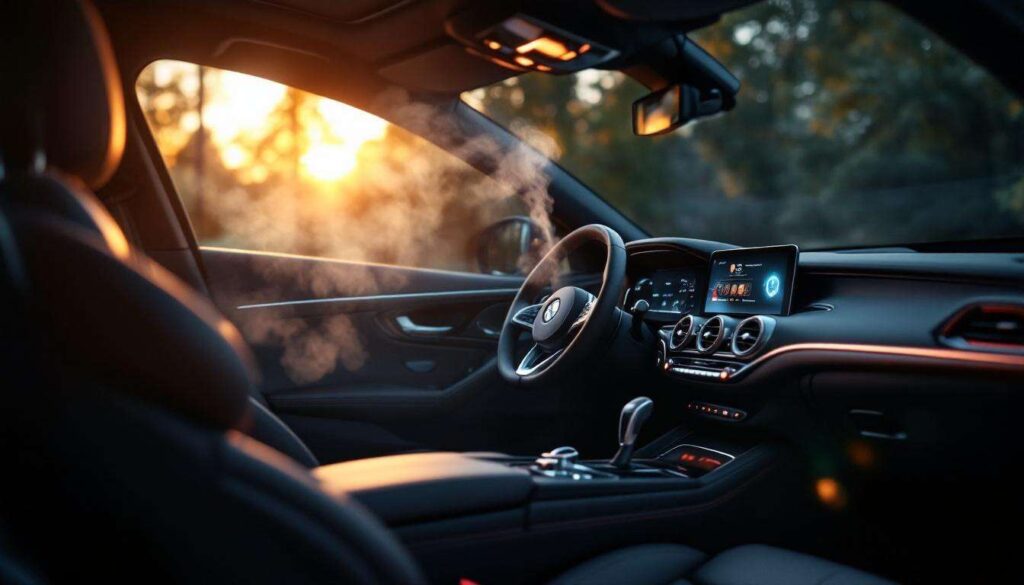
The interior of a vehicle endures a relentless assault from daily life: spilled coffee, damp coats, forgotten food wrappers, and the subtle accumulation of dust and moisture. For professional drivers who spend countless hours behind the wheel, maintaining a fresh cabin is not merely a matter of comfort but a necessity. Their livelihood depends on creating a welcoming environment for passengers, and over time, many have developed remarkably effective strategies that outperform conventional air fresheners. These methods rely on prevention, regular maintenance, and a nuanced understanding of how odours develop and persist in enclosed spaces.
The taxi driver’s method: the secret to a fresh cabin in all seasons
Prevention through daily discipline
Professional drivers understand that freshness begins with prevention rather than masking. The core principle involves removing odour sources before they become embedded in fabrics and surfaces. This approach centres on immediate action rather than delayed cleaning sessions. Every shift ends with a quick inspection: removing rubbish, checking under seats for forgotten items, and wiping down surfaces that have been touched throughout the day.
The discipline extends to passenger management as well. Drivers who maintain the freshest cabins enforce simple rules: no eating strong-smelling foods, no smoking, and prompt attention to any spills. These boundaries, whilst seemingly strict, preserve the interior condition far more effectively than any chemical spray.
Strategic ventilation patterns
Experienced drivers employ ventilation techniques that maximise air circulation without creating discomfort. The method involves:
- Opening opposite windows slightly during journeys to create cross-ventilation
- Running the air conditioning system regularly, even in cooler months, to prevent moisture build-up
- Leaving windows cracked overnight in safe locations to allow stale air to escape
- Using the recirculation function sparingly to avoid trapping odours inside
This systematic approach to air movement prevents the stagnant conditions that allow smells to settle and intensify. Fresh air circulation becomes a constant background process rather than an occasional remedy.
Understanding how odours establish themselves in vehicle interiors reveals why these preventative measures prove so effective.
The invisible enemies: humidity, fabrics and time
Moisture as the primary culprit
Humidity creates the ideal conditions for bacterial growth and mould development, both of which generate persistent unpleasant odours. Vehicle interiors trap moisture from numerous sources: wet shoes and clothing, condensation from temperature differences, spilled beverages, and even human breath during extended journeys. Once moisture penetrates upholstery or carpeting, it becomes remarkably difficult to eliminate completely.
| Moisture source | Impact level | Prevention method |
|---|---|---|
| Wet footwear | High | Waterproof floor mats, weekly shaking |
| Condensation | Medium | Regular air conditioning use, ventilation |
| Spilled drinks | Very high | Immediate cleaning, absorbent materials |
| Damp clothing | Medium | Seat covers, prompt drying |
Fabric absorption and retention
Vehicle upholstery acts as a sponge for odours, absorbing and retaining smells far more effectively than hard surfaces. Synthetic fabrics, whilst durable, can trap odour molecules within their fibres, creating a reservoir that releases smells gradually over time. This explains why simply masking odours with air fresheners provides only temporary relief: the source remains embedded in the materials themselves.
Regular vacuuming addresses surface dirt but cannot extract deeply embedded odours. Professional drivers often use specialised extraction methods or steam cleaning quarterly to genuinely refresh fabric surfaces rather than simply tidying their appearance.
The compounding effect of time
Odours intensify through layering and chemical reactions over extended periods. What begins as a faint smell from forgotten food waste combines with moisture, dust, and subsequent odours to create increasingly complex and stubborn scent profiles. This compounding effect explains why older vehicles often develop characteristic smells that resist conventional cleaning attempts.
Rather than fighting intensity with stronger fragrances, effective odour management requires a more sophisticated approach.
Subtle olfactory strategy: layering rather than intensity
Natural fragrance sources
The most successful professional drivers avoid synthetic air fresheners entirely, opting instead for gentle natural alternatives. Orange peels, placed discreetly in the boot or beneath seats, release a fresh citrus scent without overwhelming passengers. Unlike artificial fragrances that announce themselves immediately, natural options provide subtle background freshness that passengers notice only subconsciously.
Other effective natural options include:
- Small fabric sachets filled with dried lavender or cedar chips
- Coffee beans in breathable containers, which absorb odours whilst releasing a mild pleasant scent
- Bamboo charcoal bags that neutralise smells without adding fragrance
- Essential oil drops on hidden fabric surfaces, refreshed weekly
Absorption before addition
The principle of neutralisation before scenting distinguishes professional approaches from amateur attempts. Charcoal-based air purifiers absorb existing odour molecules rather than simply covering them with stronger smells. This creates a genuinely neutral baseline from which subtle pleasant scents can emerge naturally.
Baking soda sprinkled on carpets and upholstery, left overnight, then thoroughly vacuumed, provides similar absorption benefits. This traditional method costs almost nothing yet proves remarkably effective at eliminating rather than masking problematic smells.
Rotation and renewal
Professional drivers rotate their scent sources regularly, preventing olfactory fatigue and maintaining freshness. A citrus scent might dominate for two weeks, followed by a neutral period with only charcoal absorption, then a subtle herbal note. This variation prevents the cabin from developing a single overwhelming characteristic smell whilst maintaining consistent freshness.
The psychological impact of these carefully managed scents extends beyond mere comfort.
The passenger experience: when scent changes mood
Subconscious comfort signals
Research into environmental psychology demonstrates that scent profoundly influences emotional states and judgements. Passengers entering a fresh-smelling vehicle immediately form positive impressions about cleanliness, professionalism, and safety. Conversely, unpleasant odours trigger discomfort and negative associations that colour the entire journey experience.
Professional drivers report that maintaining cabin freshness directly correlates with higher ratings, better tips, and repeat business. The investment in odour management pays tangible dividends through improved passenger satisfaction and loyalty.
Health and wellbeing considerations
Beyond aesthetics, vehicle interior air quality affects respiratory health and overall wellbeing. Modern car interiors contain numerous synthetic materials that off-gas volatile organic compounds, particularly when heated by sunlight. These emissions combine with dust, allergens, and biological contaminants to create a potentially unhealthy environment.
Regular cleaning and natural odour management reduce exposure to these substances, creating a healthier space for both drivers and passengers. This becomes particularly important for individuals with sensitivities or respiratory conditions who react poorly to chemical air fresheners.
These professional techniques translate remarkably well to personal vehicle maintenance.
Applying the taxi method at home
Establishing a maintenance routine
Implementing the taxi method for personal vehicles requires consistent habits rather than intensive occasional cleaning. A weekly routine might include:
- Removing all rubbish and checking hidden areas for forgotten items
- Shaking out floor mats and wiping down hard surfaces
- Vacuuming seats and carpets, paying particular attention to crevices
- Refreshing or replacing natural odour absorbers
- Inspecting for moisture issues or spills requiring immediate attention
This fifteen-minute weekly investment prevents the accumulation that necessitates far more intensive deep cleaning sessions.
Seasonal adjustments
Different seasons present distinct challenges requiring adapted approaches. Winter brings wet conditions and closed windows, increasing moisture risks. Summer heat intensifies existing odours and accelerates material off-gassing. Autumn introduces fallen leaves and organic debris, whilst spring often means pollen and allergens.
Adapting the maintenance routine to seasonal demands ensures year-round freshness. Winter might require more frequent mat cleaning and moisture management, whilst summer benefits from increased ventilation and sun exposure to naturally sanitise interiors.
Cost-effectiveness and sustainability
The taxi method proves remarkably economical compared to continuously purchasing air fresheners and professional detailing services. Natural odour absorbers cost pennies, whilst preventative maintenance extends the lifespan of interior materials, preserving vehicle value. The environmental benefits of avoiding chemical air fresheners and reducing waste further enhance the approach’s appeal.
Common questions about implementing these methods deserve thorough answers.
Frequently asked questions about vehicle odour maintenance
How quickly do natural methods work compared to air fresheners ?
Natural absorption methods require twenty-four to forty-eight hours to achieve noticeable results, whereas air fresheners provide immediate masking. However, natural approaches address root causes rather than temporarily covering symptoms, delivering longer-lasting freshness once established.
Can these methods eliminate smoke odours ?
Smoke presents particular challenges due to its penetration into every porous surface. Whilst natural methods help, eliminating smoke odours completely typically requires professional ozone treatment or extensive deep cleaning combined with prolonged natural absorption. Prevention through strict no-smoking policies proves far more effective than remediation.
How often should charcoal bags be replaced ?
Quality bamboo charcoal bags can be recharged monthly by placing them in direct sunlight for several hours. Complete replacement becomes necessary after approximately twelve months of use, making them exceptionally cost-effective compared to disposable air fresheners.
What about pet odours in vehicles ?
Pet odours require specialised attention including waterproof seat covers, more frequent vacuuming, and enzyme-based cleaners for accidents. Combining these with natural absorption methods maintains freshness despite regular animal passengers.
The principles employed by professional drivers offer valuable lessons for anyone seeking to maintain a fresh vehicle interior. By prioritising prevention over remediation, addressing moisture and fabric absorption, employing subtle natural scents, and establishing consistent maintenance routines, drivers can create genuinely pleasant cabin environments. These methods prove more effective, economical, and sustainable than relying on synthetic air fresheners whilst simultaneously protecting health and preserving vehicle condition. The taxi method demonstrates that freshness stems from discipline and understanding rather than chemical intervention, transforming daily vehicle maintenance into a simple yet highly effective practice.