


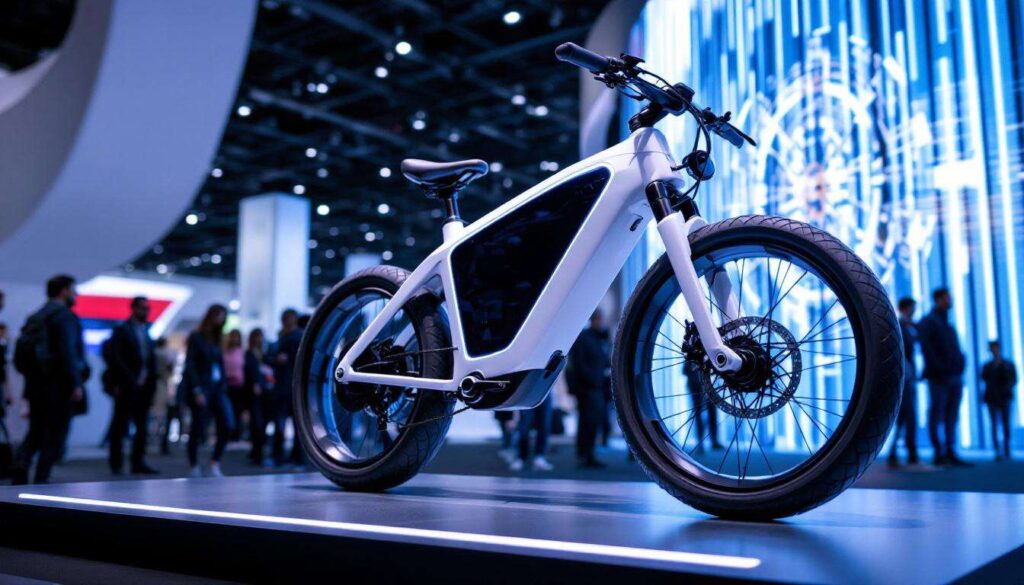
Electric bicycles have long struggled with a persistent challenge that has kept many potential riders from making the switch: the fear of running out of power mid-journey. Range anxiety, as this concern is known, has been a significant barrier to wider adoption of e-bikes, particularly for commuters and delivery services that rely on consistent performance throughout the day. The latest technology showcased at CES promises to address this issue head-on, with groundbreaking innovations that could fundamentally transform how we think about electric bicycle power systems.
The future of e-bikes revealed at CES
A shift towards intelligent mobility platforms
The innovations presented at CES mark a decisive turning point in the evolution of electric bicycles. E-bikes are no longer simple transport tools but are rapidly becoming sophisticated connected mobility platforms. This transformation is driven by the integration of advanced software, sensors, and connectivity features that fundamentally change the riding experience.
Several key technological trends emerged during the event:
- Intelligent assistant systems that adapt to riding conditions and user behaviour
- App-based controls allowing riders to customise performance parameters
- Adaptive energy supplies that optimise power distribution based on terrain and riding style
- Enhanced connectivity features enabling real-time monitoring and diagnostics
Personalisation takes centre stage
Beyond raw performance improvements, the latest generation of e-bikes showcased at CES emphasises personalisation and adaptability. Manufacturers are recognising that riders have vastly different needs, from urban commuters to delivery professionals and recreational cyclists. Modular frames and customisable accessories allow users to tailor their e-bikes to specific requirements, whether that means adding cargo capacity, improving comfort, or enhancing performance.
These developments in connectivity and personalisation create the foundation for the more specific technological advances that address range anxiety directly.
The new regenerative charging technology
The MAG DRIVE system explained
Japanese start-up Hello Space unveiled what may prove to be the most significant innovation in e-bike technology: the MAG DRIVE regenerative propulsion system. This breakthrough technology allows batteries to recharge during pedalling, effectively extending range without requiring riders to stop and plug in. What sets MAG DRIVE apart from previous regenerative systems is its ability to capture energy without magnetic resistance, meaning riders don’t experience the drag that has plagued earlier regenerative designs.
The technical advantages of this system are substantial:
- Continuous battery replenishment during normal riding
- No perceptible resistance that would make pedalling more difficult
- Seamless integration with existing e-bike architectures
- Potential to significantly reduce charging frequency
Strategic partnerships driving development
The development of MAG DRIVE has been supported by a collaboration with Toyota Tsusho Nexty Electronics Group, which began in 2021. This partnership brings substantial manufacturing expertise and resources to the project, increasing the likelihood of successful commercialisation. The concept first appeared at CES 2022 when Hello Space participated in the Japanese pavilion, but the technology has matured considerably since that initial presentation.
This regenerative technology represents just one aspect of the broader improvements in e-bike range capabilities being developed by manufacturers worldwide.
Promising advances in range
Real-world applications for delivery and sharing services
The impact of regenerative charging technology could be particularly transformative for electric bike fleets dedicated to deliveries and bike-sharing services. These applications face unique challenges, as bikes are in constant use throughout the day with limited opportunities for traditional charging. Regenerative systems could dramatically reduce downtime and operational costs whilst improving service reliability.
| Application | Current challenge | Potential improvement |
|---|---|---|
| Delivery services | Multiple battery swaps daily | Extended shifts without recharging |
| Bike-sharing | Frequent repositioning for charging | Reduced charging infrastructure needs |
| Commuters | Range anxiety on longer journeys | Confidence for extended trips |
Commercialisation timeline and market entry
According to available information, the first e-bikes equipped with the MAG DRIVE system should reach the market in 2026. This timeline is supported by a collaboration agreement with Indian electric vehicle manufacturer XERO, which will handle production and supply of smart e-bikes for sharing services globally. The partnership with an established manufacturer suggests that this technology has moved beyond the prototype stage and is ready for mass production.
Whilst range improvements are critical, they must be accompanied by enhanced security features to address the full spectrum of e-bike user concerns.
Enhanced security: anti-theft protection and pedal-assist
Intelligent safety systems
Security innovations showcased at CES extend beyond traditional locks and alarms. Intelligent lighting systems now adapt to ambient conditions and riding speed, automatically adjusting brightness and beam patterns to maximise visibility whilst conserving battery power. These systems integrate seamlessly with other bike functions, activating when motion is detected and communicating with riders through smartphone applications.
Radar-based detection systems represent another significant advancement in e-bike safety. These sensors monitor surrounding traffic, alerting riders to approaching vehicles and potential hazards. The integration of such systems transforms e-bikes into actively protective platforms rather than passive transport devices.
Anti-theft technologies
The latest anti-theft protection systems leverage connectivity and smart sensors to provide multiple layers of security:
- GPS tracking enabling real-time location monitoring
- Remote immobilisation preventing unauthorised use
- Motion-activated alerts notifying owners of tampering
- Integrated locking mechanisms controlled via smartphone apps
These security enhancements work in tandem with improved battery technology to create a more complete and reassuring ownership experience.
The batteries of tomorrow: towards unprecedented autonomy
Energy density improvements
Whilst regenerative charging addresses one aspect of range anxiety, fundamental improvements in battery technology remain essential. The latest generation of e-bike batteries features significantly improved energy density, allowing manufacturers to pack more power into the same physical space or maintain current range with lighter, more compact battery packs.
These improvements stem from advances in battery chemistry and thermal management systems that allow cells to operate more efficiently across a wider range of temperatures and discharge rates. The result is batteries that not only last longer between charges but also maintain their capacity through more charge cycles, extending overall lifespan.
Fast-charging capabilities
Beyond capacity, charging speed has improved dramatically. Modern e-bike batteries can now accept much higher charge rates, reducing the time required to replenish power from several hours to under an hour in many cases. When combined with regenerative systems, these fast-charging capabilities create a charging ecosystem that virtually eliminates range anxiety for most users.
These technological advances are poised to reshape the entire e-bike market and influence how consumers view electric bicycles as viable transportation alternatives.
The impact of CES innovations on the e-bike market
Market expansion opportunities
The innovations revealed at CES address the primary barriers that have limited e-bike adoption in many markets. By eliminating range anxiety and enhancing security, manufacturers can appeal to a much broader consumer base, including those who previously dismissed e-bikes as impractical for their needs. The transformation of e-bikes into connected mobility platforms also positions them as premium products that justify higher price points whilst delivering genuinely enhanced value.
Industry consolidation and competition
The technological sophistication required to implement these advanced systems may accelerate consolidation within the e-bike industry. Smaller manufacturers may struggle to develop or license the necessary technologies, whilst larger players with substantial research budgets and manufacturing capabilities gain competitive advantages. Strategic partnerships, such as the collaboration between Hello Space and Toyota Tsusho, illustrate how companies are pooling resources to bring innovations to market more rapidly.
The competitive landscape will likely reward manufacturers who can successfully integrate multiple innovations—regenerative charging, intelligent systems, enhanced security, and improved batteries—into cohesive, user-friendly packages that address real-world rider needs.
The innovations presented at CES represent a watershed moment for electric bicycle technology. Regenerative charging systems, particularly the MAG DRIVE technology, promise to alleviate the range anxiety that has hindered wider e-bike adoption. Combined with advances in battery capacity, intelligent connectivity features, and enhanced security systems, these developments transform e-bikes from simple motorised bicycles into sophisticated mobility platforms. The planned commercialisation of these technologies in 2026 suggests that the future of e-bikes is arriving sooner than many anticipated, with implications for urban transportation, delivery services, and personal mobility that extend far beyond the cycling community.