



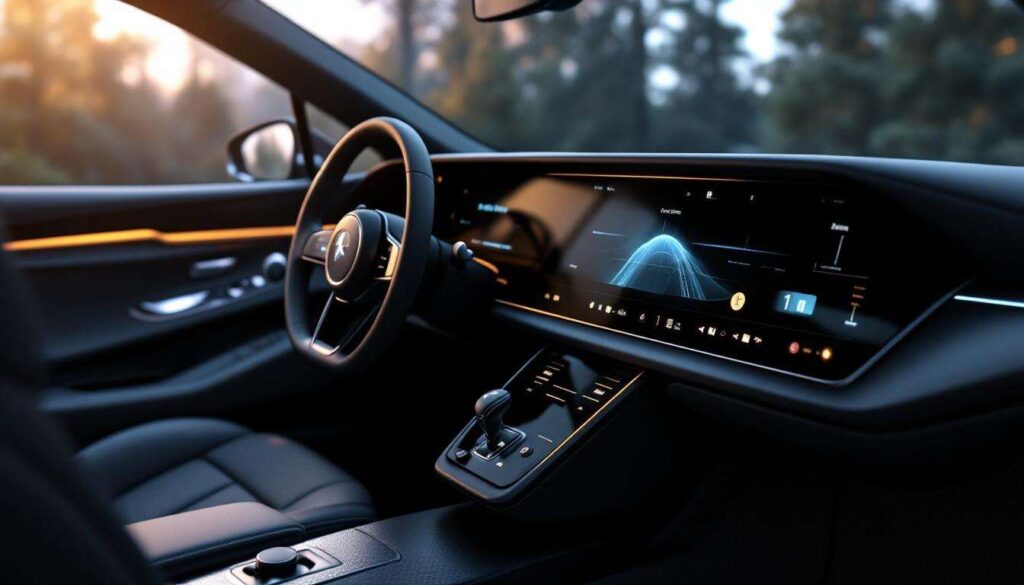
The dashboard of a modern vehicle has become a sleek, minimalist space dominated by expansive touchscreens that control everything from climate settings to navigation. Yet beneath this glossy surface lies a growing safety concern that crash testing authorities can no longer ignore. As drivers fumble through digital menus whilst navigating busy roads, the question of whether technology has gone too far in eliminating tactile controls has moved from theoretical debate to urgent regulatory action.
Return of buttons: a growing demand
Consumer frustration with touchscreen interfaces
Motorists have increasingly voiced their dissatisfaction with the complete reliance on touchscreens in contemporary vehicles. The frustration stems from several practical concerns that affect daily driving experiences. Many drivers report difficulty adjusting basic settings whilst keeping their eyes on the road, a problem that rarely existed with traditional button layouts.
- Difficulty locating controls without looking away from the road
- Lack of tactile feedback when making adjustments
- Slow response times in touchscreen systems
- Reduced functionality in cold weather when wearing gloves
- Screen glare in bright sunlight making controls virtually invisible
Industry recognition of the problem
Automotive manufacturers have begun acknowledging that the pendulum may have swung too far towards digital interfaces. Market research indicates that a significant proportion of buyers consider overly complex touchscreen systems a deterrent when purchasing new vehicles. This consumer pushback, combined with mounting safety evidence, has created momentum for change that extends beyond regulatory requirements alone.
This groundswell of consumer sentiment has not emerged in isolation but rather reflects deeper concerns about how vehicle design impacts driver behaviour and safety.
Why are buttons making a comeback ?
Distraction and accident risk
Road safety studies have established a clear correlation between touchscreen interaction and driver distraction. Research demonstrates that drivers take their eyes off the road for significantly longer periods when using touchscreen controls compared to physical buttons. This seemingly minor difference translates into metres of travel during which the driver is effectively blind to road conditions.
| Control type | Average glance time | Distance travelled at 60 km/h |
|---|---|---|
| Physical button | 1.5 seconds | 25 metres |
| Touchscreen menu | 4.5 seconds | 75 metres |
The tactile advantage
Physical buttons offer haptic feedback that allows drivers to operate controls by touch alone, a capability that touchscreens fundamentally cannot replicate. This tactile dimension enables drivers to develop muscle memory for frequently used functions, reducing the cognitive load required for basic vehicle operations. The simple act of feeling a button click provides immediate confirmation that a command has been registered, eliminating the need for visual verification.
These practical considerations have now caught the attention of organisations whose primary mandate is ensuring vehicle safety through rigorous testing protocols.
Euro NCAP 2026 safety standards: a decisive influence
New testing criteria for vehicle interfaces
The regulatory landscape is shifting dramatically with the introduction of updated safety assessment protocols from crash testing authorities. ANCAP and European standards will implement requirements that extend beyond traditional collision protection to encompass how vehicle design affects driver behaviour. These new criteria specifically mandate that certain critical controls must be accessible through physical interfaces rather than buried in touchscreen menus.
Mandatory physical controls
The regulations identify specific functions that must be operable through dedicated physical controls to achieve top safety ratings. This represents a significant departure from recent design trends and will directly influence manufacturer decisions about cabin layouts.
- Hazard warning lights
- Windscreen wipers and washers
- Headlight controls
- Turn signal indicators
- Emergency calling systems
Impact on safety ratings
Vehicles that fail to meet these interface requirements will face reduced safety ratings, regardless of their performance in crash tests. This creates a powerful incentive for manufacturers to redesign their interiors, as safety ratings significantly influence consumer purchasing decisions and fleet procurement policies. The financial implications of lower ratings extend far beyond regulatory compliance to affect market competitiveness and brand reputation.
Understanding why these regulatory changes matter requires examining the fundamental differences between physical and digital control systems.
The advantages of physical buttons versus touch controls
Operational reliability
Physical buttons demonstrate superior reliability across diverse operating conditions that frequently challenge touchscreen systems. Mechanical switches function consistently in extreme temperatures, work seamlessly with gloved hands, and remain operable even when screens are damaged or experiencing software glitches. This reliability becomes particularly crucial in emergency situations where immediate access to controls can prevent accidents or summon assistance.
Cognitive load reduction
The mental effort required to operate touchscreen menus represents a significant cognitive burden that physical buttons largely eliminate. Drivers must remember menu structures, navigate through multiple screens, and visually confirm selections when using digital interfaces. Physical buttons, by contrast, allow for intuitive operation based on spatial memory and tactile feedback, freeing mental resources for the primary task of driving safely.
User experience considerations
Beyond safety metrics, physical controls enhance the overall driving experience through immediacy and simplicity. The direct cause-and-effect relationship between pressing a button and activating a function creates a sense of control and responsiveness that touchscreens struggle to match. This improved user experience contributes to reduced driver frustration and stress levels during vehicle operation.
These advantages will ripple through the automotive sector as manufacturers adapt their design philosophies to align with new expectations.
Potential impacts on the automotive industry
Design and manufacturing adjustments
Reintegrating physical buttons necessitates substantial changes to interior design processes and manufacturing workflows. Automakers must reconsider dashboard layouts, allocate physical space for controls, and potentially redesign entire centre console configurations. This shift may increase production costs initially, as manufacturers retool facilities and develop new component supply chains for mechanical switches and buttons.
Market differentiation opportunities
The return to physical controls creates opportunities for manufacturers to distinguish their products through thoughtful interface design. Companies that successfully balance modern aesthetics with functional button layouts may gain competitive advantages in safety-conscious market segments. Premium brands might leverage superior button quality and placement as selling points, whilst volume manufacturers focus on meeting regulatory minimums cost-effectively.
Technology integration challenges
Manufacturers face the complex task of integrating physical controls with increasingly sophisticated vehicle systems. The challenge lies in determining which functions warrant dedicated buttons and which can remain in touchscreen menus without compromising safety. This balance will likely vary across vehicle segments, with luxury models potentially offering more comprehensive physical control sets than entry-level offerings.
Looking ahead, industry observers have begun projecting how these changes will manifest in vehicles arriving in showrooms.
Forecasts and trends for 2026
Expected design evolution
Automotive interiors are anticipated to adopt hybrid interface approaches that combine touchscreens for complex functions with physical controls for essential operations. This middle ground allows manufacturers to retain the flexibility and feature richness of digital displays whilst addressing safety concerns through tactile controls. Design language may shift towards more sculptural dashboards that integrate buttons as aesthetic elements rather than treating them as compromises.
Industry-wide adoption timeline
The transition will likely unfold gradually as manufacturers work through development cycles and regulatory implementation schedules. Early adopters may introduce button-enhanced designs ahead of mandatory compliance dates to capitalise on positive safety messaging. By mid-decade, the market should see widespread availability of vehicles meeting the new standards, with holdouts facing market pressure beyond regulatory requirements.
Long-term implications for vehicle design philosophy
This regulatory intervention may signal a broader recalibration in how the industry approaches human-machine interfaces. The emphasis on physical controls represents recognition that technological capability must be balanced against human factors and real-world usability. Future innovations may prioritise intuitive operation and safety integration rather than pursuing digitalisation for its own sake, potentially leading to more thoughtful and user-centred vehicle design across all aspects of the driving experience.
The convergence of regulatory requirements, safety research, and consumer preferences suggests that the automotive industry stands at a meaningful inflection point. The reintroduction of physical buttons represents more than a simple reversal of recent trends; it reflects a maturing understanding of how vehicle design affects driver behaviour and road safety. As crash testing authorities implement new assessment criteria, manufacturers will adapt their approaches to cabin interfaces, balancing modern technology with the tactile reliability that physical controls provide. This evolution may ultimately yield vehicles that are not only safer but also more intuitive and satisfying to operate, demonstrating that progress sometimes involves revisiting proven solutions rather than relentlessly pursuing digitalisation.