

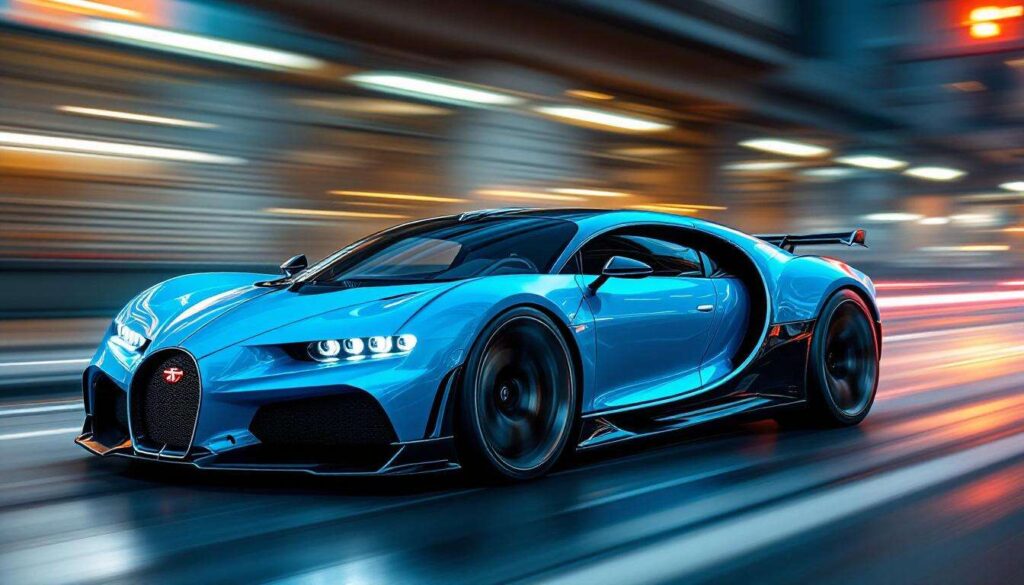
Chinese consumer electronics manufacturer Dreame has stunned the automotive world by unveiling an electric hypercar that challenges conventional industry boundaries. The company, best known for its robot vacuum cleaners and smart home appliances, presented the Kosmera Nebula 1 at the Consumer Electronics Show in Las Vegas, signalling an audacious expansion into high-performance electric vehicles. With 1,876 horsepower and design cues reminiscent of legendary supercars, this unexpected entrant raises questions about the future landscape of automotive manufacturing and whether expertise in motor technology can translate from household floors to racing circuits.
A robot vacuum manufacturer enters the car race
From household appliances to automotive ambitions
Dreame’s journey into the automotive sector represents one of the most surprising pivots in recent manufacturing history. Founded in 2017 and backed by the Xiaomi Ecological Chain, the company built its reputation on innovative vacuum technology and smart home solutions. The announcement in August 2025 that Dreame would venture into car production caught industry observers off guard, prompting widespread speculation about the viability of such a transition.
The company’s decision stems from its advanced motor technology expertise, which forms the foundation of both its vacuum cleaners and now its electric vehicles. This technological crossover demonstrates how core engineering capabilities can be adapted across vastly different product categories. Dreame has assembled a dedicated automotive team of nearly 1,000 professionals, including designers, engineers and production specialists, to oversee the development of its new Kosmera division.
Strategic positioning in a competitive market
China’s electric vehicle landscape has experienced explosive growth, with numerous manufacturers competing for market share. Dreame’s entry into this crowded field reflects several strategic considerations:
- Leveraging existing motor technology and engineering expertise
- Capitalising on the company’s experience in smart home integration
- Diversifying revenue streams beyond household appliances
- Establishing brand presence in the premium automotive segment
The timing of this venture coincides with increasing consumer demand for high-performance electric vehicles that offer both sustainability and exhilarating driving experiences. By targeting the hypercar segment, Dreame positions itself alongside established manufacturers whilst carving out a unique identity as a technology-first automotive newcomer.
This bold move into automotive manufacturing sets the stage for understanding how Dreame transformed its technological foundations into a vehicle capable of competing with the world’s most prestigious performance cars.
From vacuum cleaner to electric supercar
Technological synergies and engineering foundations
The connection between vacuum cleaners and hypercars may seem tenuous, yet Dreame’s expertise in electric motor technology provides a genuine foundation for automotive development. High-performance vacuum cleaners require efficient, powerful motors that maximise suction whilst minimising energy consumption—principles that translate directly to electric vehicle propulsion systems. The company’s experience in battery management, thermal control and compact motor design has informed the engineering approach for the Kosmera Nebula 1.
Dreame’s research and development capabilities extend beyond simple motor construction. The company has invested heavily in:
- Advanced power electronics and inverter technology
- Intelligent control systems and software integration
- Lightweight materials and structural optimisation
- Thermal management solutions for high-performance applications
Building an automotive infrastructure
Transitioning from consumer electronics to automotive production requires substantial infrastructure investment. Dreame has committed significant resources to establishing manufacturing facilities capable of producing vehicles to exacting standards. The company’s approach involves partnering with established automotive suppliers whilst developing proprietary technologies that differentiate its vehicles from competitors.
| Development aspect | Investment focus |
|---|---|
| Engineering team | Nearly 1,000 professionals |
| Launch timeline | Market entry planned for 2027 |
| Technology integration | Smart home ecosystem connectivity |
The integration of smart home technologies into automotive applications represents a unique selling proposition for Dreame. Owners could potentially control vehicle functions through existing Dreame smart home interfaces, creating a seamless ecosystem that extends from domestic environments to personal transportation.
Having established the technological bridge between household appliances and high-performance vehicles, the physical embodiment of these ambitions takes shape in the Kosmera Nebula 1’s striking exterior design.
A Bugatti-inspired design
Aesthetic influences and visual identity
The Kosmera Nebula 1’s design language draws unmistakable inspiration from legendary hypercar manufacturers, particularly Bugatti. Early teaser images released in December 2025 showcased proportions and styling cues reminiscent of the Bugatti Veyron, including a distinctive front grille arrangement and sculpted bodywork. However, the final production design revealed at CES demonstrates a more athletic stance that incorporates Ferrari-like aggression whilst maintaining certain Bugatti-inspired elegance.
The vehicle’s exterior features several distinctive design elements:
- Aerodynamically optimised bodywork with active elements
- Signature lighting arrangements that reference both heritage and innovation
- Low-slung profile emphasising performance intentions
- Premium materials including carbon fibre and aerospace-grade aluminium
Balancing homage and originality
Walking the line between inspiration and imitation presents challenges for any newcomer to the automotive world. Dreame’s design team has attempted to create a visual identity that acknowledges hypercar heritage whilst establishing the Kosmera brand’s unique character. The final design moves away from the more sedan-like proportions suggested in initial renderings, adopting instead a purpose-built supercar architecture that prioritises high-speed performance and dynamic capability.
Critics within automotive circles have noted the obvious references to established manufacturers, raising questions about originality in an industry where design language carries significant brand equity. Nevertheless, the Kosmera Nebula 1’s styling represents a confident statement of intent, signalling that Dreame takes its automotive ambitions seriously and aims to compete directly with established hypercar producers.
Beyond its striking exterior, the true measure of any hypercar lies in its performance capabilities, where the Kosmera Nebula 1 makes its most compelling argument.
Power: 1,876 horsepower and four electric motors
Exceptional performance specifications
The Kosmera Nebula 1’s 1,876 horsepower output positions it firmly within the elite tier of electric hypercars, competing directly with established manufacturers’ flagship models. This extraordinary power figure is achieved through a sophisticated four-motor configuration, with individual motors driving each wheel to provide precise torque vectoring and exceptional traction management. This all-wheel-drive architecture enables instantaneous power delivery and dynamic handling characteristics that exceed traditional internal combustion hypercars.
The technical specifications demonstrate Dreame’s commitment to performance excellence:
| Performance metric | Specification |
|---|---|
| Total power output | 1,876 horsepower |
| Motor configuration | Four independent electric motors |
| Drive system | All-wheel drive with torque vectoring |
Advanced electric propulsion technology
Each of the four electric motors benefits from Dreame’s expertise in motor design and thermal management. The company’s experience in creating efficient, high-performance motors for consumer products has been scaled up and adapted for automotive applications. The propulsion system incorporates advanced cooling solutions to maintain optimal operating temperatures during sustained high-performance driving, ensuring consistent power delivery without thermal throttling.
The integration of four independent motors provides several performance advantages:
- Precise torque distribution to individual wheels for enhanced cornering
- Redundancy for improved reliability and safety
- Regenerative braking capability at all four corners
- Dynamic stability control through selective motor output modulation
This exceptional power output and sophisticated drivetrain architecture establish the Kosmera Nebula 1 as a serious contender in the hypercar segment, yet translating technical specifications into market success presents numerous obstacles.
Challenges and opportunities for Dreame
Navigating industry scepticism
Dreame faces considerable scepticism from automotive purists and industry analysts who question whether a company known for vacuum cleaners can successfully compete in the hypercar market. Established manufacturers possess decades of experience in vehicle dynamics, safety engineering and production quality—expertise that cannot be acquired overnight. The company must demonstrate that its vehicles meet rigorous safety standards, deliver on performance promises and provide the refinement expected at hypercar price points.
Key challenges confronting Dreame include:
- Establishing brand credibility in the premium automotive segment
- Developing comprehensive after-sales support and service networks
- Meeting stringent regulatory requirements across global markets
- Competing against manufacturers with established racing heritage
- Securing supply chains for specialised automotive components
Leveraging unique competitive advantages
Despite these obstacles, Dreame possesses several distinctive advantages that could facilitate success. The company’s integration with the Xiaomi ecosystem provides access to extensive smart technology resources and a vast consumer base familiar with connected devices. This technological foundation enables features that traditional manufacturers may struggle to implement, such as seamless integration between home automation systems and vehicle controls.
Furthermore, China’s rapidly expanding electric vehicle infrastructure and supportive regulatory environment provide favourable conditions for new entrants. Dreame can leverage domestic manufacturing capabilities and supply chains whilst benefiting from government initiatives promoting electric vehicle adoption. The company’s fresh perspective, unburdened by legacy manufacturing constraints, allows for innovative approaches to vehicle design and production.
These challenges and opportunities will ultimately determine whether Dreame’s automotive venture represents a sustainable business strategy or an ambitious experiment.
The future of Dreame in the automotive industry
Long-term strategic vision
The Kosmera Nebula 1 represents merely the opening chapter in Dreame’s automotive ambitions. The company has established the Kosmera division as a dedicated automotive brand, suggesting plans for an expanded product portfolio beyond the initial hypercar. This strategic approach indicates long-term commitment rather than a limited publicity exercise, with substantial resources allocated to research, development and manufacturing infrastructure.
Dreame’s automotive roadmap likely includes:
- Additional Kosmera models targeting different market segments
- Continued investment in proprietary electric propulsion technology
- Expansion of smart vehicle features leveraging artificial intelligence
- Development of autonomous driving capabilities
- International market expansion following domestic launch
Impact on the broader automotive landscape
Dreame’s entry into automotive manufacturing reflects broader trends reshaping the industry. The transition to electric propulsion has lowered barriers to entry, enabling technology companies to compete with established manufacturers. This democratisation of automotive production challenges traditional hierarchies and accelerates innovation as newcomers introduce fresh perspectives and unconventional approaches.
The success or failure of the Kosmera Nebula 1 will provide valuable insights into whether technological expertise from adjacent industries can successfully transfer to automotive applications. If Dreame demonstrates that motor technology proficiency and smart systems integration can compensate for limited automotive heritage, other technology companies may follow similar paths, fundamentally altering the competitive landscape.
The planned 2027 market launch will serve as a crucial test of Dreame’s capabilities and strategic vision, determining whether the company can establish a sustainable presence in the fiercely competitive automotive sector.
Dreame’s unveiling of the Kosmera Nebula 1 represents an audacious expansion from household appliances into high-performance electric vehicles. The hypercar’s impressive 1,876 horsepower output and Bugatti-inspired design demonstrate serious intent, whilst the company’s motor technology expertise and smart home integration capabilities provide genuine competitive advantages. However, significant challenges remain, including establishing brand credibility, developing comprehensive support infrastructure and competing against manufacturers with decades of automotive experience. The 2027 launch will reveal whether Dreame’s technological foundations and substantial investment can translate into market success, potentially inspiring other technology companies to explore similar automotive ventures and further transforming the industry landscape.