


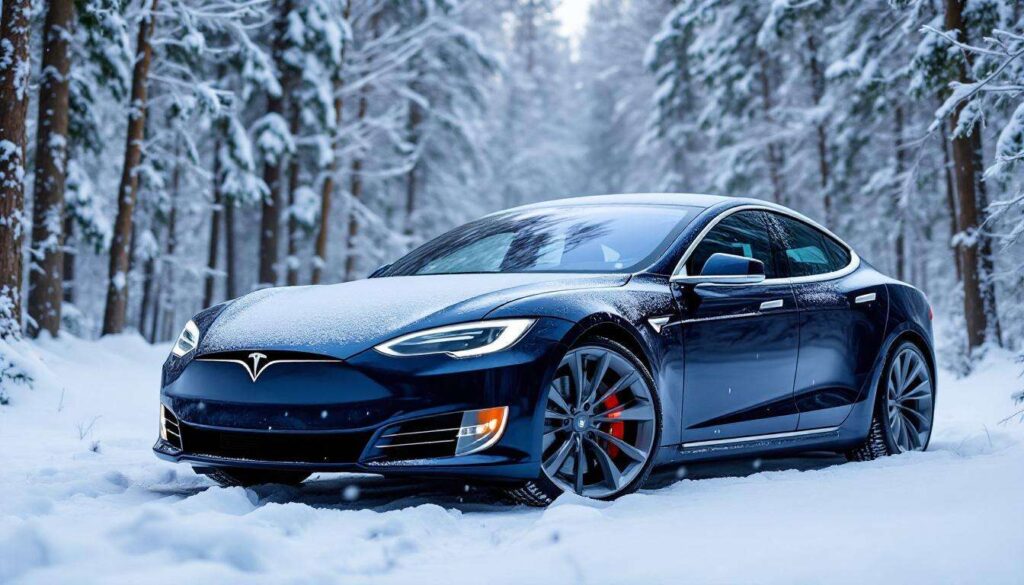
Electric vehicles face unique challenges in winter conditions, and recent testing has shed light on how effectively modern technology can combat one of winter’s most common obstacles. When snow accumulates on a vehicle, it creates safety hazards by obstructing visibility and interfering with critical sensors. A comprehensive examination of snow-clearing capabilities using advanced heating systems has revealed both the potential and limitations of automated defrosting technology in real-world winter scenarios.
Test Scenario: weather Conditions and Setup
Environmental parameters and vehicle preparation
The experiment was designed to replicate authentic winter storm conditions that drivers frequently encounter. The test vehicle, a Model Y Performance, was deliberately left exposed to natural snowfall until 8 inches of snow had accumulated across all exterior surfaces. This substantial accumulation provided a realistic benchmark for evaluating the defrost system’s capabilities.
The testing protocol involved several key elements:
- Natural snow accumulation rather than artificial placement
- Ambient temperatures consistent with typical winter conditions
- Vehicle positioned in an open area without shelter
- Battery charge level maintained above 50% to ensure optimal system performance
- Remote activation via mobile application to simulate real-world usage
Technical specifications of the defrost system
The snow clearing function operates through a sophisticated heat pump and air conditioning system that channels heated air strategically throughout the vehicle. This technology directs warmth not only into the cabin but also towards critical exterior surfaces including the windscreen, windows, bonnet, and roof areas where snow typically accumulates most heavily.
| Component | Function | Target area |
|---|---|---|
| Heat pump | Primary heating source | Cabin and exterior surfaces |
| Air distribution system | Directs heated air | Windscreen and windows |
| Heated elements | Direct surface warming | A-pillar and critical zones |
Understanding these technical foundations provides essential context for interpreting the results that emerged as the experiment progressed.
Experiment Progression
Initial activation and early observations
The defrost function was activated remotely through the mobile application, allowing the system to begin operation without requiring physical presence at the vehicle. Within the first 20 minutes, visible changes began to appear, particularly around the windscreen area and near the A-pillar where heated air was most concentrated.
During this initial phase, the following developments were noted:
- Gradual melting around windscreen edges
- Steam rising from heated surfaces
- Ice layer separation from glass surfaces
- Visible reduction in snow depth near air vents
Mid-stage developments and battery consumption
As the experiment continued beyond the initial phase, systematic monitoring revealed both progress and challenges. Community members who conducted similar tests reported that 20 minutes of operation consumed approximately 2% of battery capacity, providing valuable data on the energy requirements of sustained defrost operation.
The middle stages of the experiment demonstrated that whilst windscreen clearing progressed steadily, snow removal from the roof and bonnet areas required considerably more time. The heat distribution pattern favoured areas with direct airflow, whilst surfaces relying on radiant heat transfer showed slower progress.
These observations highlighted the importance of understanding not just whether the system works, but how efficiently it operates across different timeframes.
Observed Results Over Time
Twenty-minute benchmark findings
The initial 20-minute period proved insufficient for safe driving conditions, though it demonstrated the system’s capability to begin the clearing process. Significant melting occurred around the windscreen, particularly near heated elements, but overall snow coverage remained substantial across most of the vehicle’s surface area.
Complete clearing timeline
The full experiment revealed that achieving adequate driving safety and visibility required approximately 3 hours and 40 minutes of continuous operation. This extended duration reflects the challenge of melting 8 inches of accumulated snow through heating systems alone.
| Time elapsed | Snow cleared | Battery consumption |
|---|---|---|
| 20 minutes | Windscreen edges, partial A-pillar | 2% |
| 1 hour | Windscreen 60%, side windows 40% | 6% |
| 3 hours 40 minutes | Complete clearing achieved | 22% |
These measurements provide drivers with realistic expectations for planning departure times following significant snowfall events, which naturally leads to examining what makes this particular defrost system distinctive.
Peculiarities of Tesla’s Defrost Mode
Remote activation capabilities
One of the most significant advantages of the system is its remote accessibility through the mobile application. Drivers can initiate the defrost process from indoor locations, allowing the vehicle to begin snow clearing whilst they complete morning preparations or finish work activities.
Integration with advanced driver assistance systems
The defrost function serves purposes beyond simple convenience. Modern vehicles rely heavily on sensors and cameras for advanced features, and snow accumulation can severely compromise these systems. The clearing process ensures that:
- Forward-facing cameras maintain clear visibility
- Ultrasonic sensors remain unobstructed
- Radar systems function without interference
- Autopilot capabilities remain operational
- Autonomous driving features perform reliably
Preconditioning benefits
Beyond snow removal, the system offers preconditioning capabilities that warm both the cabin interior and battery systems. This dual function improves winter range by bringing batteries to optimal operating temperature, whilst simultaneously enhancing passenger comfort and safety.
Understanding these distinctive features provides essential context for evaluating the overall effectiveness of the approach.
Analysis of Results and Conclusion
Performance evaluation
The test results demonstrate that whilst the defrost system successfully clears substantial snow accumulation, the time required may exceed some drivers’ expectations. The 3 hour and 40 minute duration for complete clearing represents a significant investment of both time and battery capacity.
However, several factors merit consideration:
- 8 inches represents exceptional rather than typical accumulation
- Partial clearing sufficient for cautious driving occurs much sooner
- Manual snow removal combined with defrost operation reduces total time
- Battery consumption remains manageable for most usage scenarios
Comparative advantages
Traditional vehicles require physical presence and manual effort for snow removal, offering no remote preparation option. The ability to initiate clearing remotely provides genuine practical value, particularly for individuals with mobility limitations or those facing harsh weather conditions.
These findings have broader implications for how drivers approach winter travel preparation.
Implications for Winter Driving Safety
Planning considerations for winter conditions
The test results suggest that drivers in regions with heavy snowfall should incorporate defrost time into their departure planning. Activating the system several hours before intended travel ensures adequate clearing without creating time pressure or encouraging unsafe driving with partially obscured visibility.
Sensor functionality and autonomous features
Perhaps the most critical safety consideration involves the relationship between snow accumulation and sensor operation. Advanced driving features depend on unobstructed sensors, and even partial snow coverage can disable or impair these systems. Thorough clearing becomes essential not just for visibility but for maintaining the full suite of safety technologies.
Community experiences and practical recommendations
User testimonials from online forums reveal varied experiences, with some reporting successful clearing of up to 12 inches of snow, whilst others note challenges with particularly wet or dense accumulations. These real-world accounts suggest that:
- Snow type and moisture content significantly affect clearing time
- Combining automated defrost with manual removal optimises results
- Regular activation during snowfall prevents excessive accumulation
- Battery charge management requires attention during extended defrost operations
Electric vehicle technology continues advancing rapidly, with winter performance representing an important frontier. The snow clearing tests demonstrate both the capabilities and current limitations of automated systems, offering drivers realistic expectations for managing winter conditions. As heating systems become more efficient and battery technology improves, the balance between clearing effectiveness and energy consumption will likely shift favourably. For now, understanding these performance characteristics enables informed planning and safer winter driving practices.