



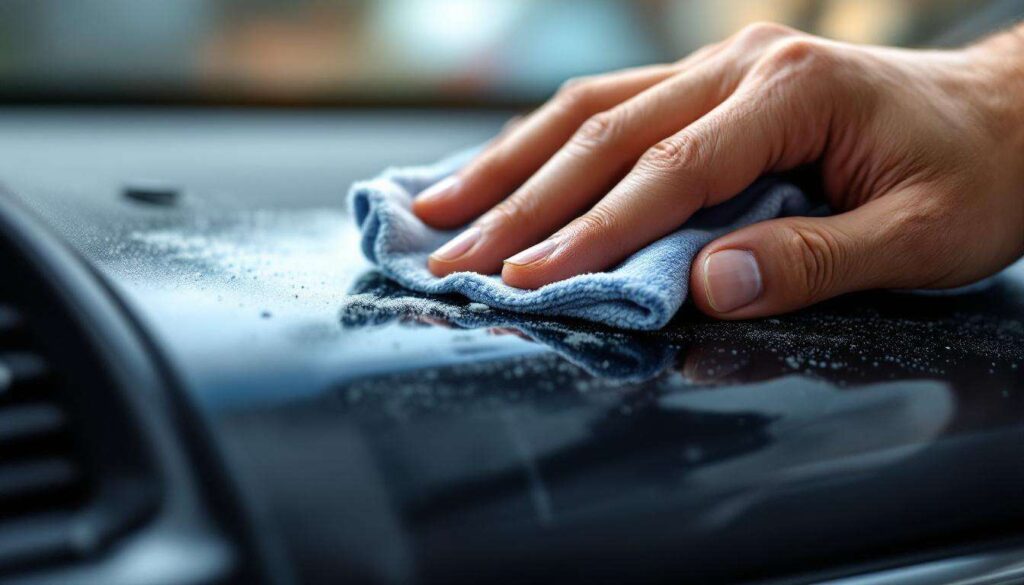
Car dashboards endure constant exposure to sunlight, temperature fluctuations, and daily wear that inevitably lead to unsightly scratches. Mechanics have long relied on a surprisingly simple technique using nothing more than a towel and a few basic products to restore these surfaces to near-original condition. This method has gained popularity amongst professionals for its effectiveness, affordability, and minimal risk of causing further damage to delicate dashboard materials.
Understanding the causes of scratches on the dashboard
Environmental factors contributing to dashboard damage
Dashboard surfaces face relentless assault from ultraviolet radiation streaming through windscreens, which gradually degrades the plastic polymers and causes the material to become brittle. This brittleness makes the surface increasingly susceptible to scratching from even minor contact. Temperature extremes compound the problem, as the dashboard expands during hot days and contracts in cold conditions, creating microscopic fissures that develop into visible scratches over time.
Common objects that cause scratching
Daily activities introduce numerous opportunities for dashboard damage. The most frequent culprits include:
- Keys, coins, and mobile phones placed carelessly on the surface
- Jewellery such as rings and bracelets making contact during cleaning
- Abrasive cleaning cloths or paper towels used without proper technique
- Dashboard accessories with rough undersides or sharp edges
- Pet claws from animals travelling in the vehicle
Understanding these sources helps vehicle owners recognise patterns of damage and implement preventive measures. The accumulation of minor scratches often goes unnoticed until the dashboard appears dull and worn, prompting owners to seek restoration solutions.
Recognising what causes dashboard scratches naturally leads to appreciating methods that can reverse this damage without introducing additional harm to the surface.
The benefits of the towel method
Why mechanics prefer this technique
Professional mechanics favour the towel method because it provides controlled application of heat and pressure without requiring expensive equipment or specialised training. Unlike chemical treatments that may react unpredictably with different dashboard materials, this approach relies on physical principles that work consistently across various plastic types. The technique proves particularly valuable in workshop environments where time efficiency matters and results must be reliable.
Advantages over alternative methods
| Method | Cost | Risk Level | Effectiveness |
|---|---|---|---|
| Towel technique | Low | Minimal | High for light to moderate scratches |
| Chemical fillers | Moderate | Medium | Variable, may discolour |
| Heat gun application | Moderate | High | Effective but risks melting |
| Dashboard replacement | High | Low | Complete restoration |
The towel method stands out for its safety profile, as the fabric acts as a buffer that distributes heat evenly and prevents concentrated hot spots that could warp or melt dashboard materials. This built-in protection makes the technique accessible even to those with limited experience in automotive restoration.
Having established why this method works so effectively, the next consideration involves selecting appropriate materials to maximise results.
Choosing the right tools for optimal results
Selecting the appropriate towel
The success of this technique depends heavily on using a microfibre towel with specific characteristics. The towel should be clean, lint-free, and sufficiently thick to retain heat without becoming uncomfortably hot to handle. Mechanics typically recommend towels with a plush texture rather than flat weaves, as the raised fibres provide gentle abrasion that aids in the restoration process. Avoid towels with decorative borders, tags, or stitching that could create new scratches.
Additional materials required
Beyond the towel itself, effective scratch removal requires several complementary products:
- A mild dashboard cleaner or diluted all-purpose cleaner
- A heat source such as a hairdryer or heat gun on low setting
- Automotive-grade plastic conditioner or protectant
- Distilled water for final cleaning
- A soft-bristled brush for pre-cleaning textured surfaces
Quality matters significantly when selecting these materials. Professional-grade products contain formulations specifically designed for automotive plastics, ensuring compatibility and preventing adverse reactions that could worsen the dashboard’s appearance.
With the proper tools assembled, attention turns to the systematic process that transforms scratched surfaces.
Detailed steps to remove scratches
Preparation and cleaning
Begin by thoroughly cleaning the dashboard to remove all dust, oils, and debris that could interfere with the restoration process. Apply a small amount of cleaner to the microfibre towel rather than directly onto the dashboard, then wipe the entire surface using gentle circular motions. For textured dashboards, use the soft-bristled brush to dislodge particles from crevices. Allow the surface to dry completely before proceeding.
Applying heat and pressure
Warm the clean microfibre towel using the hairdryer, maintaining a distance of approximately 15 centimetres and moving continuously to prevent overheating any single area. The towel should feel comfortably warm but not hot enough to cause discomfort when held. Once heated, immediately place the towel over the scratched area and apply firm, consistent pressure using circular motions for 30 to 45 seconds.
The combination of heat and pressure causes the plastic polymers to soften slightly and redistribute, effectively filling in shallow scratches. Repeat this process two to three times for each affected area, reheating the towel between applications. Monitor the dashboard closely for any signs of distortion or excessive softening, which would indicate the need to reduce heat or pressure.
Final conditioning and protection
After completing the heat treatment, allow the dashboard to cool naturally for at least 30 minutes. Apply a thin layer of plastic conditioner using a fresh microfibre cloth, working it into the surface with gentle strokes. This step restores moisture to the plastic and provides a protective barrier against future UV damage. Buff the surface lightly to remove excess product and achieve a natural finish.
Successful scratch removal naturally prompts consideration of how to maintain these improved results over the long term.
Tips for preventing scratches in the future
Protective measures for daily use
Implementing simple habits significantly reduces the likelihood of new scratches appearing. Always place a soft cloth or dashboard mat in areas where objects frequently rest, creating a cushioned barrier between hard items and the plastic surface. Remove jewellery before cleaning or reaching across the dashboard, and establish designated storage areas for keys, phones, and other potentially damaging items.
Regular maintenance practices
Consistent care preserves dashboard condition and prevents minor imperfections from developing into noticeable damage:
- Clean the dashboard weekly using appropriate products and soft cloths
- Apply UV protectant monthly to maintain plastic flexibility
- Use windscreen sun shades when parking in direct sunlight
- Maintain moderate interior temperatures when possible
- Inspect the dashboard regularly for early signs of wear
These preventive strategies prove far more cost-effective than repeated restoration efforts, whilst also preserving the vehicle’s interior value and aesthetic appeal.
Despite best efforts at prevention and DIY repair, certain situations demand professional expertise to achieve satisfactory results.
When to consult a professional for scratches
Recognising damage beyond DIY repair
Deep scratches that penetrate through the dashboard’s outer layer into underlying materials cannot be adequately addressed with the towel method. Similarly, cracks, splits, or areas where the plastic has become permanently deformed require professional assessment and potentially replacement of dashboard sections. Discolouration that persists after cleaning and conditioning may indicate UV damage too extensive for home remedies.
Professional restoration options
Automotive interior specialists possess tools and techniques unavailable to most vehicle owners, including precision heat application equipment, colour-matching capabilities for severe damage, and access to manufacturer-specific replacement parts. They can also identify whether scratches result from deeper issues such as dashboard warping or structural problems requiring more comprehensive repair. The investment in professional services becomes worthwhile when DIY attempts prove unsuccessful or when the dashboard’s condition affects the vehicle’s resale value significantly.
Dashboard scratches need not be permanent blemishes that diminish a vehicle’s interior appeal. The towel method offers an accessible, low-risk approach that mechanics have refined through years of practical application, delivering impressive results for light to moderate surface damage. By understanding scratch causes, selecting appropriate tools, following systematic application steps, and implementing preventive measures, vehicle owners can maintain pristine dashboard surfaces. Recognising the limitations of DIY techniques ensures that severe damage receives the professional attention necessary for complete restoration, preserving both aesthetics and value.