

The automotive landscape has shifted dramatically, with manual gearboxes becoming an endangered species on showroom floors. Whilst automatic transmissions and continuously variable transmissions dominate sales charts, a dedicated community of driving enthusiasts mourns the loss of the tactile, engaging experience that only a manual gearbox can provide. Crossovers, which have surged in popularity over recent years, represent a significant portion of the market, yet few manufacturers offer them with manual transmission options. This raises an important question: which crossovers would genuinely benefit from the addition of a manual gearbox, and why does this matter to passionate drivers ?
The attraction for manual crossovers
Why enthusiasts crave manual transmissions
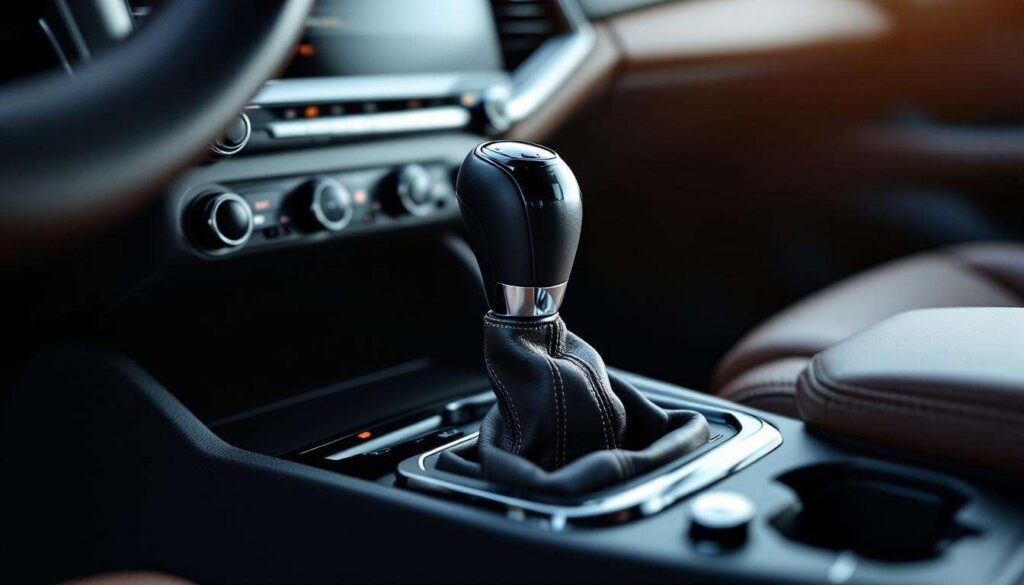
The appeal of a manual gearbox extends far beyond mere nostalgia. For driving purists, the ability to control gear selection creates an intimate connection between driver and vehicle that automatic transmissions simply cannot replicate. This tactile engagement transforms mundane journeys into opportunities for genuine driving pleasure, where every gear change becomes a deliberate, satisfying action.
The practical benefits of manual gearboxes
Beyond the emotional appeal, manual transmissions offer tangible advantages that resonate with practical-minded motorists:
- Lower initial purchase costs compared to automatic equivalents
- Reduced maintenance expenses over the vehicle’s lifetime
- Greater reliability with fewer complex components prone to failure
- Improved fuel efficiency in many driving scenarios
- Enhanced control in challenging conditions such as snow or steep inclines
The crossover conundrum
Crossovers occupy a unique position in the automotive market, combining the practicality of estate cars with the elevated driving position and rugged styling that consumers desire. However, manufacturers have largely relegated these vehicles to automatic-only configurations, assuming that buyers prioritise convenience over engagement. This assumption overlooks a significant segment of enthusiasts who would embrace a more involving driving experience without sacrificing the versatility that crossovers provide.
| Transmission Type | Average Maintenance Cost | Typical Lifespan |
|---|---|---|
| Manual | £800-£1,200 | 200,000+ miles |
| Automatic | £2,000-£4,000 | 150,000 miles |
The financial and experiential case for manual crossovers remains compelling, particularly as certain models already possess the mechanical foundations to deliver exceptional driving dynamics.
The timeless charm of the Mazda CX-30
A driver-focused philosophy
Mazda has long championed the principle of Jinba Ittai, the harmonious connection between horse and rider, applied to automotive design. The CX-30 exemplifies this philosophy with its beautifully balanced chassis, responsive steering, and engaging road manners. Whilst the current automatic transmission performs admirably, a manual gearbox would elevate this crossover into truly special territory.
The mechanical foundation exists
The CX-30 shares its platform and powertrains with the Mazda3, which offers a manual transmission in certain markets. This mechanical compatibility demonstrates that engineering a manual option for the CX-30 would require minimal development investment. The existing 2.5-litre naturally aspirated engine produces sufficient torque to make gear changes rewarding rather than laborious.
Design and dynamics in harmony
Few crossovers can match the CX-30’s aesthetic sophistication and driving refinement. The cabin features high-quality materials and an intuitive layout that prioritises the driver. Adding a manual gearbox would complete this driver-centric approach, transforming school runs and motorway journeys into opportunities for genuine enjoyment. The CX-30’s compact dimensions and agile handling characteristics make it ideally suited to manual transmission, where precise control enhances the overall experience.
Whilst Mazda continues to resist offering a manual CX-30 in most markets, the enthusiasm from driving communities suggests untapped potential for this compelling crossover.
Ford Bronco: a return to basics with a manual gearbox
Heritage meets modern capability
The Ford Bronco represents a triumphant return to the brand’s off-road roots, and Ford deserves recognition for offering a manual transmission option. This seven-speed manual gearbox, available on certain Bronco variants, acknowledges that serious off-road enthusiasts value precise control over automated convenience when navigating challenging terrain.
Off-road advantages of manual control
In demanding off-road situations, manual transmissions provide distinct benefits:
- Direct control over gear selection for rock crawling
- Ability to hold specific gears without automatic intervention
- Reduced complexity means fewer potential failure points in remote locations
- Engine braking control on steep descents
- Lower centre of gravity compared to some automatic transmission designs
The enthusiast appeal
The Bronco’s manual option has generated considerable excitement among enthusiasts who appreciate Ford’s commitment to authentic driving experiences. This transmission choice transforms the Bronco from merely capable to genuinely engaging, whether tackling mountain trails or navigating urban environments. The manual gearbox reinforces the Bronco’s identity as a vehicle for those who prioritise adventure and involvement over passive transportation.
Ford’s willingness to offer this choice demonstrates that manual crossovers can succeed commercially when aligned with the right vehicle character and target audience.
Subaru Forester: robustness and driving pleasure
A legacy of manual transmissions
Subaru built its reputation on all-wheel-drive capability and engaging driving dynamics, with manual gearboxes featuring prominently across its range. The Forester, whilst now exclusively automatic in most markets, would benefit enormously from reintroducing a manual option that reconnects with the brand’s heritage.
The symmetrical all-wheel-drive advantage
Subaru’s symmetrical all-wheel-drive system, when paired with a manual transmission, delivers exceptional driver confidence in varied conditions. The combination allows drivers to anticipate and respond to changing grip levels with precision that automatic systems, despite their sophistication, cannot fully replicate. This would make a manual Forester particularly appealing to those who regularly encounter challenging weather or unpaved roads.
Practical versatility meets driving engagement
The Forester excels as a family vehicle, offering generous interior space, excellent visibility, and proven reliability. Adding a manual gearbox option would not diminish these practical attributes whilst significantly enhancing the driving experience for enthusiasts. The Forester’s modest dimensions and manageable weight make it ideally suited to manual transmission, avoiding the sluggishness that can afflict larger crossovers.
| Forester Generation | Manual Availability | Engine Options |
|---|---|---|
| First (1997-2002) | Standard | 2.0L, 2.5L |
| Second (2002-2008) | Available | 2.0L, 2.5L turbo |
| Current (2018-present) | Not offered | 2.5L mild hybrid |
The discontinuation of manual Foresters represents a missed opportunity to differentiate the model in an increasingly homogeneous crossover segment.
Volkswagen Tiguan: an option that would appeal to purists
European driving traditions
Volkswagen’s heritage includes decades of offering manual transmissions across its range, reflecting European preferences for driver involvement. The Tiguan, as one of the brand’s best-selling models globally, would benefit from a manual option that appeals to enthusiasts who value the Volkswagen driving experience without requiring a performance-oriented model.
The case for a manual Tiguan
The Tiguan’s platform, shared with the Golf, already supports manual transmissions in other applications. Offering this choice in the Tiguan would require minimal engineering investment whilst potentially attracting buyers who currently overlook the model due to transmission limitations. The Tiguan’s refined road manners and composed handling would translate beautifully to manual transmission control.
Market differentiation potential
In a segment dominated by automatic transmissions, a manual Tiguan would stand out as a distinctive choice for discerning buyers. This differentiation could prove particularly valuable in markets where manual transmissions retain significant popularity, such as parts of Europe. The combination of Volkswagen’s build quality, the Tiguan’s practicality, and the engagement of a manual gearbox would create a compelling proposition.
As manufacturers seek ways to distinguish their crossover offerings in a crowded marketplace, reintroducing manual options represents an underexplored strategy.
Towards a revival of manual gearbox crossovers
Changing market dynamics
Whilst overall manual transmission sales continue declining, a dedicated enthusiast market persists. Manufacturers who acknowledge this segment with appropriate offerings often generate disproportionate goodwill and brand loyalty. The success of manual-equipped sports cars and hot hatches demonstrates that demand exists when products align with enthusiast values.
The environmental consideration
Modern automatic transmissions often deliver superior fuel efficiency compared to manuals, yet this gap has narrowed considerably. In certain driving scenarios, particularly those involving varied terrain or enthusiastic driving, manual gearboxes can still match or exceed automatic efficiency. As manufacturers face increasing pressure to reduce emissions, retaining simple, lightweight manual options represents a viable strategy.
Potential candidates for manual revival
Beyond the models discussed, several other crossovers possess the characteristics that would suit manual transmissions:
- Honda CR-V with its engaging chassis dynamics
- Toyota RAV4 in performance-oriented trims
- Hyundai Kona N for maximum driving engagement
- Jeep Compass Trailhawk for off-road authenticity
The infrastructure and expertise to produce manual crossovers remain within manufacturers’ capabilities, requiring primarily the commercial will to offer these options.
The decline of manual transmissions need not represent an irreversible trend. Crossovers, with their blend of practicality and versatility, represent ideal candidates for manual gearbox options that would satisfy enthusiasts without compromising family-friendly functionality. Models such as the Mazda CX-30, Ford Bronco, Subaru Forester, and Volkswagen Tiguan demonstrate that the mechanical foundations exist to deliver engaging, practical vehicles that reconnect drivers with the joy of changing gears. As the automotive industry navigates electrification and automation, preserving choice for those who value driving engagement remains important. Manual crossovers deserve consideration not as nostalgic relics, but as legitimate options for drivers who refuse to surrender control and involvement in their daily journeys.