

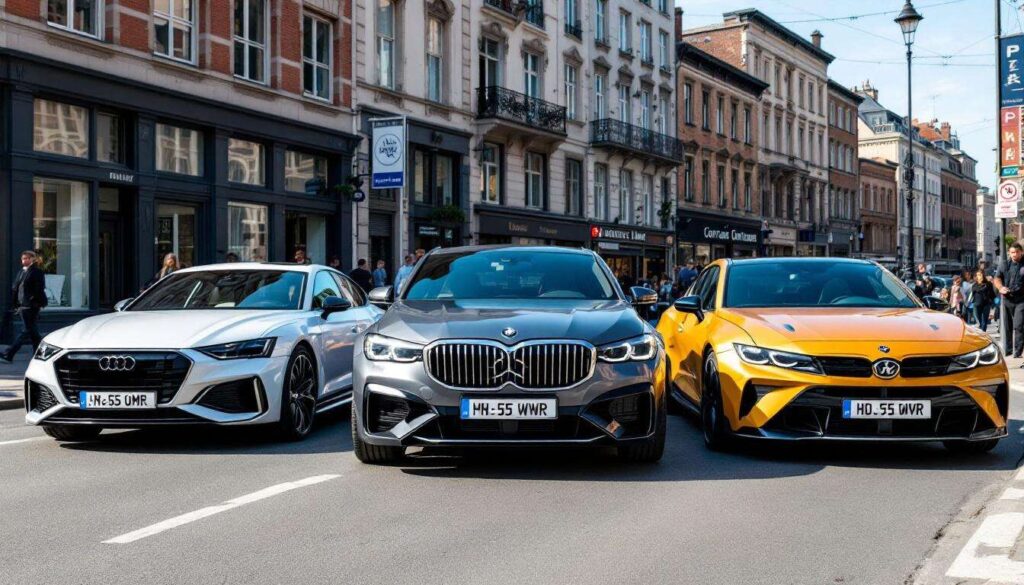
The European automotive landscape continues to evolve at a remarkable pace, with manufacturers responding to shifting consumer demands and technological advancements. Three of the continent’s most popular vehicles have recently undergone significant updates, demonstrating the industry’s commitment to maintaining relevance in an increasingly competitive marketplace. These transformations reflect broader trends affecting how Europeans choose their vehicles, from affordability concerns to environmental considerations.
Notable refresh for the Dacia Sandero
The Dacia Sandero has maintained its position as Europe’s best-selling car for the second consecutive year, achieving this status through a combination of affordability and practicality. The model’s recent refresh has introduced subtle yet meaningful improvements that enhance its appeal without compromising the value proposition that has made it so successful.
Design and feature enhancements
The updated Sandero incorporates refined exterior styling elements that modernise its appearance whilst retaining the straightforward design philosophy that resonates with budget-conscious buyers. Interior improvements focus on enhanced materials and updated technology features, including:
- Upgraded infotainment systems with improved connectivity options
- Enhanced safety features meeting current European standards
- Improved cabin materials for a more premium feel
- Refined ergonomics for better driver and passenger comfort
Market performance and sales figures
Throughout the previous year, European new car sales reached 13,271,270 units, representing a 2.4% increase from the prior period. The Sandero’s contribution to this growth demonstrates its continued relevance, with the model appealing to first-time buyers and families seeking economical transportation solutions.
| Metric | Figure |
|---|---|
| Total European sales | 13,271,270 units |
| Year-on-year growth | 2.4% |
| Additional units sold | 400,000 |
The Sandero’s success story provides context for understanding how other manufacturers approach their own model updates, particularly those competing in similar market segments.
Anticipated renewal for the Renault Clio
The Renault Clio has reclaimed its position amongst Europe’s top-selling vehicles through a strategic combination of heritage appeal and modern innovation. The introduction of the sixth generation represents a significant milestone for this iconic nameplate.
Launch of the Clio VI generation
Entering the market in early 2026, the new generation Clio brings substantial updates across multiple dimensions. The redesign focuses on elevating the model’s technological capabilities whilst maintaining the distinctive character that has defined the Clio throughout its history. Key improvements include advanced driver assistance systems, updated powertrains, and a comprehensively redesigned interior featuring:
- Digital instrument cluster with customisable displays
- Enhanced multimedia interface with larger touchscreen
- Improved acoustic insulation for quieter cabin experience
- Revised suspension geometry for better handling dynamics
Sales trajectory and market position
Despite achieving only a 1.8% increase in yearly sales, the Clio demonstrated remarkable consistency, frequently capturing the best-selling position throughout various months. This performance reflects the model’s ability to compete effectively against both traditional rivals and emerging electric alternatives.
The Clio’s eco-friendly variants have positioned it favourably within the growing segment of environmentally conscious buyers, a demographic increasingly influential in shaping market trends. This strategic positioning connects directly to broader industry movements towards electrification and sustainability.
Major transformation of the Volkswagen Golf
The Volkswagen Golf represents one of Europe’s most enduring automotive success stories, and its latest transformation addresses contemporary market demands whilst honouring the model’s distinguished legacy.
Comprehensive updates and modernisation
The Golf’s recent makeover encompasses extensive revisions to both its physical design and underlying technology. Volkswagen has focused on addressing previous criticisms whilst introducing features that align with current consumer expectations. The transformation includes:
- Refined exterior styling with sharper lines and updated lighting signatures
- Completely overhauled interior with improved material quality
- Enhanced infotainment system with more intuitive user interface
- Expanded electrified powertrain options including plug-in hybrid variants
- Advanced connectivity features supporting over-the-air updates
Technological advancement and electrification
The Golf’s evolution reflects Volkswagen’s broader strategy of transitioning towards electrified mobility whilst maintaining appeal amongst traditional combustion engine enthusiasts. The availability of multiple powertrain options allows consumers to select configurations matching their specific requirements and environmental priorities.
These developments across three major models illustrate how manufacturers respond to market pressures, yet their success ultimately depends on how consumers receive these changes and whether they translate into sustained sales performance.
Impact of the new versions on the automotive market
The simultaneous introduction of these updated models creates significant ripples throughout the European automotive sector, influencing everything from pricing strategies to consumer expectations.
Shifts in consumer purchasing patterns
Recent data reveals dramatic changes in buyer preferences, particularly regarding powertrain choices. Battery electric vehicle sales increased by 29.7%, capturing a 19.5% market share. Conversely, petrol vehicle registrations in certain markets declined substantially, with some regions experiencing drops approaching 48.9%.
| Vehicle Type | Market Share Change |
|---|---|
| Battery electric vehicles | +29.7% |
| Market share (BEV) | 19.5% |
| Petrol vehicles (selected markets) | -48.9% |
Competitive dynamics and market positioning
The refreshed models intensify competition within their respective segments, forcing rival manufacturers to accelerate their own development programmes. This competitive pressure benefits consumers through improved features, better value propositions, and more diverse choice across all price points.
Understanding these market dynamics requires examining the underlying factors driving consumer decisions and how manufacturers position their products to address evolving preferences.
The influence of competition and consumer preferences
Consumer behaviour increasingly reflects concerns beyond simple transportation needs, incorporating environmental awareness, technological expectations, and value considerations into purchasing decisions.
Environmental considerations and regulatory pressures
European emissions regulations continue tightening, compelling manufacturers to offer cleaner alternatives whilst consumers demonstrate growing willingness to embrace electric mobility. The success of models offering electrified powertrains indicates this shift represents a fundamental change rather than temporary trend.
Value proposition and economic factors
Economic uncertainty influences buyer behaviour, with many consumers prioritising long-term value over initial purchase price. The Sandero’s success demonstrates continued demand for affordable transportation, whilst premium features in the Clio and Golf reflect willingness to invest in quality and technology when justified by tangible benefits.
These converging factors shape the trajectory of European automotive sales, pointing towards specific developments likely to characterise the market’s evolution.
Prospects for the future of European best-sellers
The automotive industry faces continued transformation as technological advancement accelerates and regulatory frameworks evolve. The three models discussed represent different approaches to addressing these challenges.
Electrification and sustainability imperatives
Future iterations will likely feature expanded electrified offerings, with manufacturers investing heavily in battery technology, charging infrastructure, and sustainable manufacturing processes. Consumer acceptance of electric vehicles continues growing, supported by improving range capabilities and expanding charging networks.
Technology integration and connectivity
Advanced driver assistance systems, connectivity features, and autonomous driving capabilities will increasingly differentiate models within competitive segments. Consumers expect seamless integration between vehicles and digital ecosystems, demanding sophisticated infotainment systems and over-the-air update capabilities.
The evolution of these best-selling models reflects broader industry trends whilst demonstrating that success requires balancing innovation with the fundamental attributes that have always defined popular vehicles: reliability, value, and fitness for purpose.
The concurrent transformation of three leading European models demonstrates the automotive industry’s dynamic nature and responsiveness to market forces. These updates reflect manufacturers’ understanding that sustained success requires continuous evolution addressing environmental concerns, technological expectations, and economic realities. The Sandero’s affordability focus, the Clio’s balanced approach, and the Golf’s comprehensive modernisation represent distinct strategies for maintaining relevance in an increasingly complex marketplace. As electrification accelerates and consumer preferences continue shifting, these models’ ability to adapt whilst retaining their core appeal will determine their continued prominence amongst European best-sellers.