

The automotive industry is experiencing a significant transformation in how drivers interact with their vehicles. For years, smartphone integration platforms have dominated dashboard displays, offering familiar interfaces and seamless connectivity. However, a growing number of manufacturers are now choosing to abandon these third-party systems, opting instead to develop their own solutions. This strategic pivot raises important questions about the future of in-car technology and the relationship between automotive companies and their customers.
The rise of proprietary infotainment systems
A shift towards manufacturer-controlled platforms
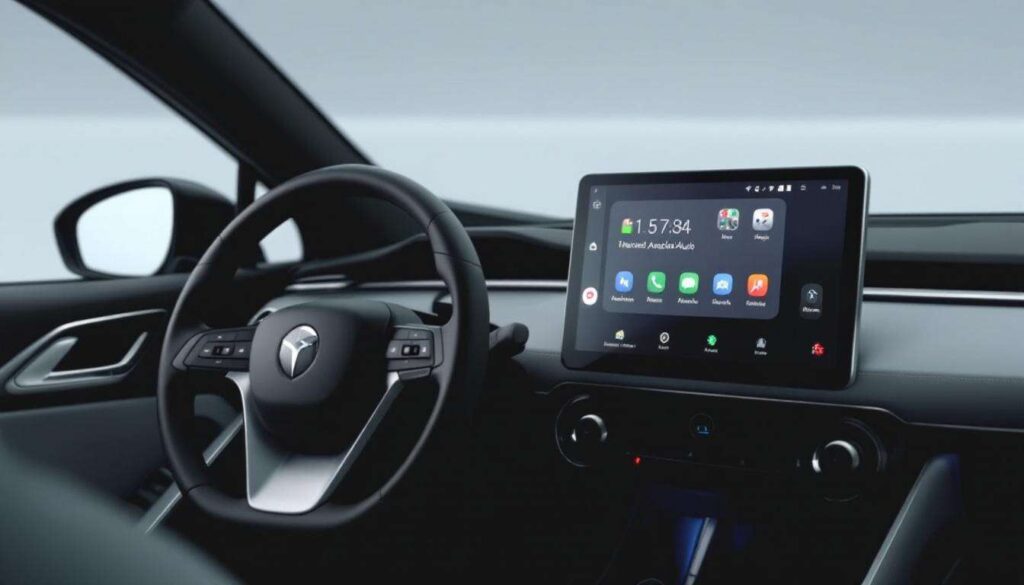
Car manufacturers are increasingly investing in bespoke infotainment solutions that replace traditional smartphone projection systems. This movement represents a fundamental change in how vehicles deliver digital experiences to drivers and passengers. Companies are building sophisticated platforms that integrate directly with vehicle hardware, offering deeper functionality than third-party alternatives can provide.
The development of these proprietary systems involves substantial investment in software engineering and user interface design. Manufacturers are creating dedicated teams to build platforms that can compete with established technology companies. These systems are designed to:
- Integrate seamlessly with vehicle-specific features such as climate control and driver assistance systems
- Provide consistent experiences across different models within a brand
- Enable over-the-air updates without relying on external platforms
- Offer customisation options tailored to individual vehicle capabilities
Examples from the automotive sector
Several prominent manufacturers have already begun implementing their own systems. Electric vehicle producers have led this charge, with some never offering smartphone integration from the outset. Traditional manufacturers are now following suit, with major announcements about phasing out support for external platforms in favour of internally developed alternatives. These companies view proprietary systems as essential components of their long-term digital strategies.
This technological evolution naturally leads to questions about what drives manufacturers to make such significant changes to their product offerings.
The strategy of car manufacturers
Data ownership and monetisation opportunities
One of the most compelling reasons for abandoning third-party systems centres on data control. When drivers use smartphone projection platforms, information about their habits, preferences, and behaviours flows to technology companies rather than vehicle manufacturers. By implementing proprietary systems, automotive companies can:
- Collect comprehensive data about driving patterns and vehicle usage
- Analyse consumer preferences for future product development
- Create targeted marketing opportunities based on user behaviour
- Develop subscription-based services tailored to individual needs
This data ownership represents significant potential revenue streams beyond traditional vehicle sales. Manufacturers can offer premium features, entertainment packages, and enhanced navigation services through subscription models, creating ongoing relationships with customers long after the initial purchase.
Creating integrated ecosystems
Beyond data considerations, manufacturers aim to build cohesive digital ecosystems that encompass all aspects of vehicle ownership. Proprietary platforms allow companies to integrate infotainment with other services such as maintenance scheduling, charging infrastructure for electric vehicles, and connected home systems. This holistic approach strengthens brand loyalty and differentiates products in an increasingly competitive marketplace.
| Strategic benefit | Impact on manufacturer |
|---|---|
| Direct customer relationship | Enhanced brand engagement and loyalty |
| Subscription revenue | Recurring income streams |
| Data analytics | Improved product development insights |
| System integration | Seamless user experience across features |
These strategic considerations inevitably affect how drivers interact with their vehicles on a daily basis.
Impacts on user experience
The learning curve challenge
Transitioning from familiar smartphone interfaces to manufacturer-specific systems presents significant challenges for users. Drivers accustomed to consistent experiences across different vehicles may find themselves navigating unfamiliar interfaces when switching brands or upgrading models. This learning curve can create frustration, particularly for those who value the seamless integration that smartphone platforms provide.
Proprietary systems may also lack the regular updates and improvements that technology companies deliver to their platforms. Whilst manufacturers promise over-the-air updates, the pace of innovation may not match that of dedicated software companies with larger development resources.
Potential advantages for drivers
Despite these challenges, manufacturer-developed systems offer certain benefits that third-party platforms cannot match. These include:
- Deeper integration with vehicle-specific features such as energy management in electric vehicles
- Customised interfaces designed specifically for each model’s display configuration
- Optimised performance without relying on smartphone processing power
- Unified control of all vehicle systems through a single interface
For some users, particularly those who prioritise vehicle-specific functionality over smartphone app compatibility, these advantages may outweigh the convenience of familiar third-party platforms. The reception to these changes among consumers reveals much about their priorities and expectations.
Consumer reactions to changes
Resistance from established users
Many drivers have expressed strong opposition to the removal of smartphone integration options. For users who rely on specific applications for navigation, messaging, and entertainment, losing access to these familiar tools represents a significant downgrade. The convenience of maintaining consistent interfaces across different vehicles and personal devices holds considerable value for many consumers.
Online forums and automotive publications have featured numerous discussions about this trend, with many commentators questioning whether manufacturers truly understand customer preferences. Some potential buyers have indicated that the absence of smartphone integration could influence their purchasing decisions, favouring brands that continue to support these platforms.
Acceptance among early adopters
Conversely, some consumers welcome manufacturer-developed systems, particularly those who appreciate tightly integrated experiences. Early adopters of electric vehicles from brands that never offered smartphone projection have generally adapted well to proprietary interfaces, suggesting that quality implementation can overcome initial resistance.
The success of these transitions often depends on how effectively manufacturers communicate the benefits of their systems and ensure that essential functionality remains accessible. As technology continues to evolve, new innovations are reshaping what becomes possible within vehicles.
The role of emerging technologies in automobiles
Artificial intelligence integration
Proprietary infotainment systems enable manufacturers to implement advanced artificial intelligence features tailored specifically to their vehicles. These capabilities can include predictive maintenance alerts, personalised driving recommendations, and intelligent route planning that considers vehicle-specific factors such as battery range or fuel efficiency. Technology companies developing smartphone platforms cannot access the depth of vehicle data necessary to provide these specialised functions.
Autonomous driving preparation
As the automotive industry moves towards increased automation, integrated systems become increasingly important. Manufacturers developing autonomous driving capabilities require seamless communication between infotainment platforms and vehicle control systems. Proprietary solutions facilitate this integration more effectively than third-party platforms designed primarily for smartphone projection.
These technological considerations point towards broader trends that will shape the automotive landscape in coming years.
Analysis and future outlook
Industry-wide implications
The movement away from smartphone integration platforms represents a fundamental realignment of power within the automotive technology ecosystem. Manufacturers are asserting greater control over the digital experiences within their vehicles, challenging the dominance of technology companies in this space. This shift may accelerate as more companies recognise the strategic value of proprietary systems.
However, the transition will likely occur gradually, with different manufacturers adopting varying timelines based on their development capabilities and market positioning. Some brands may continue offering smartphone integration alongside proprietary systems, allowing consumers to choose their preferred approach.
Potential market dynamics
The success of this strategy depends heavily on execution quality. Manufacturers that deliver superior user experiences through their proprietary systems may justify the departure from familiar platforms. Those that fail to match the functionality and ease of use that smartphone integration provides risk alienating customers and losing market share to competitors who maintain support for these systems.
Consumer acceptance will ultimately determine whether this trend continues or reverses. If significant numbers of buyers reject vehicles without smartphone integration, manufacturers may reconsider their strategies. Conversely, successful implementation could establish a new standard for automotive infotainment.
The automotive industry stands at a crossroads regarding in-car technology. Manufacturers are pursuing proprietary infotainment systems to gain control over user data, create new revenue opportunities through subscriptions, and build integrated digital ecosystems. Whilst these systems offer potential advantages such as deeper vehicle integration and customised experiences, they also present challenges including unfamiliar interfaces and potential limitations compared to established smartphone platforms. Consumer reactions remain mixed, with some drivers resisting the change whilst others embrace manufacturer-developed solutions. As emerging technologies like artificial intelligence and autonomous driving become more prevalent, integrated systems may become increasingly important. The coming years will reveal whether this strategic shift succeeds in delivering superior experiences that justify abandoning the convenience and familiarity of smartphone integration platforms.