



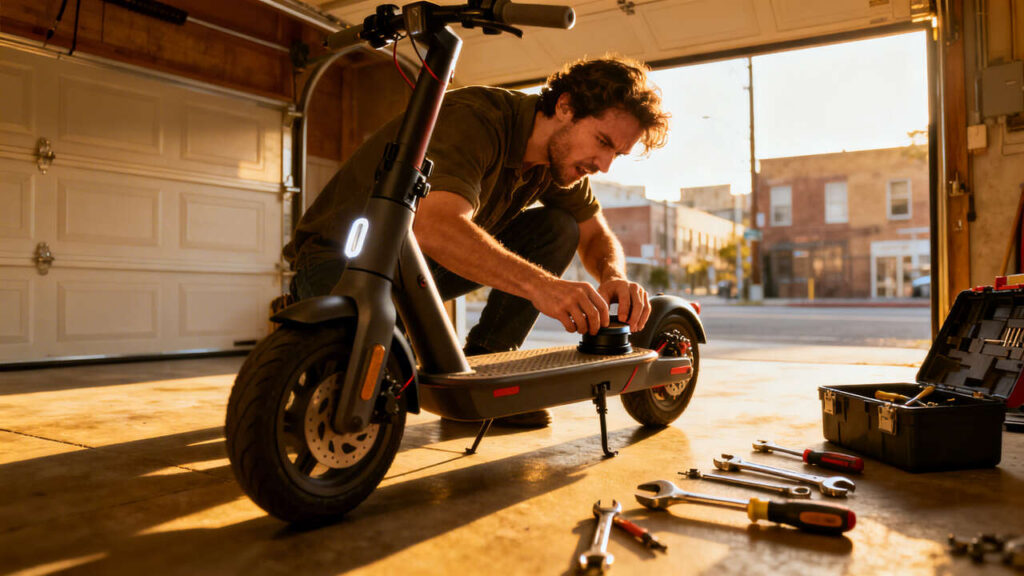
Electric bikes and scooters have transformed urban mobility, offering convenient alternatives to traditional transport. However, a growing underground practice threatens to undermine the safety and legality of these vehicles: uncapping. This modification removes the manufacturer-imposed speed limiters, allowing riders to exceed legal velocity thresholds. What begins as a seemingly harmless tweak can spiral into serious consequences, affecting not only the rider but also pedestrians, other road users, and the broader regulatory framework designed to keep our streets safe.
Understanding the uncapping of e-bikes and electric scooters
What is uncapping ?
Uncapping refers to the deliberate removal or modification of the electronic speed limiter installed by manufacturers on electric bikes and scooters. These devices are legally restricted to 15.5 mph (25 km/h) in the UK for e-bikes and electric scooters used in trial schemes. The process involves either software modifications through reprogramming the vehicle’s controller or hardware alterations such as installing aftermarket components that bypass the original restrictions.
Methods used for uncapping
Riders employ various techniques to uncap their vehicles:
- Installing third-party firmware that overrides factory settings
- Fitting physical devices known as “dongles” that trick speed sensors
- Replacing the motor controller with unrestricted alternatives
- Adjusting wheel size parameters in the vehicle’s software
- Removing physical limiters or magnets that regulate speed detection
These modifications are readily accessible through online forums, social media groups, and specialist retailers who market them as performance enhancements. The ease of access has contributed to the proliferation of this practice, particularly among younger riders seeking thrills or those frustrated by what they perceive as overly restrictive regulations.
Understanding the technical aspects of uncapping sets the stage for examining why riders choose to engage in this risky behaviour despite clear legal prohibitions.
The motivations behind this illegal practice
Speed and performance desires
The primary driver behind uncapping is the pursuit of greater speed and acceleration. Many riders find the legal speed limit insufficient for their commuting needs, particularly when travelling longer distances or attempting to keep pace with traffic flow. The allure of reaching speeds of 30 mph or higher proves irresistible to some users who view the modification as a way to maximise their vehicle’s potential.
Economic considerations
Financial factors also play a role in the decision to uncap. Some riders justify the modification by arguing that:
- They paid premium prices for their vehicles and want full performance capability
- Faster speeds reduce journey times, improving productivity
- Enhanced performance eliminates the perceived need to purchase more expensive alternatives
- The modification costs are relatively low compared to buying a legally compliant faster vehicle
Social influences and peer pressure
The social dimension cannot be overlooked. Online communities actively promote uncapping, sharing tutorials and celebrating modified vehicles. This normalisation creates an environment where the practice appears acceptable, with riders experiencing peer pressure to enhance their machines to match others in their social circles. The competitive element, particularly among younger demographics, fuels the desire to own the fastest vehicle in their group.
These motivations, while understandable from a user perspective, fail to account for the substantial dangers that accompany such modifications.
The safety risks for users
Mechanical and structural failures
E-bikes and scooters are engineered with specific speed limits in mind. When uncapped, the increased speeds place excessive stress on components never designed to withstand such forces. Critical safety issues include:
- Brake systems inadequate for higher speeds, leading to extended stopping distances
- Frame and fork failures due to increased mechanical stress
- Tyre blowouts from speeds exceeding their rated capacity
- Battery overheating and potential fire risks from excessive power draw
- Steering instability at velocities beyond design parameters
Increased accident severity
The correlation between speed and injury severity is well-documented. Physics dictates that kinetic energy increases exponentially with velocity, meaning that crashes at 30 mph result in dramatically more severe injuries than those at 15.5 mph. Riders on uncapped vehicles face heightened risks of:
| Speed | Stopping distance | Impact force multiplier |
|---|---|---|
| 15.5 mph (legal) | Approximately 6 metres | 1x baseline |
| 25 mph | Approximately 15 metres | 2.6x baseline |
| 30 mph | Approximately 23 metres | 3.7x baseline |
Compromised protective equipment
Standard helmets and protective gear worn by e-bike and scooter users are typically rated for impacts at lower speeds. At velocities achieved through uncapping, this equipment may provide insufficient protection, leaving riders vulnerable to catastrophic head injuries, fractures, and internal trauma. The false sense of security provided by wearing inadequate protective gear compounds the danger.
Beyond the immediate physical dangers to riders themselves, uncapping carries significant legal ramifications that many fail to consider before making modifications.
Legal consequences of uncapping
Classification changes and licensing requirements
Under UK law, an uncapped e-bike or scooter capable of exceeding 15.5 mph is reclassified as a motor vehicle. This reclassification triggers numerous legal requirements that most riders cannot fulfil, including:
- Registration with the DVLA
- Valid motor insurance
- Road tax payment
- MOT certification for vehicles over certain ages
- Appropriate driving licence for the vehicle category
- Compliant number plates
Riding an uncapped vehicle without meeting these requirements constitutes multiple offences simultaneously, each carrying separate penalties.
Criminal penalties and fines
Individuals caught riding uncapped vehicles face substantial consequences. Potential penalties include:
| Offence | Potential penalty |
|---|---|
| No insurance | £300 fine + 6 penalty points |
| No registration | Up to £1,000 fine |
| No driving licence | £1,000 fine + 3-6 penalty points |
| Dangerous driving | Up to 2 years imprisonment |
Insurance and liability implications
Perhaps most seriously, riders of uncapped vehicles operate with no valid insurance coverage. If involved in an accident causing injury or property damage, they become personally liable for all costs, which can reach hundreds of thousands of pounds in serious cases. This financial exposure can result in bankruptcy and lifelong debt. Additionally, any existing insurance policies may be voided if the vehicle has been modified, leaving riders completely unprotected.
The legal framework exists not merely to punish offenders but to address broader concerns about how these modifications affect our shared environment and infrastructure.
Environmental impacts of uncapping
Increased energy consumption
Uncapped vehicles consume significantly more electricity than their legally compliant counterparts. Higher speeds demand greater power output, draining batteries faster and requiring more frequent charging. This increased energy demand undermines one of the primary environmental benefits of electric mobility: reduced carbon footprint. When multiplied across thousands of modified vehicles, the cumulative effect negates substantial portions of the environmental gains these technologies promise.
Accelerated component degradation
The excessive stress placed on uncapped vehicles leads to premature wear and failure of components. This results in:
- More frequent replacement of batteries, motors, and structural parts
- Increased manufacturing demand for spare components
- Greater volumes of electronic waste requiring disposal
- Higher consumption of raw materials, including rare earth elements
- Shortened overall vehicle lifespan, contradicting sustainability principles
Negative perception affecting adoption
Uncapping creates public safety concerns that damage the reputation of electric micromobility as a whole. High-profile accidents involving modified vehicles generate negative media coverage, potentially discouraging adoption by safety-conscious individuals and prompting calls for more restrictive regulations. This reputational damage threatens the broader environmental mission of transitioning away from fossil fuel-dependent transport, as public trust erodes and regulatory bodies impose stricter controls that may stifle innovation.
Recognising these multifaceted impacts, authorities have established comprehensive regulatory frameworks designed to deter uncapping and protect public interests.
Current regulations and penalties
UK legal framework
The UK’s approach to e-bikes and scooters is governed by multiple pieces of legislation. The Electrically Assisted Pedal Cycles Regulations 1983 define legal e-bikes as having motors not exceeding 250 watts and assistance cutting out at 15.5 mph. Electric scooters remain illegal on public roads except within government-approved rental trial schemes. Any modification that alters these specifications renders the vehicle non-compliant and subject to motor vehicle legislation.
Enforcement measures
Police forces across the UK have intensified efforts to identify and penalise uncapped vehicles through:
- Roadside spot checks using speed detection equipment
- Targeted operations in areas with high e-bike and scooter usage
- Collaboration with trading standards to identify retailers selling uncapping devices
- Social media monitoring to identify individuals promoting illegal modifications
- Vehicle seizures and destruction of non-compliant machines
Retailer and manufacturer responsibilities
The regulatory framework extends beyond individual riders to encompass those who facilitate uncapping. Retailers selling devices explicitly marketed for removing speed limiters face prosecution under consumer protection and road traffic legislation. Manufacturers increasingly implement tamper-detection systems that void warranties if modifications are detected, creating additional financial disincentives. Some jurisdictions are exploring legislation that would hold sellers partially liable for accidents involving vehicles they modified or equipped with uncapping devices.
The combination of legal restrictions, enforcement activities, and industry cooperation reflects a comprehensive approach to addressing this problem. However, success ultimately depends on public awareness and voluntary compliance. Riders must recognise that the temporary thrill of increased speed carries disproportionate risks: catastrophic injuries, criminal records, financial ruin, and environmental harm. The regulations exist not to limit freedom but to protect individuals and communities from preventable tragedies. As enforcement intensifies and penalties increase, the cost-benefit calculus of uncapping becomes increasingly unfavourable, making compliance not merely a legal obligation but a rational choice for anyone valuing their safety, finances, and freedom.